

Swiss vs. Japanese Watch Movements: Which Is Better for You?
Swiss vs. Japanese Watch Movements Explained
Swiss and Japanese watch movements represent two major traditions in modern watchmaking, with different approaches to manufacturing, craftsmanship, innovation, and cost. Both can offer reliable and accurate performance across quartz and mechanical watches. Swiss Made watches have a long association with traditional watchmaking and luxury horology, while Japanese watchmaking spans everything from accessible everyday movements to advanced mechanical and quartz technology. In this guide, we compare Swiss vs. Japanese watch movements across accuracy, reliability, craftsmanship, maintenance, and cost to help you understand their key differences and choose the right movement for you.
What You'll Learn
- What Makes a Swiss Movement Watch Special
- Why Japanese Watch Movements Are So Popular
- Swiss vs. Japanese Watch Accuracy: Which Is Better
- Watch Durability & Service Life: What to Expect
- Movement Craftsmanship & Aesthetic Differences
- Maintenance & Reliability: Swiss vs. Japanese Watches
- Which Watch Movement Is Right for You
- Celebrating Swiss Artistry with VIEREN
- Swiss vs. Japanese Movements FAQ

1. What Makes a Swiss Movement Watch Special?
Swiss movements are renowned for luxury, precision, and craftsmanship. |
With origins dating back to the 16th century, Swiss watchmaking has defined the global standard for high-end horology. From pioneering mechanical movements to establishing meticulous quality control, Swiss brands have shaped the industry with innovation and tradition. Whether you're a first-time buyer or seasoned collector, choosing a Swiss movement watch means investing in timeless engineering and enduring value.
Today, a Swiss movement represents more than accuracy, it symbolizes heritage, prestige, and attention to detail. Brands like Rolex, Patek Philippe, and Omega continue to set benchmarks in quality and collectibility, while modern independents like VIEREN honour this legacy with Swiss Made excellence and contemporary design.

2. Why Japanese Watch Movements Are So Popular?
Japanese movements represent reliability, efficiency, and affordability. |
Since the late 19th century, Japanese watchmaking has combined innovation with mass-market accessibility, redefining how the world views timekeeping. In the 1960s, Japan disrupted the industry with the introduction of quartz movement technology, offering highly accurate and affordable alternatives to traditional mechanical watches.
With a focus on precision, durability, and value, Japanese movement watches appeal to practical collectors and everyday wearers alike, delivering innovation without compromising on quality. Brands like Seiko, Citizen, and Casio became global leaders, known for pushing boundaries in both quartz and automatic watchmaking, producing some of the best value-driven timepieces available.

3. Swiss vs. Japanese Watch Accuracy: Which Is Better
When comparing Swiss and Japanese watch accuracy, the movement type and specific calibre matter more than country of origin alone. Quartz movements from both Switzerland and Japan can offer highly accurate timekeeping, while mechanical accuracy varies by movement design, regulation, specifications, and manufacturer.
-
Swiss Movements: Swiss manufacturers produce movements across a wide range of price points and specifications, from mass-produced calibres to highly finished luxury movements. Companies such as ETA have supplied mechanical movements to many Swiss watch brands.
- Japanese Movements: Japanese manufacturers such as Miyota and Seiko also produce movements across a broad range, from accessible automatic and quartz calibres to sophisticated high-end movements. Performance and accuracy depend on the individual movement rather than whether it is Swiss or Japanese.
Discover more about Swiss watchmaking in our article: Why Swiss Watch Movements Are the Best in the World.

4. Watch Durability & Service Life: What to Expect
Both Swiss and Japanese movements can provide long service lives when properly maintained. Durability, maintenance requirements, and servicing costs depend on the specific movement, construction, parts availability, use, and manufacturer. Some movements are designed for straightforward servicing, while more complex or specialized calibres may require trained watchmakers and manufacturer-specific parts.
Learn more about watch servicing in our article: How Often Should You Service A Swiss Automatic Watch.

5. Movement Craftsmanship & Aesthetic Differences
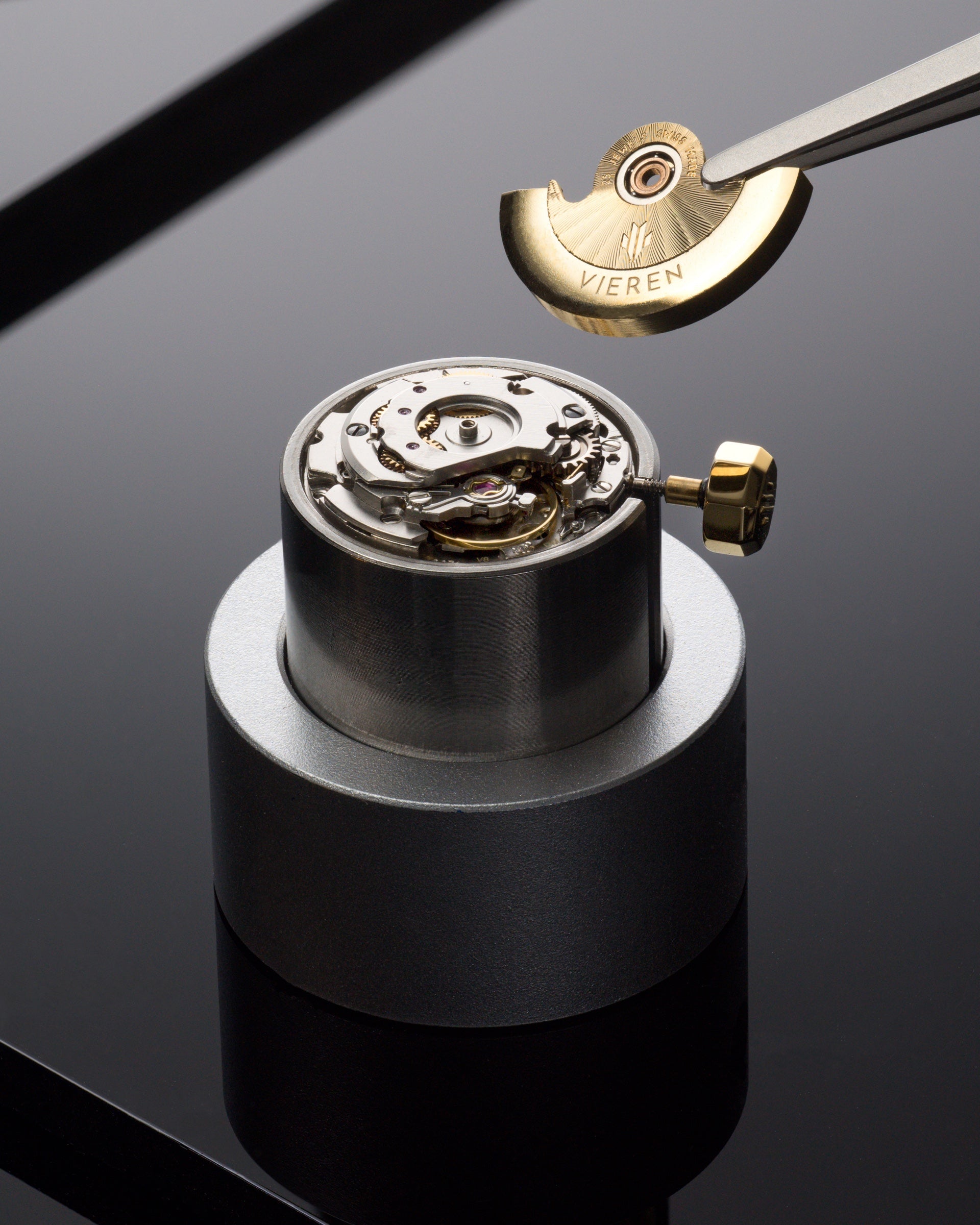
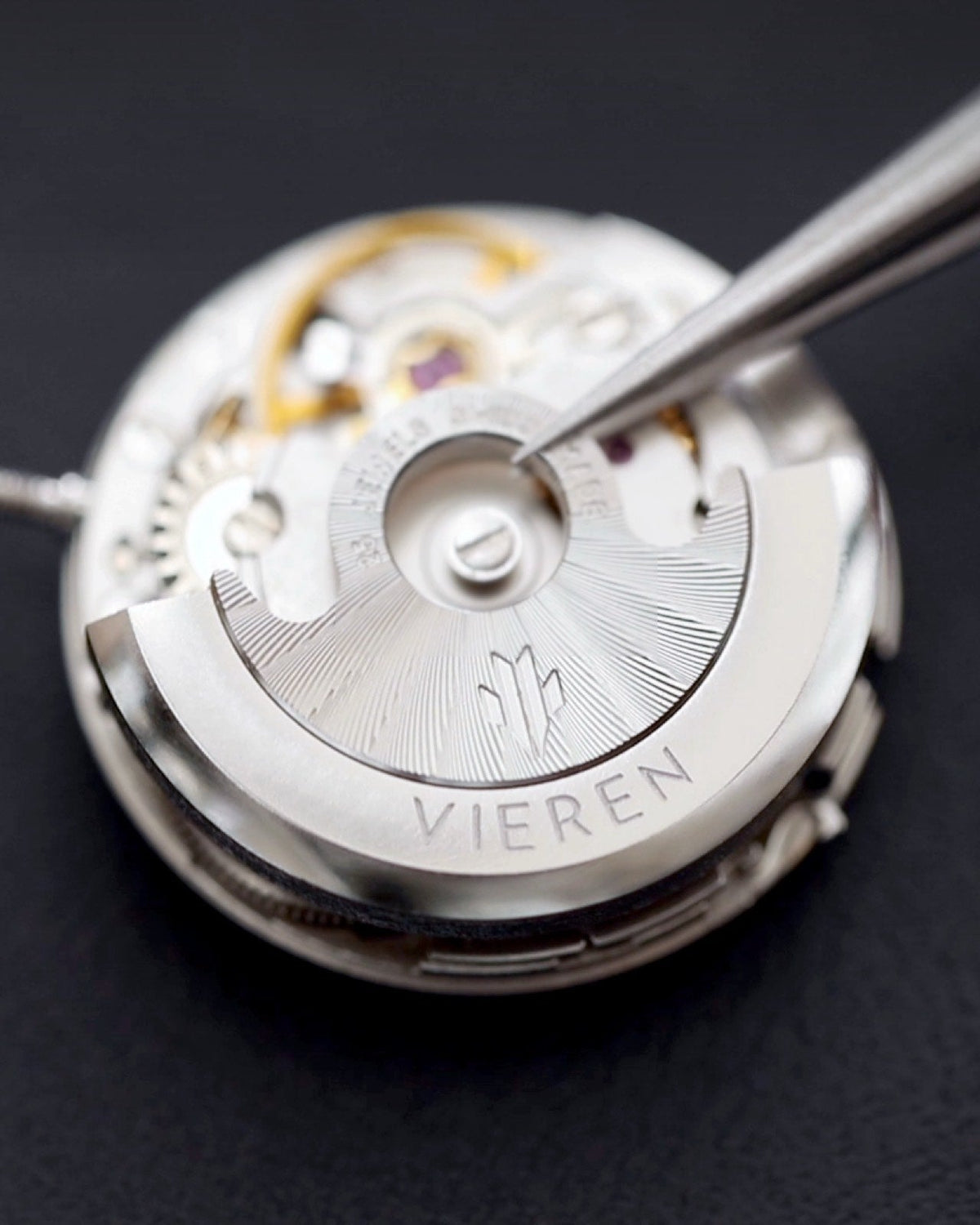
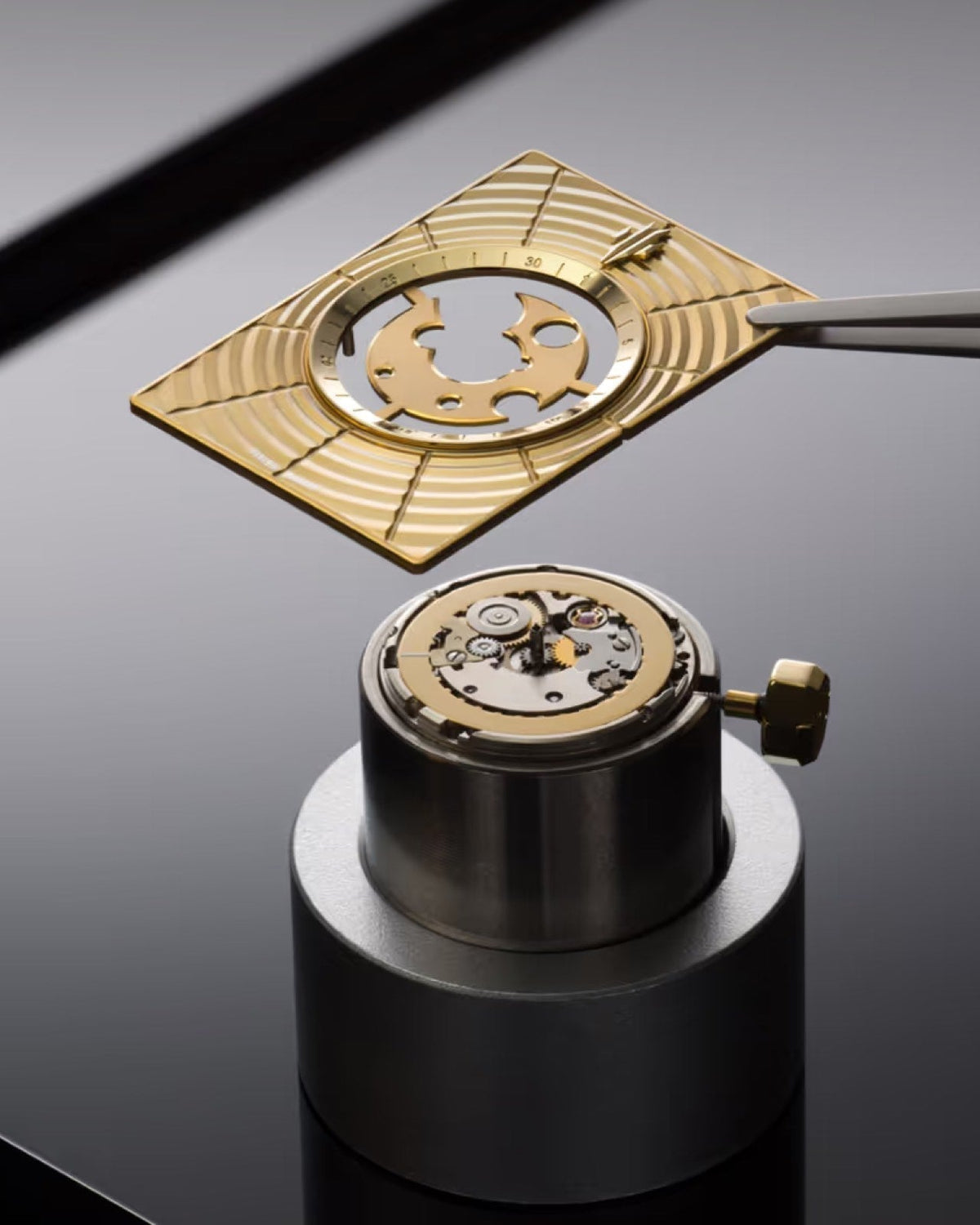
Swiss movements are celebrated for intricate decorative finishing, like Côtes de Genève and perlage, which enhance both visual appeal and artisanal quality. The ETA 2671 automatic movement in the VIEREN Gold Waves watch showcases a finely decorated gold-tone rotor as an example of this craftsmanship. These details elevate both visual appeal and artisanal quality.
Japanese movements range from practical, mass-produced calibres to highly finished luxury movements. Brands such as Grand Seiko demonstrate that Japanese watchmaking can also emphasize intricate finishing, craftsmanship, and advanced movement technology. As with Swiss movements, the level of decoration and finishing varies considerably by manufacturer and calibre.

6. Maintenance & Reliability: Swiss vs. Japanese Watches
Maintenance requirements for Swiss movements vary considerably by calibre and manufacturer. Widely used movements may have established servicing networks and parts availability, while specialized or proprietary luxury movements can require manufacturer-authorized service and more costly maintenance.
Japanese movements also vary in their servicing requirements. Many widely produced Japanese calibres are designed for dependable everyday use and can be relatively straightforward to maintain, while more sophisticated movements may require specialized servicing. For either origin, maintenance cost and availability depend more on the individual movement and watch than nationality alone.
Discover top 10 essential tips for longevity in our article: How To Care For Your Swiss Automatic Watch.

7. Which Watch Movement Is Right for You?
Choosing between Swiss and Japanese watch movements depends on your lifestyle, budget, and preferences. From everyday wear to luxury heirlooms, each offers distinct advantages in craftsmanship, precision, and value. Understanding how these movements perform across different watch categories helps you select the right timepiece for your needs.
-
Everyday Wear: Japanese and Swiss watches both offer dependable daily performance. Japanese models typically provide greater value, while Swiss options often feature higher-end finishing and mechanical refinement, including the Tissot PRX, VIEREN Matte White, and Seiko 5 Sports.
-
Heirlooms: Swiss watches like Patek Philippe Calatrava, Rolex Datejust, and Omega Seamaster are leaders in luxury, heritage, and value retention. The Japanese Grand Seiko Snowflake also appeals to collectors with fine craftsmanship.
-
Sports/Dive Watches: Swiss models such as TAG Heuer Aquaracer and Breitling Superocean offer precision and performance, while Japanese watches like Citizen Promaster Diver and Seiko Prospex Turtle excel in durability and value.
-
Dress Watches: Swiss movements symbolize class and prestige with brands like VIEREN Gold Stereo Diamond and Jaeger-LeCoultre Reverso, offering refined automatic movements and distinctive designs. Japanese brands such as Grand Seiko Elegance Collection also produce elegant, meticulously finished dress watches.
-
Entry-Level Options: Japanese watches such as the Orient Bambino and Seiko Presage Cocktail Time provide affordable entry points to mechanical watches, with Swiss options like the Hamilton Khaki Field offering strong heritage and craftsmanship.
Discover best Swiss Made watches in: Best Swiss Made Watches: From Rolex to VIEREN.

8. Celebrating Swiss Artistry with VIEREN
At VIEREN, we create Certified Swiss Made watches powered by the renowned ETA 2671 automatic movement for exceptional precision. Founded by Jess Chow, Canada's first and only female founder of a Swiss luxury watch brand, our sculptural rectangular timepieces are inspired by modernist architecture.
Handcrafted in La Chaux-de-Fonds, Switzerland, each timepiece balances refined aesthetics with meticulous craftsmanship. Explore our limited edition collections and experience the artistry of Swiss horology with VIEREN.

|
Swiss vs. Japanese Movements FAQ
Are Swiss watch movements more accurate than Japanese ones?
|
SummaryDeciding between Swiss and Japanese watch movements depends on your priorities, budget, and the specific movement you are considering. Both Swiss and Japanese manufacturers produce movements across a wide range of specifications, price points, and levels of craftsmanship. Rather than choosing by country of origin alone, consider the movement's accuracy, reliability, finishing, maintenance requirements, and features. Explore VIEREN's Certified Swiss Made watches to experience modern design and mechanical precision.
|
Jess Chow, VIEREN Founder and CEO
Jess Chow is the Founder and CEO of VIEREN, a Swiss Made automatic watch brand creating modern rectangular timepieces. As Canada’s first female founder of a luxury watch brand, she blends her family’s horology heritage with contemporary design and Swiss craftsmanship.

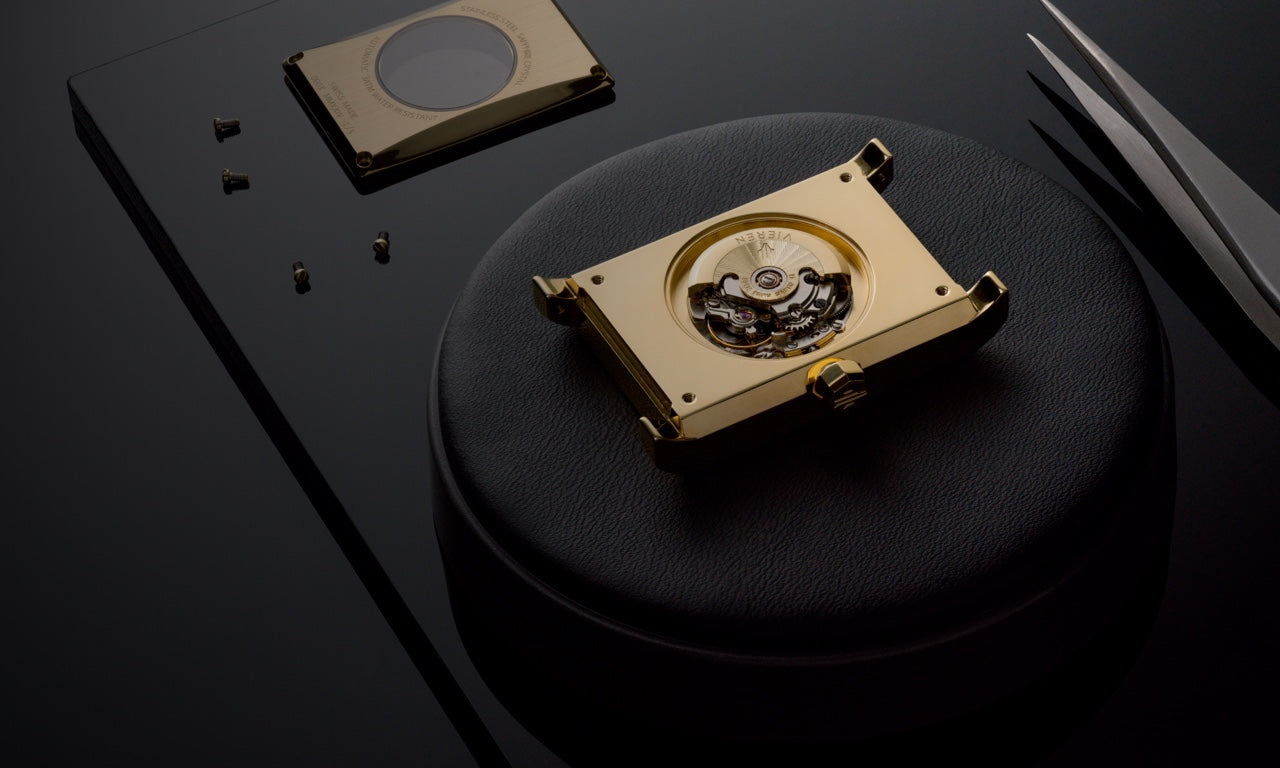
The VIEREN Automatic Watch Guide
By downloading, you agree to our Privacy Policy
explore more
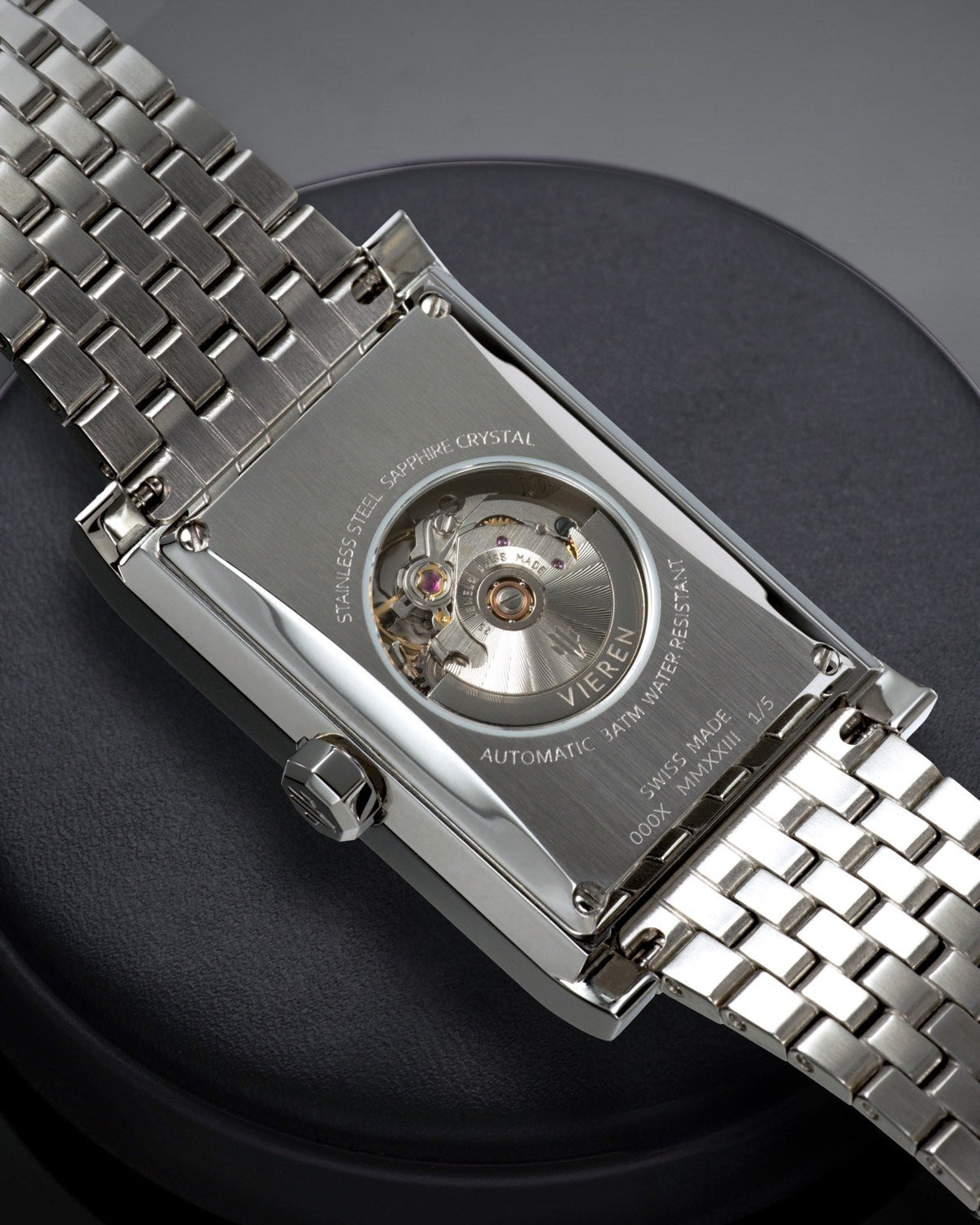
Discover VIEREN automatic rectangular watches for men and women, with Swiss Made ETA 2671 movements, skeleton dials and limited edition designs.
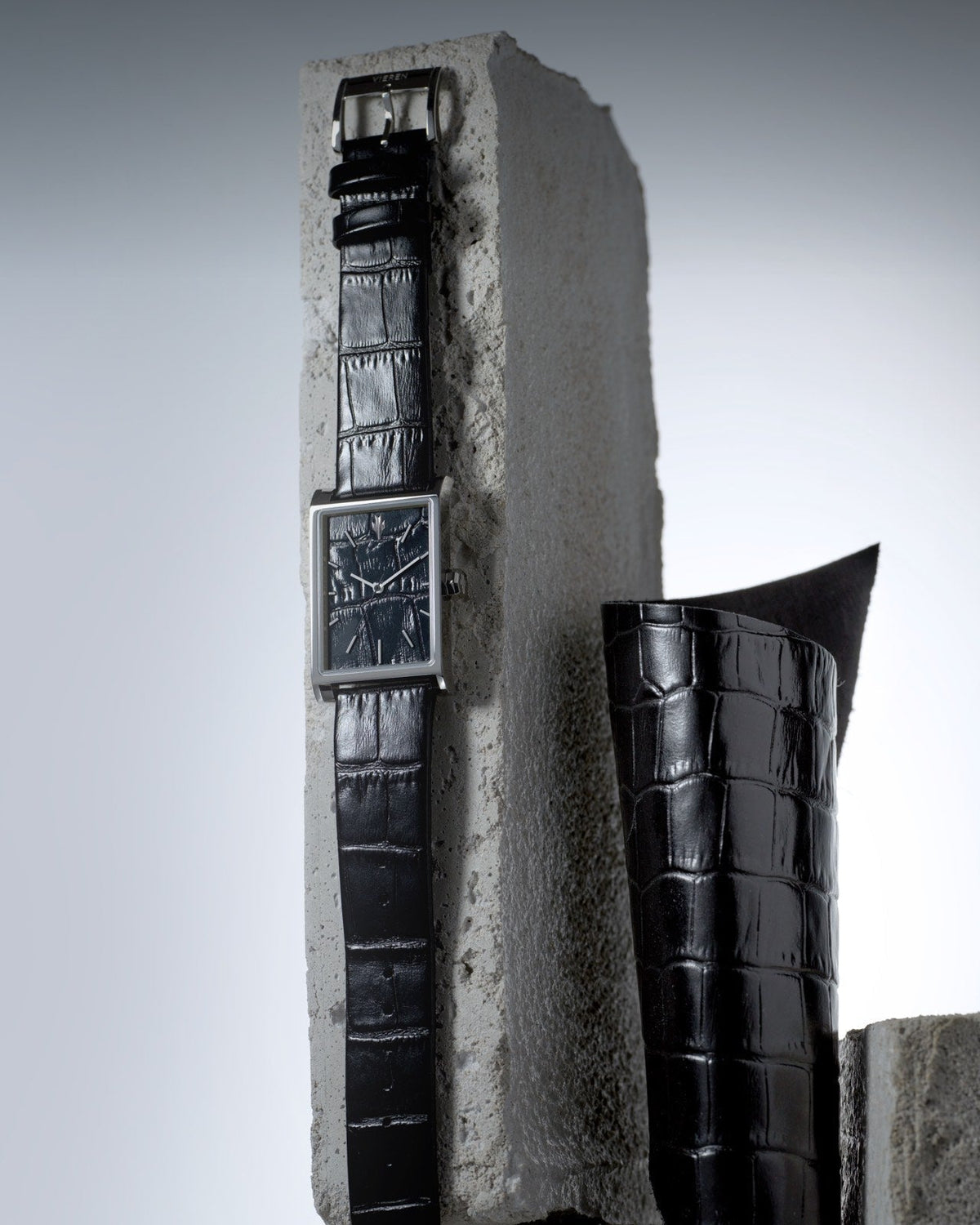
Discover VIEREN leather rectangular watches for men and women, with Swiss Made automatic movements, leather dials and limited edition designs.
Discover what Swiss Made means for VIEREN luxury watches, from ETA automatic movements to craftsmanship in La Chaux-de-Fonds, Switzerland.
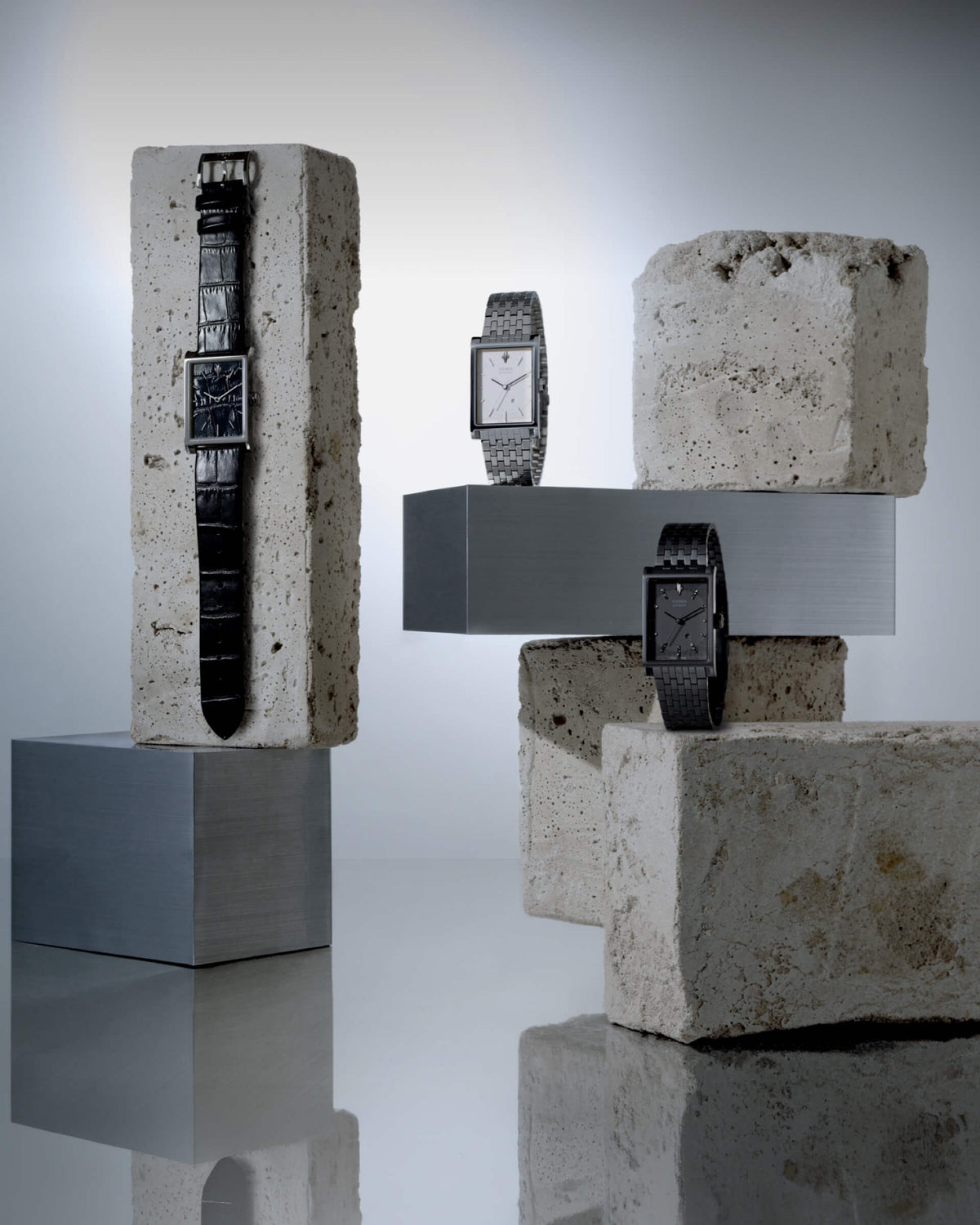
Find out how modern architecture inspires VIEREN’s luxury rectangular watches. Discover sculptural timepieces merging design with Swiss craftsmanship.