

Sapphire Crystal vs. Mineral Crystal: Best for Luxury Watches
Sapphire Crystal vs. Mineral Crystal Explained
Luxury watches use different crystal materials to protect the dial while maintaining clarity and durability. Sapphire crystal and mineral crystal differ in scratch resistance, impact resistance, clarity, and cost. This guide compares sapphire crystal vs. mineral crystal and explains what to consider when choosing a watch.
What You'll Learn
- What Is Sapphire Crystal
- Why Luxury Watches Use Sapphire Crystal
- Why Sapphire Crystal Watches Cost More
- What Is Mineral Crystal
- Comparing Sapphire Crystal vs. Mineral Crystal Watches
- Top Care Tips for Sapphire Crystal Watches
- Sapphire Crystal FAQ

1. What Is Sapphire Crystal?
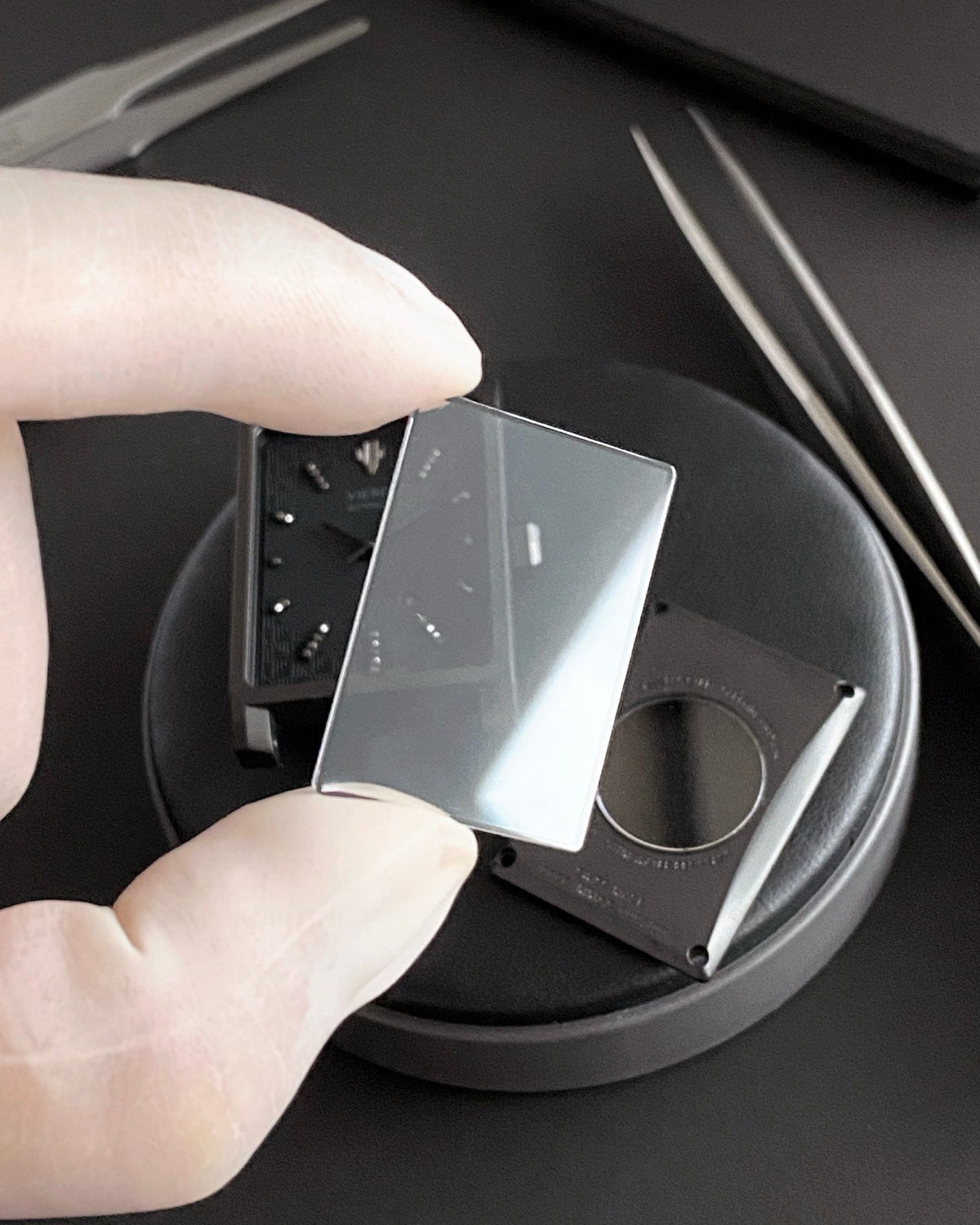
Sapphire crystal is a synthetic, crystallized aluminum oxide formed at high temperatures. Known for its exceptional hardness and clarity, it offers premium scratch resistance and a flawless finish. Favoured in luxury watches, sapphire ensures the dial remains pristine and vibrant, enhancing both aesthetics and longevity. It has become the industry standard for Swiss luxury watches thanks to its exceptional optical clarity, outstanding scratch resistance, and long-term durability.


2. Why Luxury Watches Use Sapphire Crystal
Sapphire crystal is highly scratch-resistant, ideal for luxury watches. |
Sapphire crystal watch glass is rated 9 out of 10 on the Mohs hardness scale—second only to diamond—making it extremely resistant to scratches and everyday wear. This makes it ideal for luxury Swiss Made automatic watches, where sapphire crystal is a standard feature in timepieces like those from VIEREN.
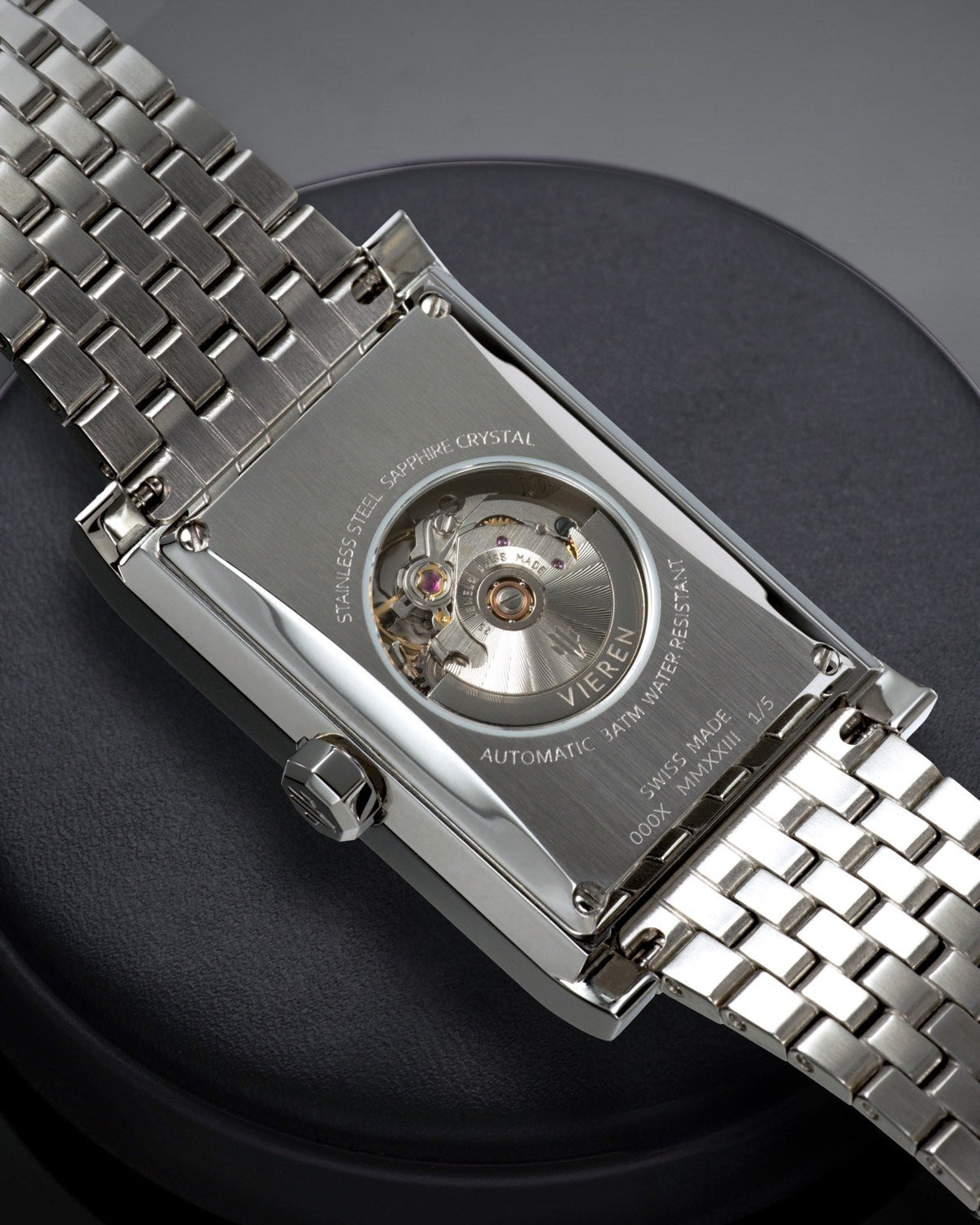
Beyond durability, sapphire enhances dial readability and protects the movement from shocks and dust. Many luxury watches combine sapphire crystal with anti-reflective coatings, polished 316L stainless steel cases, and exhibition casebacks, showcasing intricate Swiss automatic movements while maintaining clarity and elegance.
Explore how materials, proportions, and design come together in our guide to rectangular luxury watches.

3. Why Sapphire Crystal Watches Cost More
Sapphire crystal is expensive to produce due to its precise and labor-intensive manufacturing. Pure aluminum oxide is crystallized at high temperatures, cut with diamond-tipped tools, and polished to perfection. This more demanding manufacturing and finishing process contributes to the higher cost of sapphire crystal compared with mineral crystal. Learn more about the standards behind Swiss Made watches in our complete guide.

4. What Is Mineral Crystal
Mineral crystal is a hardened glass commonly used in affordable and mid-range watches. It offers good everyday durability at a lower cost than sapphire but is more susceptible to scratches and scuffs. For buyers prioritizing affordability and practical everyday use, mineral crystal can be a suitable choice, while sapphire is generally preferred when scratch resistance and long-term clarity are priorities.

5. Comparing Sapphire Crystal vs. Mineral Crystal Watches
Sapphire is preferred by collectors for its scratch resistance, clarity, and long-term durability, while mineral crystal is a practical choice for casual or budget-conscious wearers. Luxury watches, especially Swiss Made automatic timepieces, combine sapphire crystal with 316L stainless steel cases and exhibition casebacks to provide exceptional durability while showcasing the mechanical movement.
| Feature | Sapphire Crystal | Mineral Crystal |
| Material | Synthetic crystallized aluminum oxide | Tempered glass |
| Scratch Resistance | Extremely high (9/10 Mohs) | Moderate; prone to scuffs |
| Impact Resistance | Hard and highly scratch-resistant, but can chip or fracture under a strong impact | Generally more forgiving under impact, but more susceptible to scratches |
| Clarity | Excellent with anti-reflective coatings | Good but can distort light |
| Cost | High; premium luxury watches | Low; common in entry-level watches |
| Longevity | Excellent long-term scratch resistance | More susceptible to scratches over time |

6. Top Care Tips for Sapphire Crystal Watches
Even highly scratch-resistant sapphire crystal benefits from careful maintenance to preserve its clarity and premium appearance over decades. Regular cleaning, avoiding abrasives or chemicals, storing in protective cases, and choosing anti-reflective coatings can help your luxury watch remain pristine and readable in all lighting conditions.
- Clean with a soft microfibre cloth regularly to remove fingerprints and dust.
- Avoid abrasive surfaces or chemicals that can damage the crystal or gaskets.
- Store your watch in a protective case when not in use.
- Consider watches with anti-reflective coatings for better visibility in bright light.
For tips on maintaining your luxury watch, see our Automatic Watch Care Guide.

|
Sapphire Crystal FAQHow do you clean sapphire crystal on a luxury watch without scratching it? Is sapphire crystal more scratch-resistant than mineral crystal? Is sapphire crystal worth it for luxury watches? Do automatic watches use sapphire crystal casebacks? Are anti-reflective coatings necessary on sapphire crystal watches?
|
SummarySapphire crystal is widely used in luxury watches for its exceptional scratch resistance, clarity, and long-term durability. Compared with mineral crystal, sapphire offers greater resistance to everyday scratches, while mineral crystal provides a more affordable option for many watches. Explore VIEREN's collection of Swiss Made luxury watches, where sapphire crystal, Swiss craftsmanship, and modern design come together.
|
Jess Chow, VIEREN Founder and CEO
Jess Chow is the Founder and CEO of VIEREN, a Swiss Made automatic watch brand creating modern rectangular timepieces. As Canada’s first female founder of a luxury watch brand, she blends her family’s horology heritage with contemporary design and Swiss craftsmanship.

The VIEREN Automatic Watch Guide
By downloading, you agree to our Privacy Policy
explore more
Discover VIEREN automatic rectangular watches for men and women, with Swiss Made ETA 2671 movements, skeleton dials and limited edition designs.
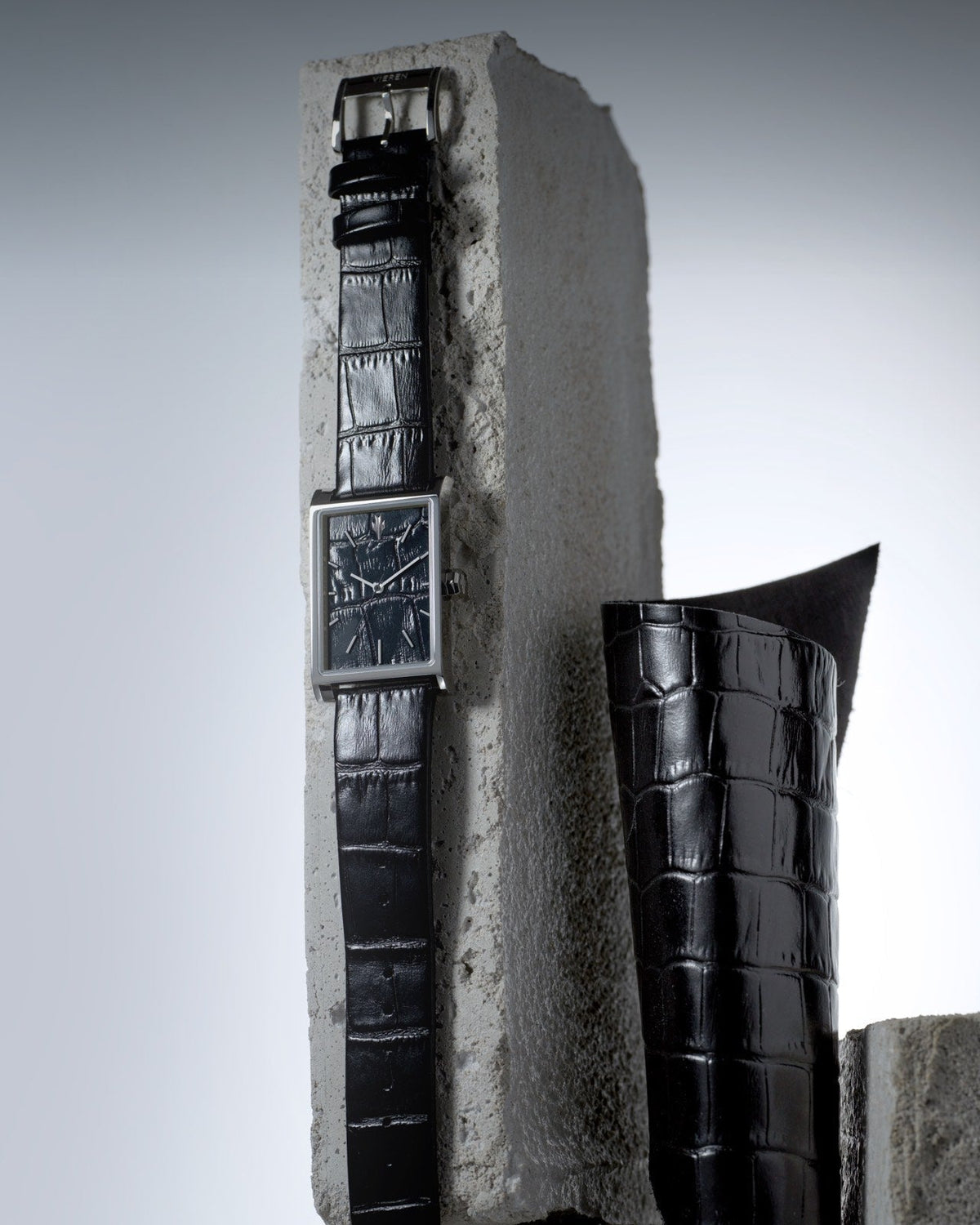
Discover VIEREN leather rectangular watches for men and women, with Swiss Made automatic movements, leather dials and limited edition designs.
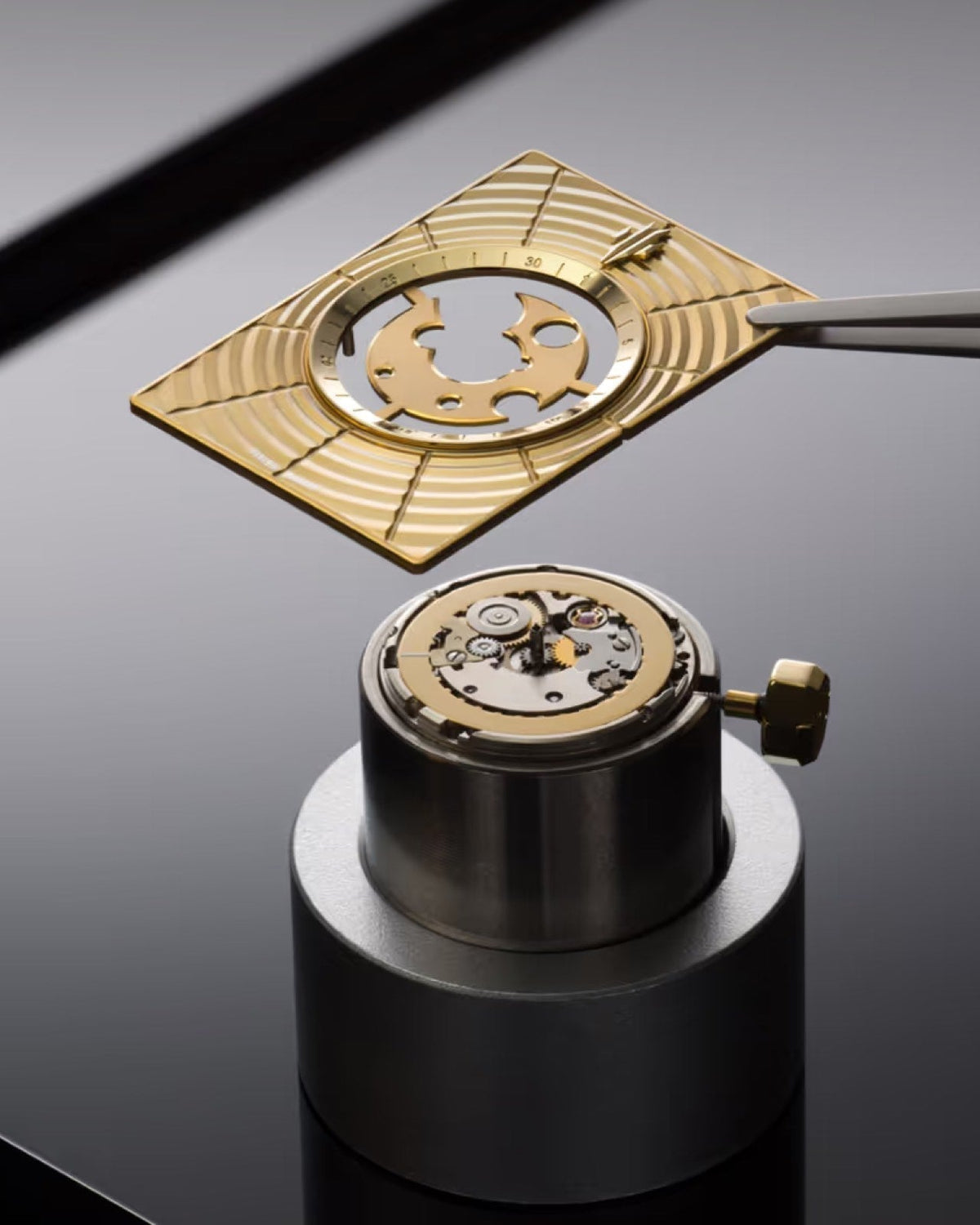
Discover what Swiss Made means for VIEREN luxury watches, from ETA automatic movements to craftsmanship in La Chaux-de-Fonds, Switzerland.
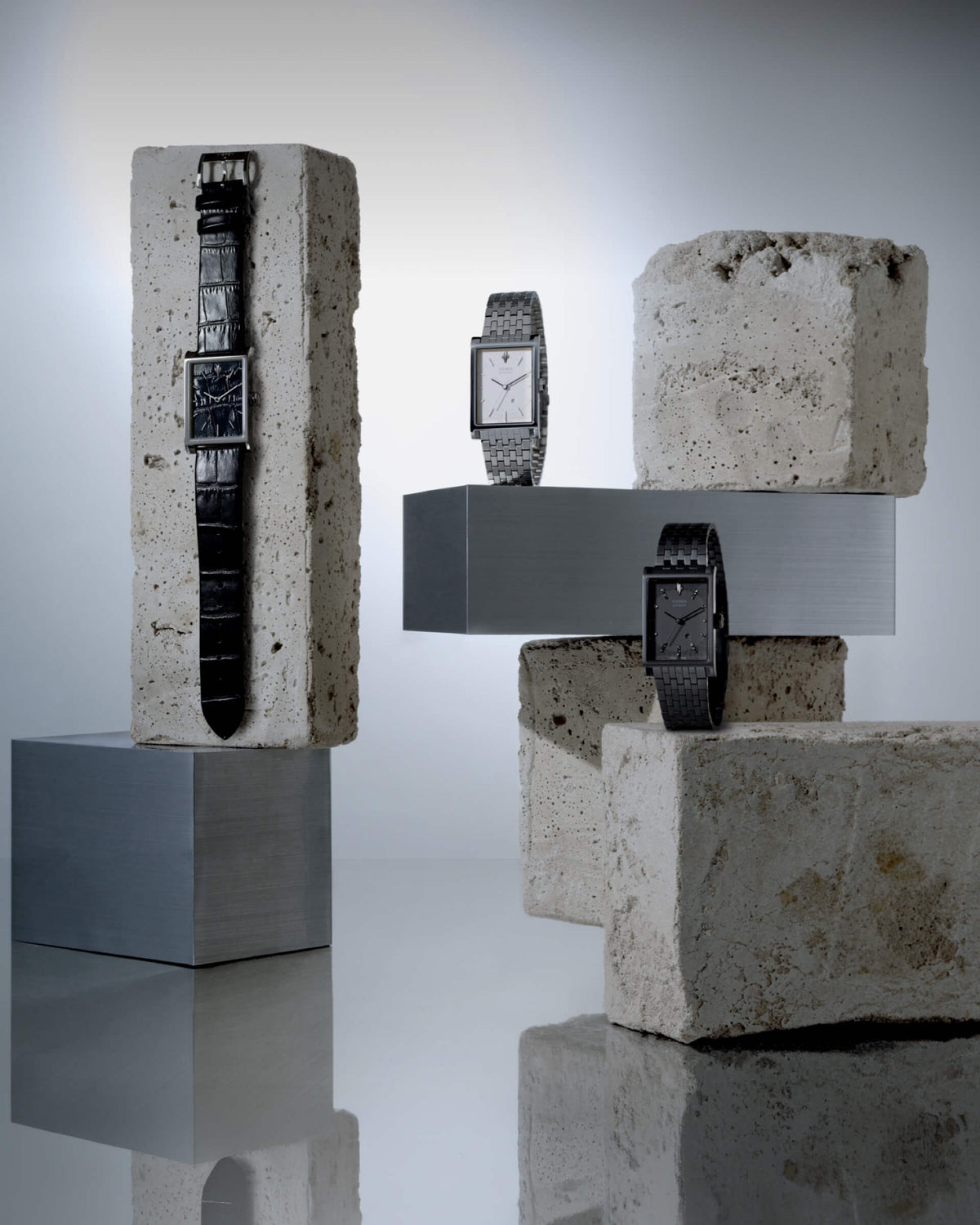
Find out how modern architecture inspires VIEREN’s luxury rectangular watches. Discover sculptural timepieces merging design with Swiss craftsmanship.