

How Do Automatic Watches Work? The Complete Guide
Understanding Automatic Watch Movements
Automatic watches are mechanical masterpieces of precision engineering and Swiss craftsmanship. Unlike quartz watches, they do not require batteries, using the natural motion of your wrist to power a self-winding movement. In this guide, we’ll explore how automatic watches work, from the rotor and mainspring to the intricate components that keep these luxury timepieces running with remarkable accuracy.
What You'll Learn
- The Precision of Automatic Watches
- How Does an Automatic Watch Work
- Automatic Watch Movements Explained
- What Is the Power Reserve
- Is It OK to Manually Wind an Automatic Watch
- How to Set Time and Date on My Automatic Watch
- What Is Water Resistance in Automatic Watches
- How to Keep Your Automatic Watch Running
- How to Store Automatic Watches
- What Is an Automatic Watch Winder
- How to Care for Your Automatic Watch
- Why are Automatic Watches So Special
- How Automatic Watches Work FAQ

1. The Precision of Automatic Watches
Automatic watches have self-winding movements that use the natural motion of your wrist to power the mechanism. |
Automatic watches represent the art of mechanical horology, transforming the simple movement of your wrist into the energy needed to power a precision timekeeping instrument. This sophisticated design showcases a blend of traditional craftsmanship and modern innovation. Captivating collectors and enthusiasts alike, the intricate mechanics behind these remarkable self-winding timepieces are beautiful and meticulously engineered.
For a deep dive on automatic watches, read our article on: What Is An Automatic Watch?

2. How Does an Automatic Watch Work? The 5-Step Process
Automatic watches use a rotor that spins with the motion of your wrist to generate energy—no battery required. This self-winding mechanism stores power in a coiled mainspring and releases it through a series of gears and components that keep time with mechanical precision. With regular servicing, they can run reliably for decades.
-
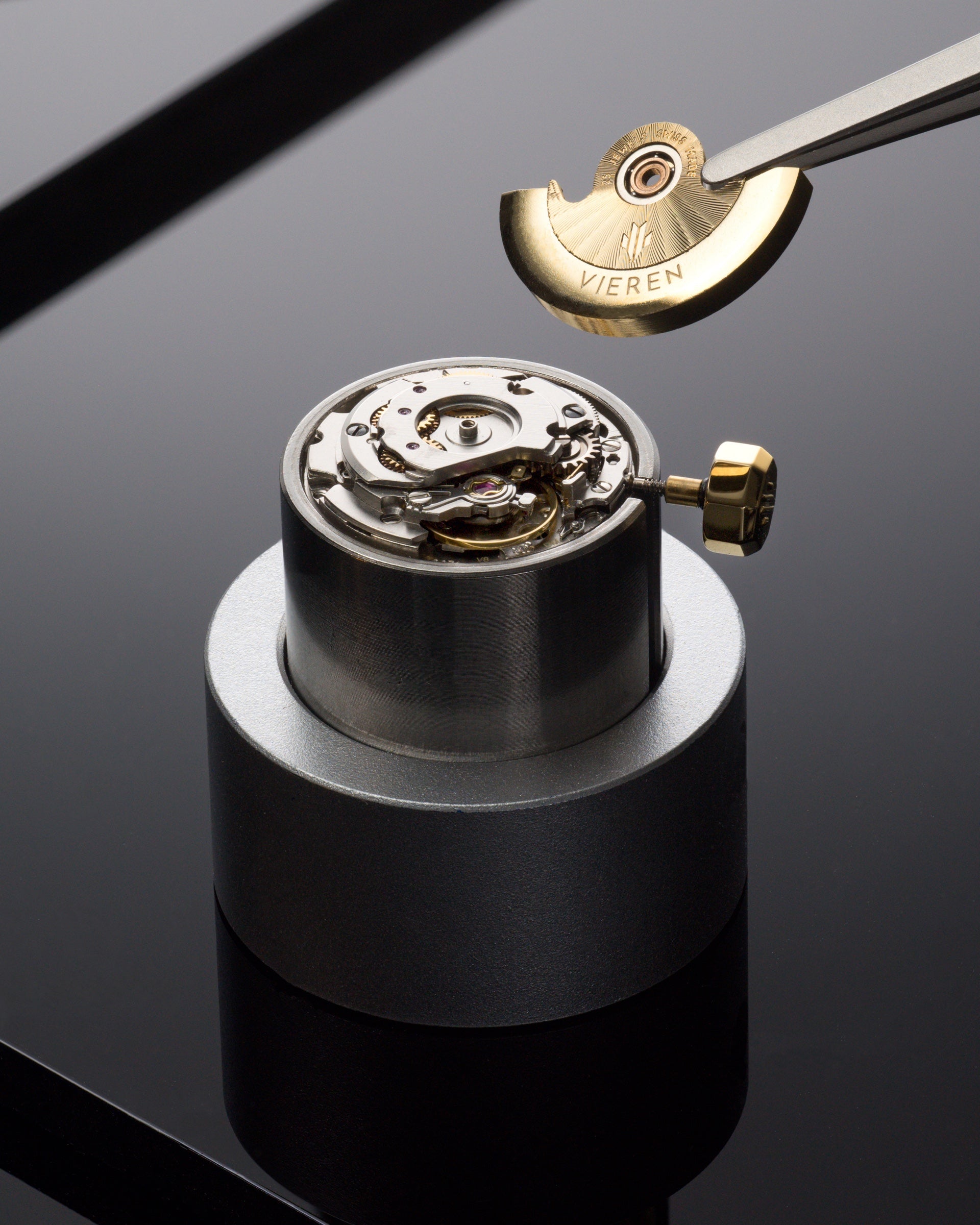
Power the Watch: The rotor, a semi-circular weighted disc, swings to self-wind as you wear your watch. If the watch stops, you can also manually wind it by turning the crown clockwise around 30 times to jumpstart the power reserve.
-
Wind the Mainspring: The mainspring, a tightly coiled metal spring, stores energy when you wind it. This stored energy drives the entire movement, helping the watch keep accurate and consistent time.
-
Turn the Escapement: The escapement, a key component that releases energy in steady impulses, is driven as the mainspring unwinds. This produces the familiar tick-tock sound as it regulates the flow of power.
-
Keep It Balanced: The balance wheel, which oscillates back and forth like a pendulum, is regulated by the escapement. This constant rhythm ensures the precise timing needed to move the hands smoothly.
- Move Hands Forward: The gear train translates the regulated energy into motion, advancing the seconds hand in measured steps. As it moves, the minute and hour hands follow in sync to display the time accurately.
Now that you understand how automatic movements work, see how they’re used in real timepieces in our guide to the Best Swiss Automatic Watches for Men and Women.

3. Automatic Watch Movements Explained
A Swiss Made automatic watch movement is a complex assembly of over 160 microscopic components that work harmoniously to maintain precise timekeeping. Each part plays a vital role in the watch's functionality and performance, showcasing the intricate craftsmanship involved in horology.
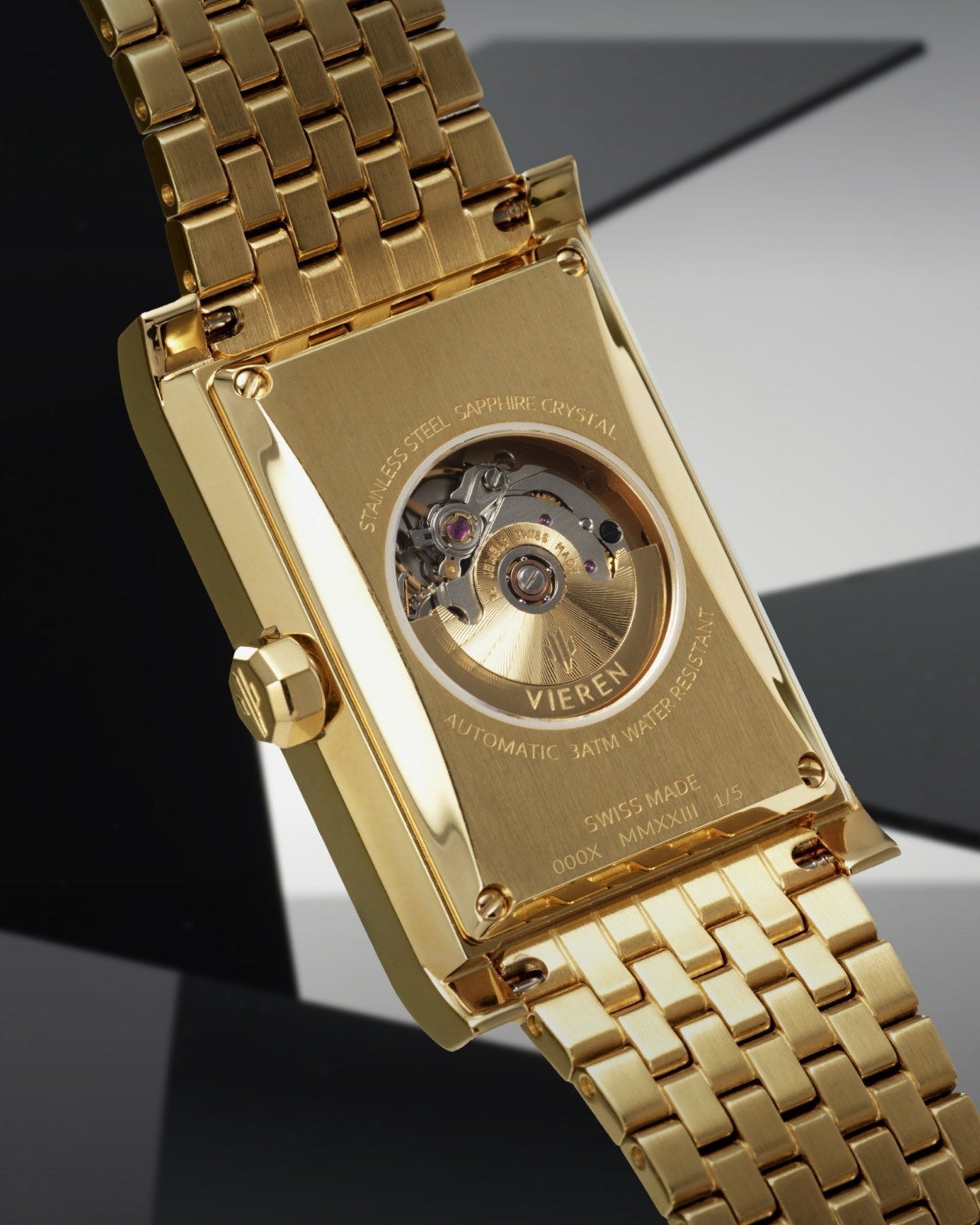
One of the most reliable calibres used in luxury Swiss automatic watches, including VIEREN’s rectangular automatic watches, is the ETA 2671 movement, known for its durability, thin profile, and precision engineering. Below, explore the key components and functions of this impressive self-winding movement for a deeper understanding of watch mechanics.
For a deep dive on different watch movement types, read our article: Automatic vs. Quartz vs. Mechanical: Watch Movements Explained.

 |
RotorWeighted disc that swings back and forth to wind the mainspring |
 |
MainspringTightly coiled metal spring that winds and unwinds to power the watch |
 |
EscapementAdvanced mechanism that turns energy into vibrational impulses |
 |
Balance WheelWeighted wheel that acts like a pendulum that rotates back and forth |
 |
Gear TrainA set of gears that transforms the frequency into metrics of time |
 |
HandsMetal markers that showcase hours, minutes, and seconds metrics |
 |
Date DiscNumbered plate that rotates to display the days of the month |
 |
CrownExternal gear to manually wind the mainspring and adjust time and date |
 |
MainplateStructural base that holds and aligns the movement components. |
 |
JewelsGemstones with lubricating oil reduce friction in gear bearings, enhancing durability |
4. What Is the Power Reserve?
The power reserve indicates how long an automatic watch runs after being fully wound. |
Most modern automatic watches offer a power reserve of 36-42 hours. If not worn daily, be prepared for your watch to require manual winding or resetting after several days. Understanding your watch's power reserve helps you manage when to wear or wind your automatic watch.
Learn more in our article: Why Automatic Watches Stop – And How To Fix It.
5. Is It OK to Manually Wind an Automatic Watch?
To power a self-winding watch, hold the watch head in your left hand and use your thumb and index finger to turn the crown upward about 30 times. Some automatic timepieces may require you to unscrew the crown first before manual winding.
Most modern automatics feature a slipping mainspring to prevent over-winding, allowing safe winding without risk of damage. If you haven’t worn your watch for a day or two, manual winding is likely needed to ensure accurate timekeeping.
For a step-by-step guide, explore: How To Wind An Automatic Watch.

6. How to Set Time and Date on My Automatic Watch
Properly setting the time and date on your luxury automatic watch is essential for accuracy and longevity. Always turn the crown forward to adjust, avoiding backward turns to prevent damage to the movement, and follow the manufacturer’s instructions carefully for best results.
-
To Set the Time: Pull the crown out to time-setting mode. Turn it clockwise to set the minute and hour hands. Ensure that the date changes at midnight, not noon. If you pass your desired time, continue rotating forward to reach it.
- To Set the Date: Pull the crown to the date-setting position and rotate it clockwise. Avoid setting the date during the “danger zone” between 9pm and 3am, as this can damage the date mechanism.

7. What Is Water Resistance in Automatic Watches?
If your automatic watch is water-resistant, always ensure the crown is fully pushed in or screwed down before exposing it to water. Check the ATM rating for water resistance and have it tested regularly to ensure the seal remains effective, especially after repairs.
Water resistance is measured in ATM (atmospheres) or meters. These ratings indicate the pressure a watch can withstand under controlled testing conditions and should not be interpreted as exact diving depths.
-
3 ATM (30m): Splash-resistant, not suitable for swimming or bathing
-
5 ATM (50m): Can handle showering or light swimming
-
10 ATM (100m): Suitable for swimming and snorkelling
- 20 ATM (200m): Ideal for diving

8. How to Keep Your Automatic Watch Running
Using an automatic watch involves regular winding and proper care. |
Regular manual winding and wearing it frequently will keep your automatic watch functioning optimally. Familiarize yourself with the watch’s crown and its functions for setting the time and date accurately. Following the guidelines outlined above will maximize your self-winding movement's functionality and longevity.
Discover an in-depth exploration in our guide: How To Use An Automatic Watch.
9. How to Store Automatic Watches
Proper storage is key to preserving your watch. Keep it in a dedicated luxury watch box to minimize dust exposure. Store your automatic watch in a cool, dry place, away from extreme temperatures, humidity, and direct sunlight, which can damage the movement and affect its performance.
For daily use, a watch stand or watch tray keeps your timepiece organized and protected. If you have multiple watches, consider using a watch winder to keep your automatic watches running when not worn, reducing the need to manually reset the time and date.

10. What Is an Automatic Watch Winder?
A watch winder keeps an automatic watch running when not worn. |
Since self-winding timepieces rely on wrist movement to wind the mainspring, an automatic watch winder simulates this motion to ensure the movement continues to function properly. When placed inside the winder, the watch rotates periodically, preventing the lubricants inside the movement from settling, which can affect accuracy.
Make sure the winder’s settings are compatible with your watch’s specific movement, as different movements may require different winding directions or rotations. A watch winder helps keep your Swiss automatic watches performing at their best, while reducing the need for frequent manual winding.

11. How Do I Care for My Automatic Watch?
To ensure your luxury automatic watch remains in top condition, follow a consistent care routine that includes regular cleaning, proper storage, and timely servicing. Make sure to wipe your watch after each wear and avoid exposing it to harsh elements.
It’s essential to have your watch professionally serviced every 3 to 5 years to keep it running accurately. This servicing includes cleaning, lubrication, and necessary adjustments to maintain performance and prevent costly repairs down the road.
For detailed care tips and best practices, check out our Automatic Watch Care Guide.
12. Why Are Automatic Watches So Special?
Swiss automatic watches embody centuries of horological craftsmanship, offering not just functionality but also a deep connection to watchmaking traditions. Their self-winding movements require no batteries and are powered by the kinetic energy generated by your wrist's motion with daily wear.
Whether expressed through classic round cases or distinctive rectangular designs, Swiss automatic watches showcase the precision engineering and artisanal craftsmanship that define modern luxury horology. Each piece is a testament to artistry, durability, and timeless style, making them highly prized by collectors and enthusiasts alike.
Looking for your perfect timepiece? Check out our guide on Buying Your First Automatic Watch: 9 Expert Tips.

|
How Automatic Watches Work FAQAre there different types of automatic movements?
|
SummaryAutomatic watches are marvels of engineering, powered by the natural motion of your wrist. Using a rotor to harness kinetic energy, they eliminate the need for batteries. Combining precision with artistry, these self-winding movements are built to last generations, serving as enduring symbols of craftsmanship, legacy, and style. At VIEREN, we honour this horological heritage by creating Swiss Made automatic watches that combine mechanical excellence with modern architectural design.
|
Jess Chow, VIEREN Founder and CEO
Jess Chow is the Founder and CEO of VIEREN, a Swiss Made automatic watch brand creating modern rectangular timepieces. As Canada’s first female founder of a luxury watch brand, she blends her family’s horology heritage with contemporary design and Swiss craftsmanship.

The VIEREN Automatic Watch Guide
By downloading, you agree to our Privacy Policy
explore more
Discover why Swiss Made watches define luxury horology and how VIEREN celebrates Swiss craftsmanship in every limited edition rectangular timepiece.
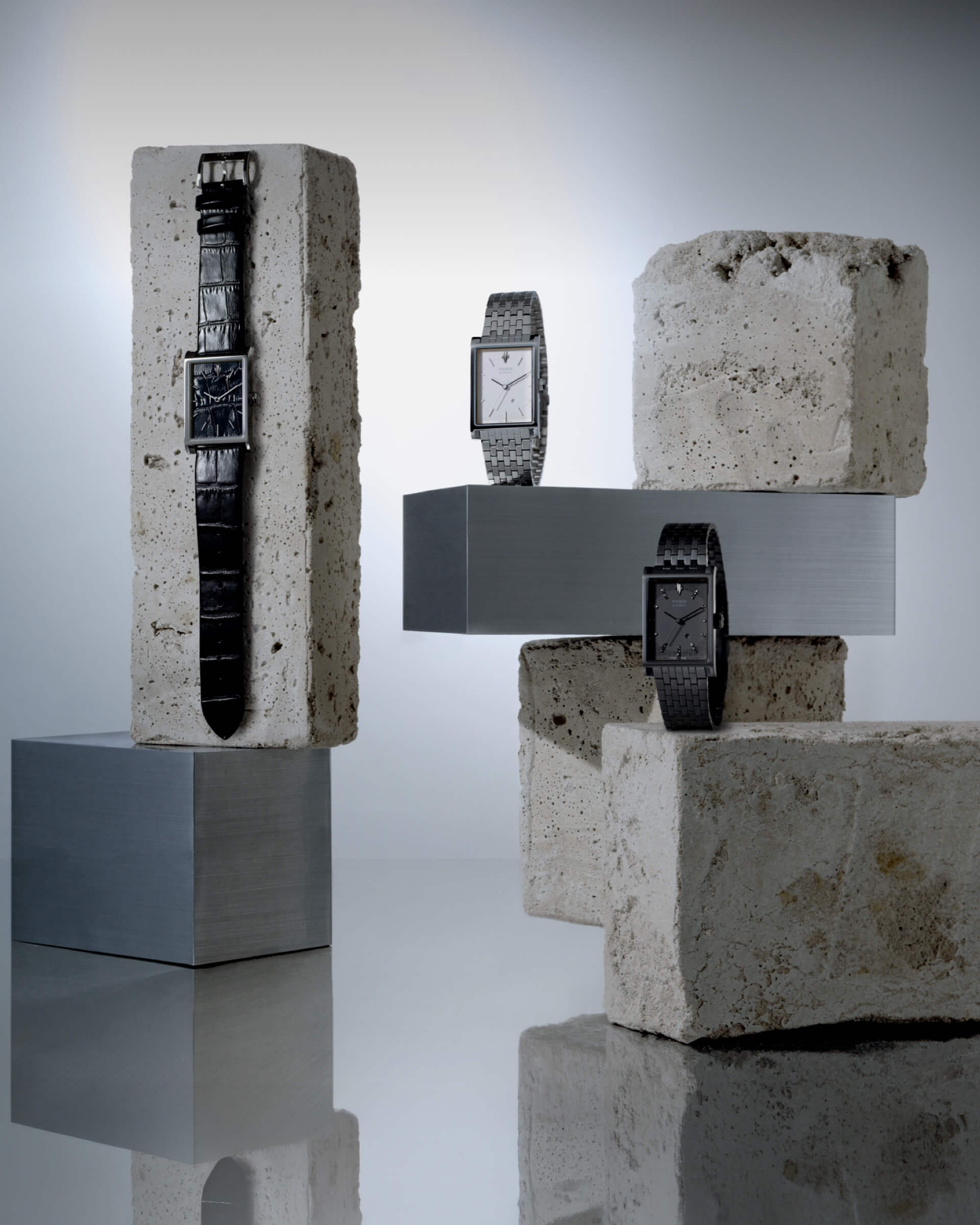
Find out how modern architecture inspires VIEREN’s luxury rectangular watches. Discover sculptural timepieces merging design with Swiss craftsmanship.

Explore how art, fashion, and culture shape luxury watch design. Discover VIEREN’s Swiss Made rectangular watches and modern approach to horology.
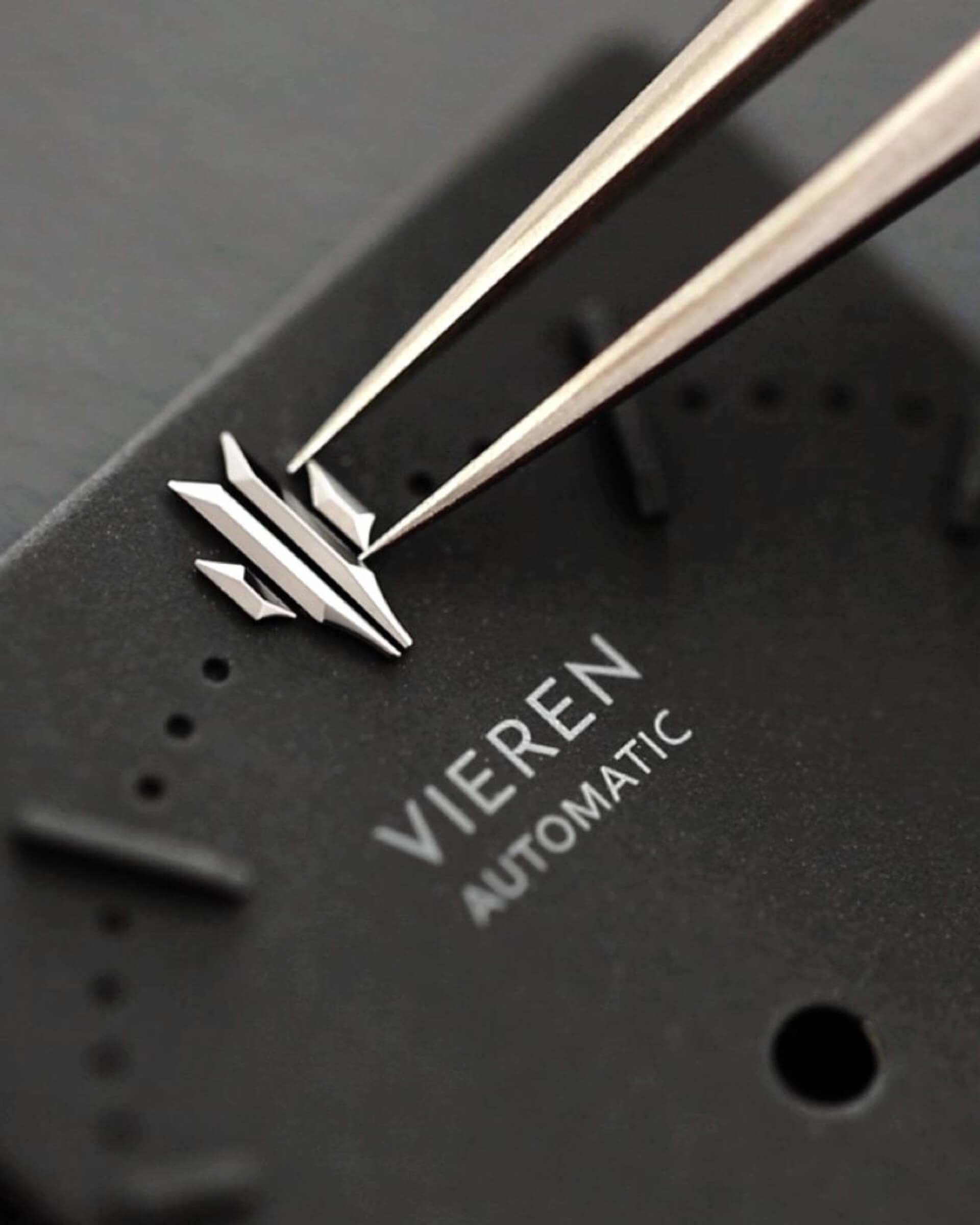
Explore The Making of VIEREN, a five-part series revealing Swiss Made watchmaking, modern design, and craftsmanship behind rectangular timepieces.