

Automatic vs. Mechanical vs. Quartz Watch Movements Explained
Watch Movements Explained
A watch movement is the mechanism that powers a timepiece, controlling how it keeps time and functions. The three main movement types—mechanical, automatic, and quartz—each offer a different balance of craftsmanship, precision, convenience, and heritage. From traditional hand-wound mechanical watches to self-winding automatic movements and highly accurate quartz models, each movement reflects a unique approach to watchmaking.
What You'll Learn
- What Are Mechanical Watches
- What Are Automatic Watches
- What Are Quartz Watches
- Comparing Mechanical, Quartz, and Automatic Movements
- The Evolution of Watch Movements
- Choosing the Right Movement for You
- Sustainable Luxury: Redefining Watchmaking
- Celebrating Swiss Artistry with VIEREN
- Explore VIEREN Swiss Made Automatic Watches
- Watch Movement Types FAQ

1. What Are Mechanical Watches?
Mechanical watches are powered by manual winding using the crown. |
Mechanical watch movements store and release energy through a mainspring, using a system of gears and an escapement to power the watch hands. This process, perfected over centuries, showcases the artistry and precision of traditional watchmaking. Swiss mechanical watches are prized for their craftsmanship and heritage, ideal for enthusiasts who appreciate the hands-on experience of winding their timepiece.
Advantages
✓ Craftsmanship: Traditional hand-assembled precision
✓ No Battery: Powered entirely by mechanical energy
✓ Longevity: With care, these watches can last generations
Considerations
✘ Manual Winding: Requires regular winding every 24-72 hours
✘ Less Accurate: Can gain or lose seconds over time
For a deeper comparison, explore our article: Mechanical Watch vs. Automatic Watch - What's The Difference?.

2. What Are Automatic Watches?
Automatic watches are powered by the motion of the wearer’s wrist. |
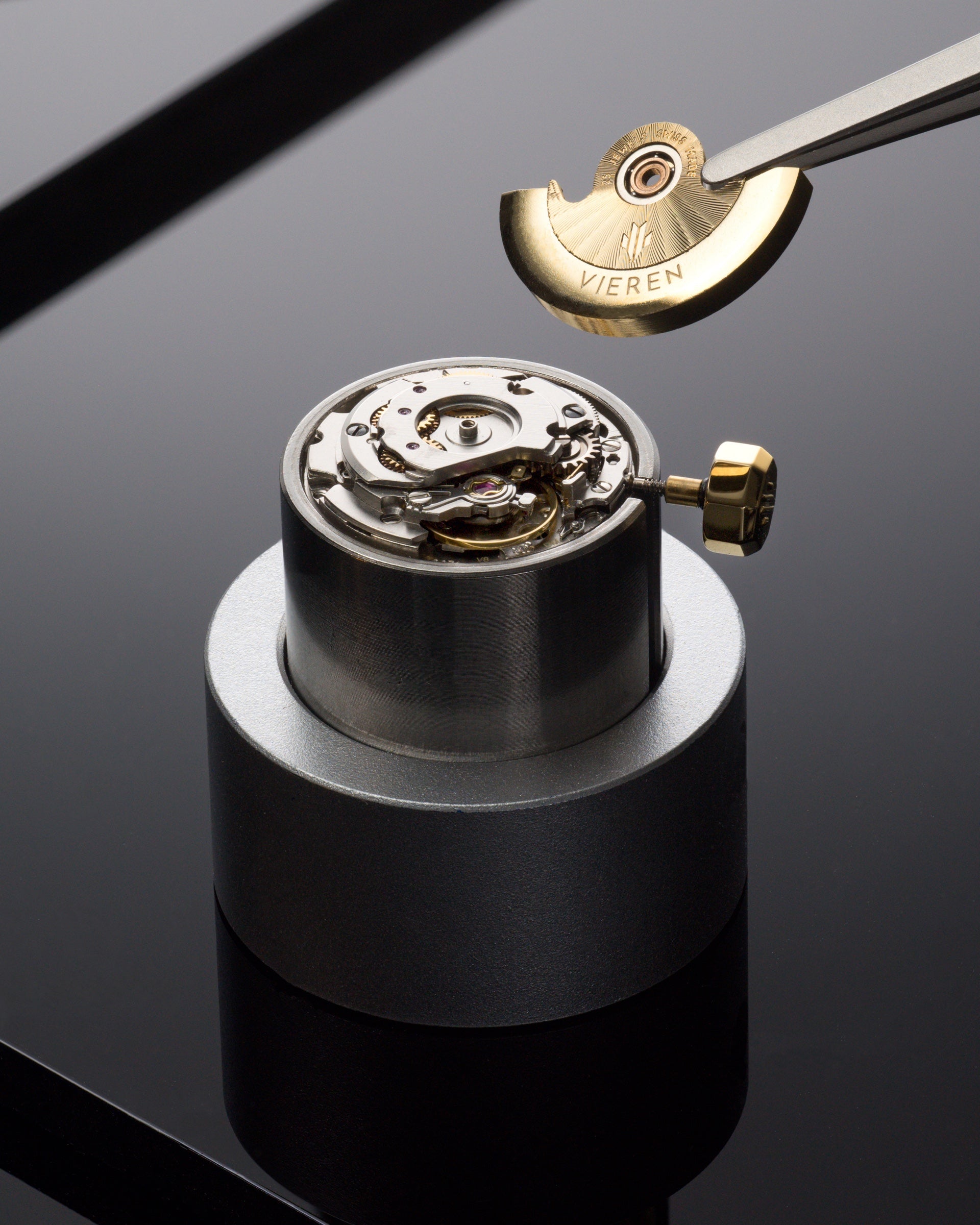
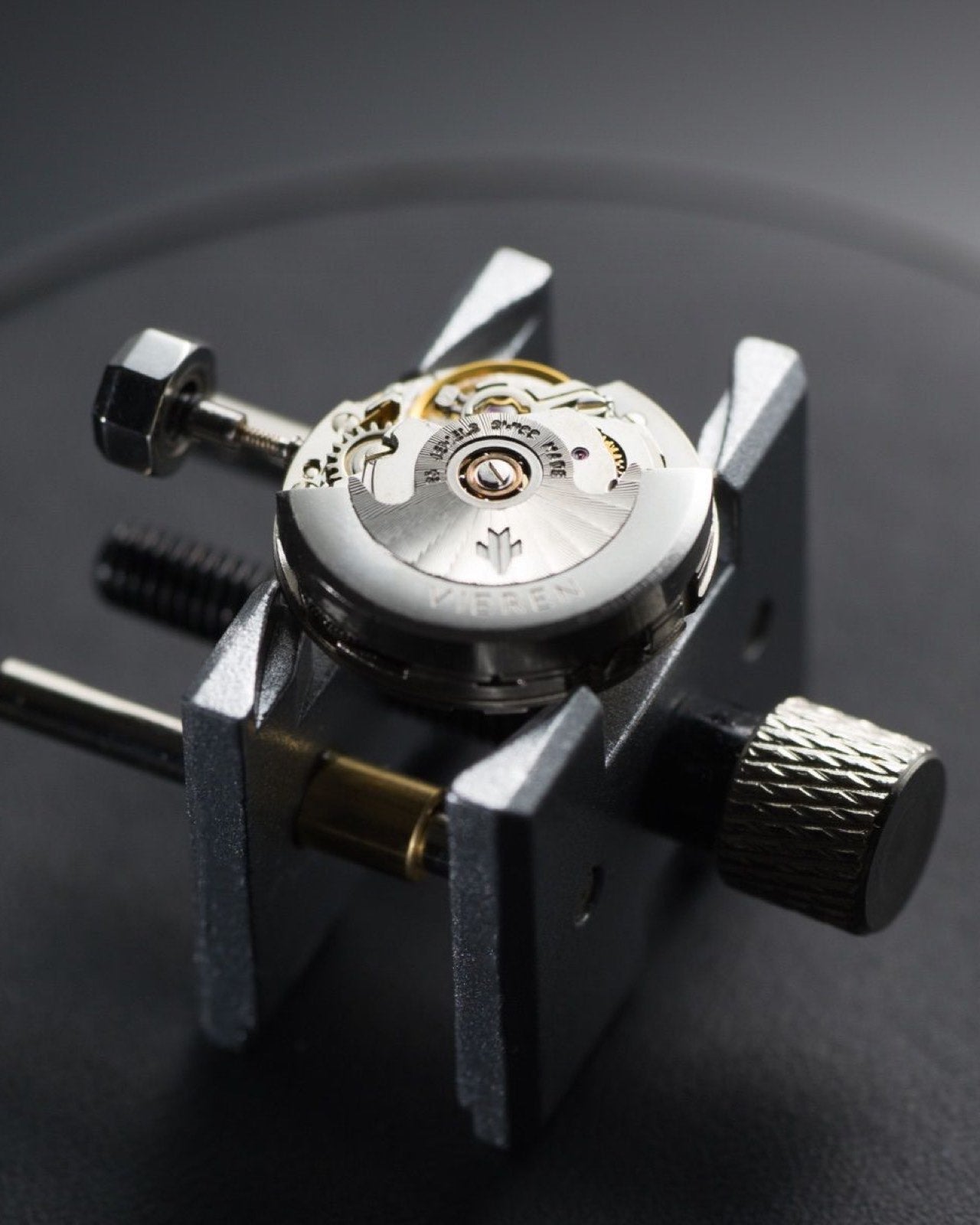
Automatic watch movements are a type of mechanical watch powered by the natural motion of the wearer’s wrist. A weighted rotor spins with movement to wind the mainspring and keep the watch running. This self-winding system combines traditional watchmaking craftsmanship with everyday convenience. Most Swiss automatic movements, such as the ETA 2671, deliver reliable accuracy and long-term performance when properly serviced.
Advantages
✓ Self-Winding: No need for daily winding if worn consistently
✓ Craftsmanship: Combines traditional and modern engineering
✓ Sustainability: No batteries required, making them eco-friendly
Considerations
✘ Wear or Wind: Stops if not worn for 1-2 days or manually wound
✘ Higher Cost: Often pricier due to complex mechanisms
For a detailed explanation, check out our article: How Do Automatic Watches Work? The Complete Guide.

3. What Are Quartz Watches?
Quartz watches are powered by an electronic battery and quartz crystal. |
Quartz watch movements use a battery-powered quartz crystal that sends an electric current through the crystal, causing it to vibrate at a precise frequency and drive the watch’s hands. Quartz watches are highly accurate and require minimal maintenance, making them a great choice for reliability and precision.
Advantages
✓ Reliable: Highly accurate, with minimal deviation
✓ Low Maintenance: Requires periodic battery replacement, typically every 1–5 years depending on the movement
✓ Affordable: Cheaper than mechanical or automatic watches
Considerations
✘ Battery Dependency: Regular battery replacements are needed
✘ Less Craftsmanship: Lacks the intricate artistry of mechanical or automatic watches
For a deep dive, read our article: Quartz Watch vs. Automatic Watch - Which Should You Choose.

4. Comparing Mechanical, Quartz, and Automatic Movements
Understanding the differences between mechanical, automatic, and quartz movements helps you choose a luxury timepiece that suits your preferences—whether you value craftsmanship, convenience, or precision.
|
Feature |
Mechanical Watch |
Automatic Watch |
Quartz Watch |
| Power Source | Manually wound mainspring | Wrist motion through self-winding rotor | Battery |
| Accuracy | Varies by movement and regulation | Varies by movement and regulation | Very high |
| Maintenance | Regular winding and servicing | Occasional winding and servicing | Battery replacement |
| Craftsmanship | Traditional watchmaking | Traditional and convenience | Electronic movement |
| Longevity | Can last generations with servicing | Can last generations with servicing | Requires battery changes every few years |
Discover the top trending timepieces in our article: Best Swiss Automatic Watches For Men & Women.
5. The Evolution of Watch Movements
The evolution of watch movements is a fascinating story of innovation, craftsmanship, and technological progress. From early spring-driven mechanisms to modern automatic and quartz systems, each advancement has reshaped how we measure and experience time. Understanding this journey highlights the ingenuity of watchmaking and reveals how centuries of engineering continue to influence modern luxury timepieces.
1510s: The First Mechanical Watch
The origins of mechanical watchmaking date back to the late 15th and early 16th centuries with the development of spring-driven timepieces that used intricate gears and escapements to regulate time. German inventor Peter Henlein is widely credited with creating one of the first portable mechanical watches around 1510. These early timepieces marked the beginning of personal timekeeping and laid the foundation for the precision engineering found in modern mechanical watches.

1776: The First Automatic Watch Movement
Swiss watchmaker Abraham-Louis Perrelet developed one of the earliest automatic winding mechanisms in the 1770s. His invention used the natural motion of the wearer’s body to wind the mainspring, reducing the need for manual winding. While these early automatic systems were innovative, they were still relatively large and primarily used in pocket watches rather than wristwatches.
For an in-depth look, explore our article on: The History of Automatic Watches

1923: The First Automatic Wristwatch
In 1923, British watchmaker John Harwood introduced one of the first practical automatic wristwatches. His design used a bumper-style self-winding mechanism, where a weighted rotor moved back and forth roughly 180 degrees, striking spring buffers to wind the mainspring. This innovative system efficiently harnessed wrist motion and helped bring automatic technology into everyday wristwatches, paving the way for the full-rotor automatic movements used today.

1969: The First Quartz Watch
In 1969, Seiko revolutionized the watch industry with the introduction of the Seiko Astron, the world’s first commercially available quartz wristwatch. Unlike mechanical watches that rely on gears and springs, quartz timepieces use an electronic oscillator regulated by a quartz crystal for exceptional accuracy. This breakthrough dramatically improved timekeeping precision and made reliable watches more accessible to a global audience.

6. Choosing the Right Movement for You
Selecting the right watch movement type is key to finding a luxury timepiece that fits your lifestyle and preferences. Beyond functionality, the movement influences your watch’s maintenance, style, and long-term value. Each type offers unique benefits, so understanding your needs will help you make a confident choice.
-
Mechanical Watches: Perfect for those who cherish traditional craftsmanship and enjoy the ritual of manually winding their watch.
-
Automatic Watches: Ideal for those who want the artistry of mechanical design with the convenience of self-winding through daily wear. Swiss Made movements are renowned for precision and reliability, making them a timeless investment.
- Quartz Watches: Best for anyone seeking precise, reliable timekeeping with minimal upkeep and budget-friendly options.
Looking for an automatic watch? Check out our guide on: 9 Expert Tips for Buying Your First Automatic Watch.

7. Sustainable Luxury: Redefining Watchmaking
In an age of fast fashion and disposable tech, mechanical and automatic watches offer a battery-free alternative, relying on traditional energy systems designed for longevity and repairability. Unlike quartz watches that require periodic battery replacements, mechanical and automatic watches can last for decades with proper servicing.
This focus on longevity and craftsmanship reflects a more sustainable approach to luxury watchmaking. Enduring materials, thoughtful engineering, and the ability to service and maintain a timepiece over generations help reduce waste while preserving the artistry of traditional horology. Discover VIEREN’s commitment to sustainability in luxury watchmaking.

8. Celebrating Swiss Artistry with VIEREN
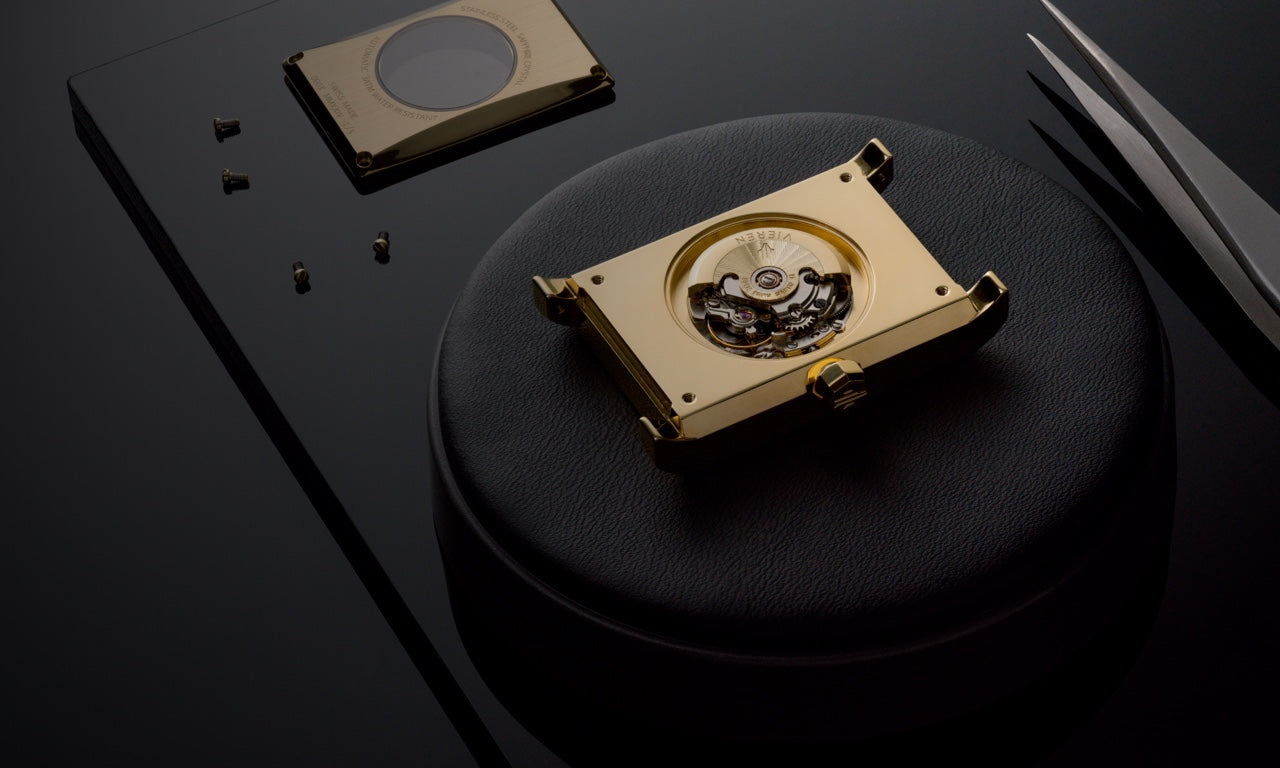
At VIEREN, we create Certified Swiss Made watches powered by the renowned ETA 2671 automatic movement for exceptional precision. Founded by Jess Chow, Canada's first female founder of a Swiss luxury watch brand, and award-winning designer Sunny Fong, our sculptural rectangular timepieces are inspired by modernist architecture.
Handcrafted in La Chaux-de-Fonds, Switzerland, each timepiece balances refined aesthetics with meticulous craftsmanship. Explore our limited edition collections and experience the artistry of Swiss horology with VIEREN.

Explore VIEREN Swiss Made Automatic Watches
"Moments of modernism, texture, things that are tone-on-tone... I tried to merge all those ideas into one watch."
Sunny Fong, VIEREN Creative Director

GOLD WAVES
Sculptural Swiss Made automatic watch with a 3D-beveled skeleton dial, powered by the ETA 2671 automatic movement. A striking gold statement piece shaped by sound waves in motion. Limited to 5 pieces.

MATTE WHITE
Minimal Swiss Made automatic watch with a tonal matte white dial and 18K gold rehaut detail. Inspired by brutalist architecture and defined by understated luxury. Limited to 100 pieces.

BLACK DIAMOND
Architectural Swiss Made automatic watch set with 31 black diamonds. DLC-coated monochrome design with bold geometric precision and refined contrast. Limited to 100 pieces.

BLACK CROC
Swiss Made automatic watch featuring a textured leather dial that flows seamlessly into a crocodile-embossed strap. A rare material expression defined by texture and modern edge. Limited to 100 pieces.

GOLD STEREO DIAMOND
High-jewelry Swiss Made automatic gold watch hand-set with 93 natural diamonds on a skeleton dial. A hyper-limited rectangular masterpiece inspired by Studio 54 glamour. Limited to 5 pieces.
Loved by Collectors

“It’s my daily wear. It just works with everything.” |

“Feels like a true collector’s object.” |

“Last night’s look at the Grammy Awards.” |
|
Watch Movement Types FAQ
|
SummaryUnderstanding watch movements is key to choosing the right timepiece. Whether you value mechanical craftsmanship, quartz precision, or the convenience of an automatic watch, the movement defines a watch’s performance and longevity. Explore VIEREN Swiss Made automatic watches and discover the movement that aligns with your lifestyle and passion for horology.
|
Jess Chow, VIEREN Founder and CEO
Jess Chow is the Founder and CEO of VIEREN, a Swiss Made automatic watch brand creating modern rectangular timepieces. As Canada’s first female founder of a luxury watch brand, she blends her family’s horology heritage with contemporary design and Swiss craftsmanship.

The VIEREN Automatic Watch Guide
By downloading, you agree to our Privacy Policy
explore more
Discover why Swiss Made watches define luxury horology and how VIEREN celebrates Swiss craftsmanship in every limited edition rectangular timepiece.
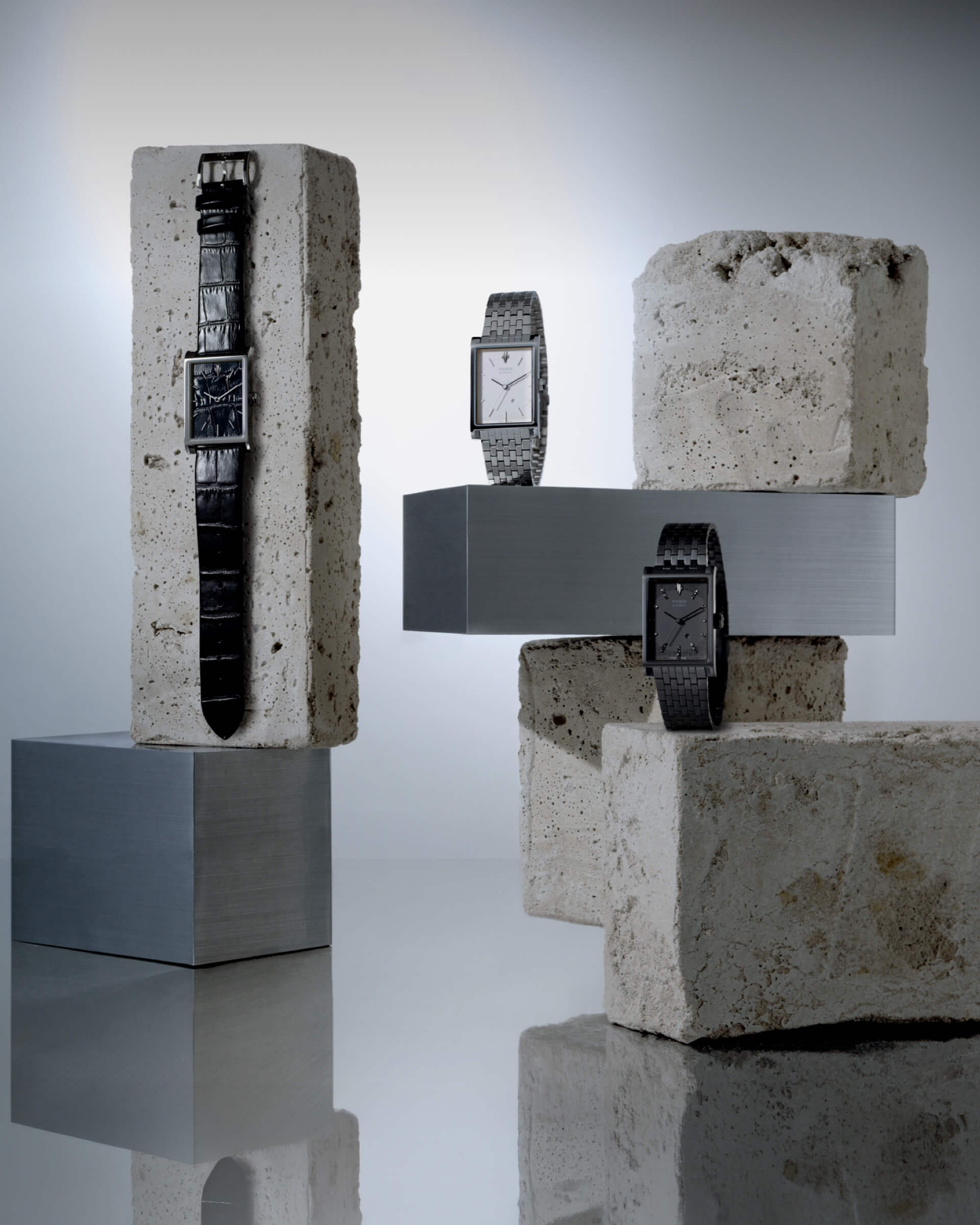
Find out how modern architecture inspires VIEREN’s luxury rectangular watches. Discover sculptural timepieces merging design with Swiss craftsmanship.

Explore how art, fashion, and culture shape luxury watch design. Discover VIEREN’s Swiss Made rectangular watches and modern approach to horology.
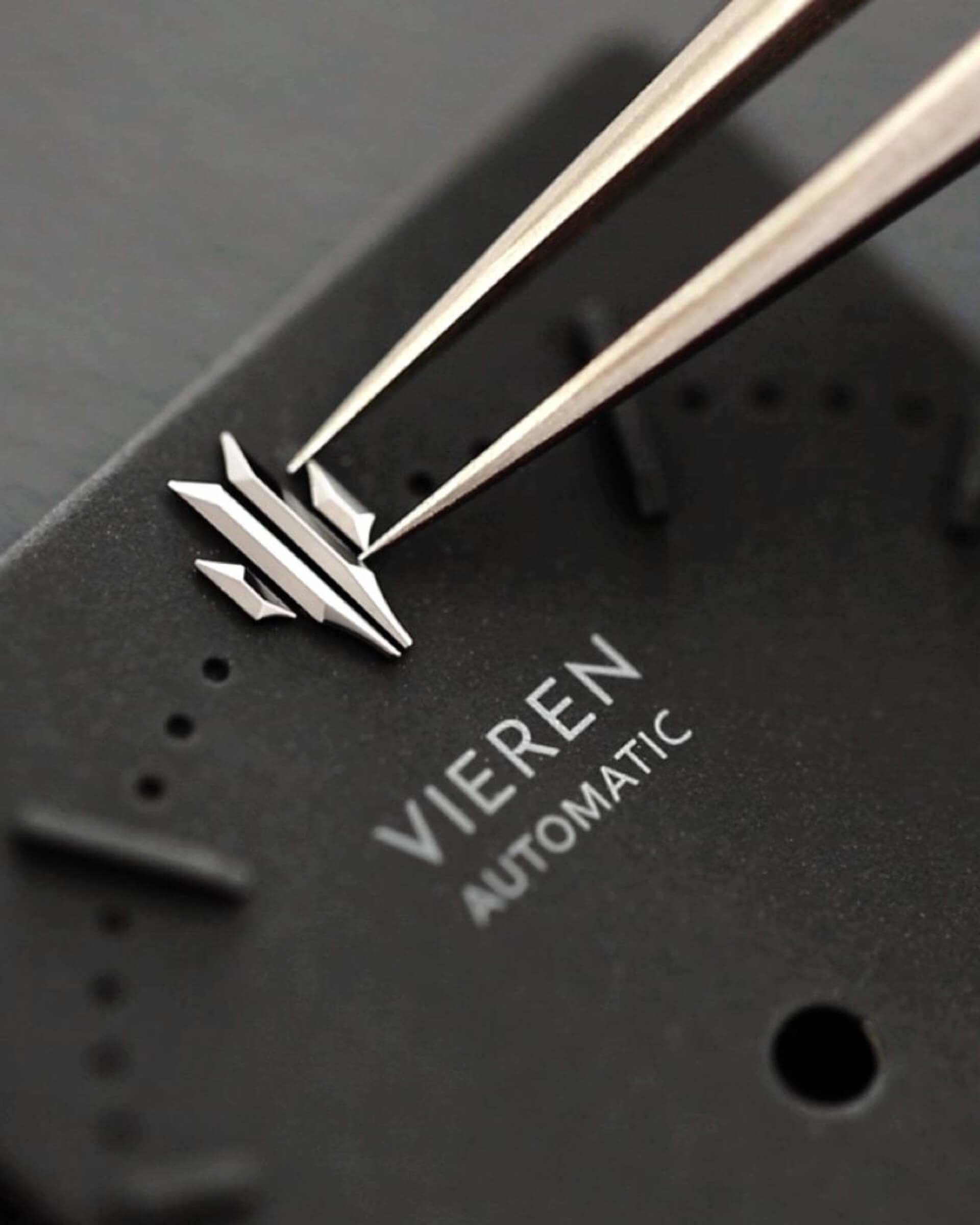
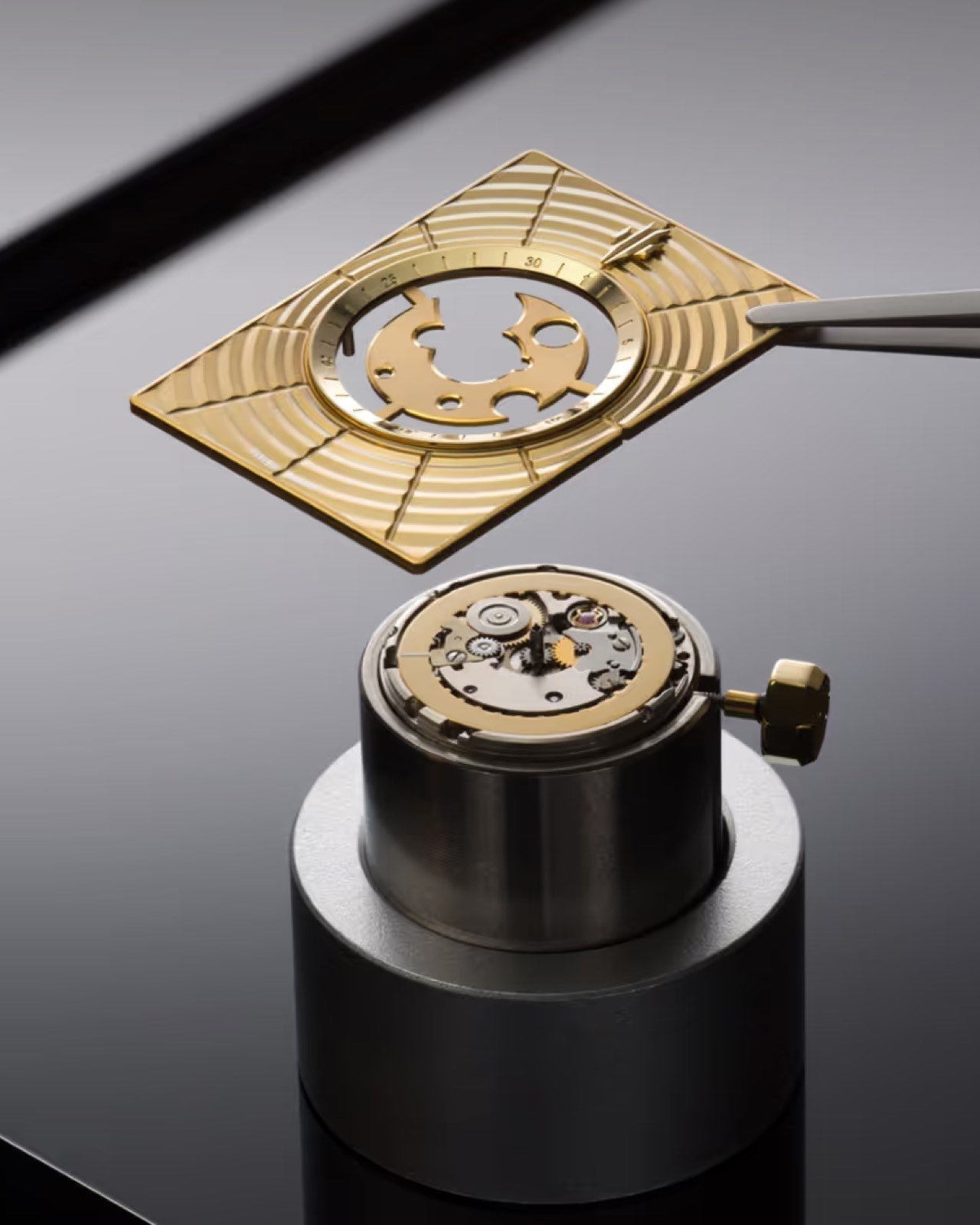
Explore The Making of VIEREN, a five-part series revealing Swiss Made watchmaking, modern design, and craftsmanship behind rectangular timepieces.