

What Is an Automatic Watch? Self-Winding Movements Explained
Automatic Watches Explained
Automatic watches are mechanical timepieces powered by the natural motion of your wrist, eliminating the need for a battery. Also known as self-winding watches, they use a rotating rotor to wind the mainspring and store the energy needed to keep time. In this guide, we'll explain what an automatic watch is, how self-winding movements differ from other watch types, and what to know about their history, care, and craftsmanship.
What You'll Learn
- What Is an Automatic Watch
- What Is an Automatic Watch Movement
- Do Automatic Watches Have Batteries
- Does an Automatic Watch Stop When Not in Use
- Automatic Watch Parts Explained
- The History of Automatic Watches
- Understanding Watch Movement Types
- Choosing the Right Automatic Watch for You
- Automatic Watch Maintenance Basics
- Best Swiss Automatic Watch Movements
- The Future of Automatic Watches
- Automatic Watches FAQ

1. What Is an Automatic Watch?
Automatic watches are powered by wrist motion, no batteries required. |
An automatic watch, or self-winding watch, is a mechanical timepiece that powers itself using the natural motion of your wrist. A rotating rotor converts movement into energy, winding the mainspring to keep the watch running. If not worn regularly, it can also be manually wound to restore its power reserve.
Automatic movement watches come in a variety of designs, including traditional round cases and more architectural rectangular styles that offer a distinctive wrist presence. The appeal of automatic watches lies in their seamless, battery-free operation. They offer the convenience of modern timekeeping with the artistry and engineering of traditional craftsmanship.
For an in-depth look, explore: How Do Automatic Watches Work? The Complete Guide.

2. What Is an Automatic Watch Movement?
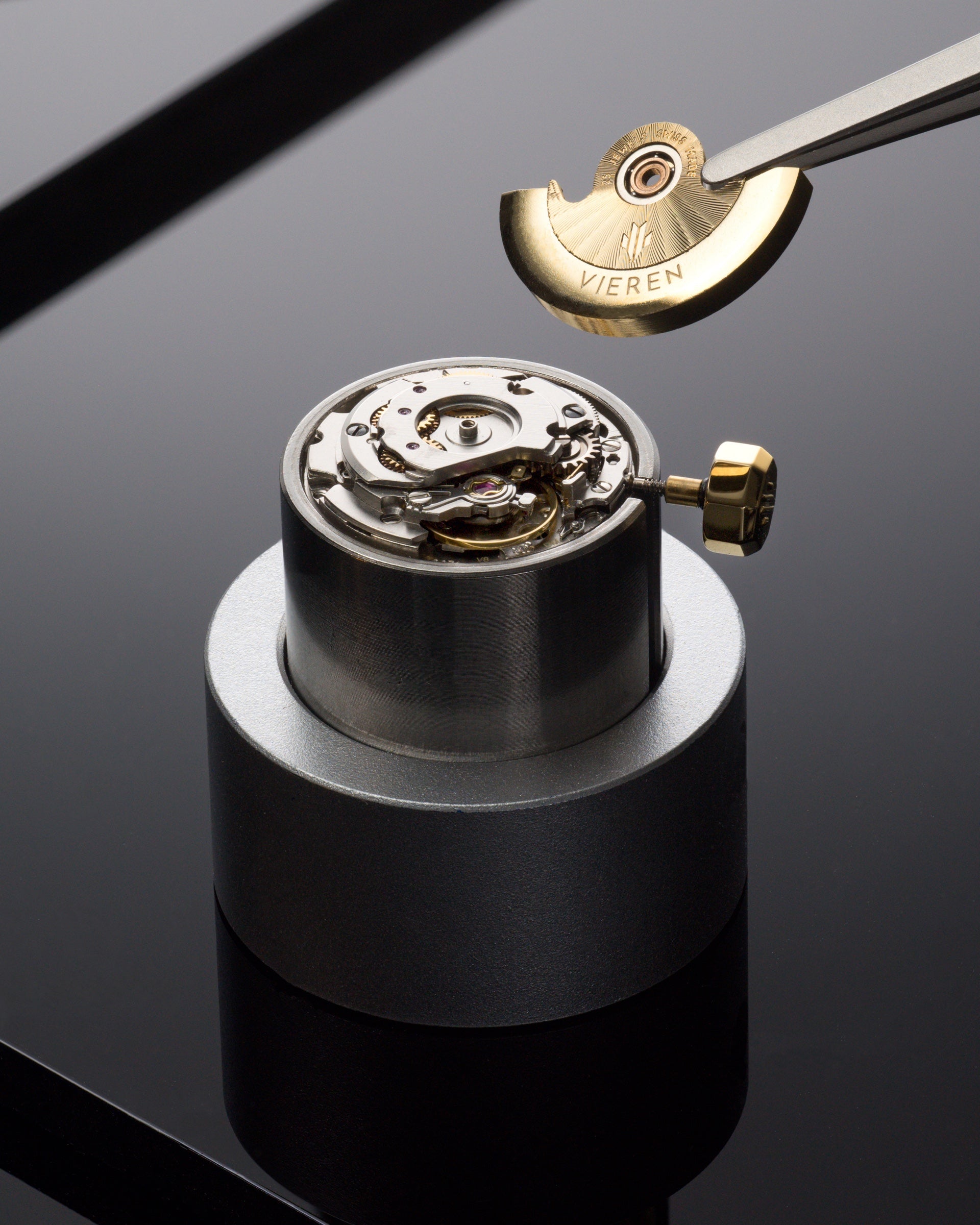
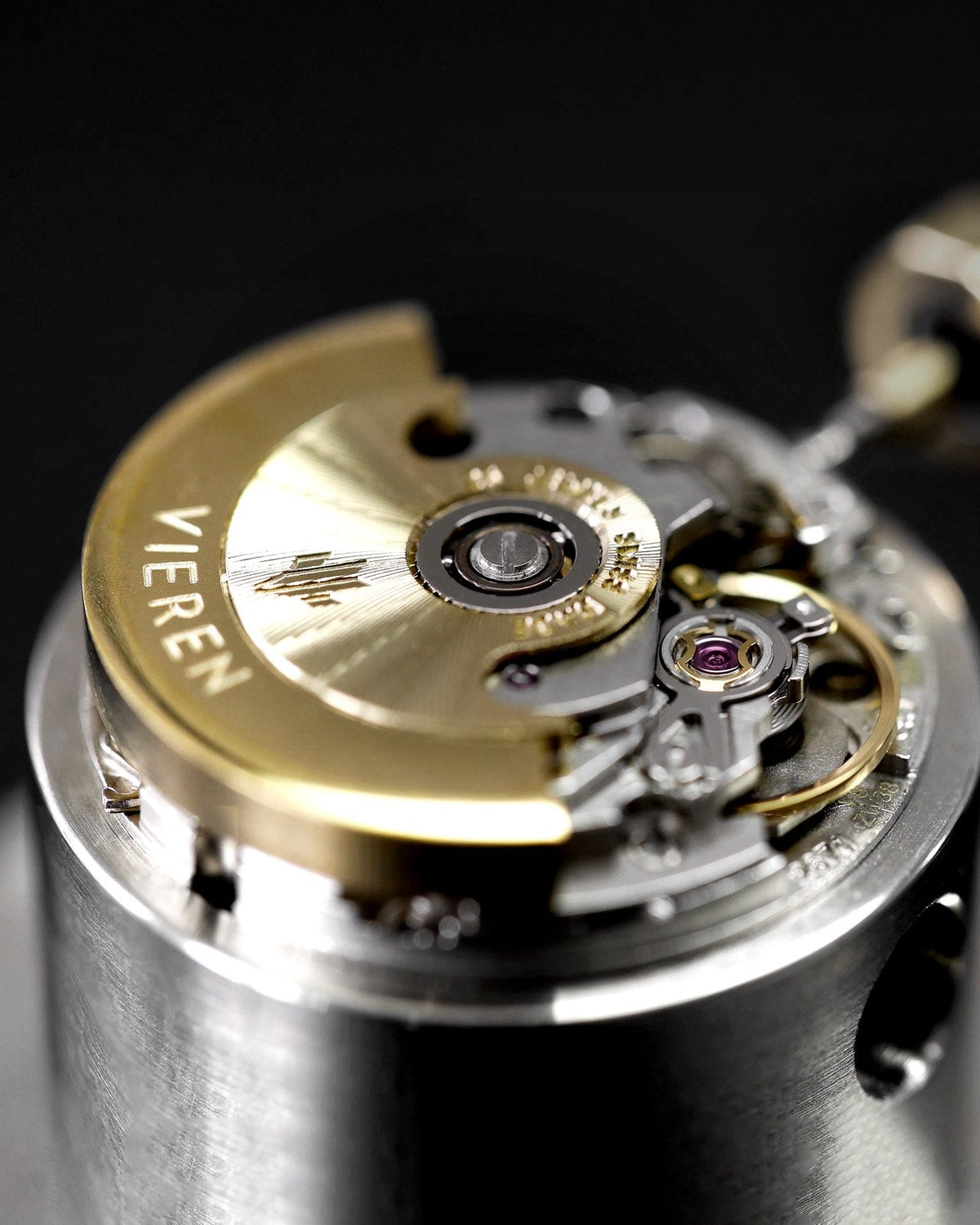
Inside an automatic watch movement is a rotor — a semi-circular weight that spins with wrist motion. This kinetic energy winds the mainspring, storing power that is gradually released in controlled increments to drive the watch hands and complications.
Automatic watches come in many variations, with mechanisms differing in construction, accuracy, power reserve, finishing, and features. Swiss Made movements have a long history in mechanical watchmaking and are used across many luxury and independent watch brands.
When well maintained, these self-winding movements can last for decades, which is why many collectors see them as both a practical tool and a lasting investment.
For a deep dive on watch movements: Automatic vs. Mechanical vs. Quartz Watch Movements Explained.

3. Do Automatic Watches Have Batteries?
Automatic watches do not require batteries because they are powered by motion rather than electronics. This sets them apart from quartz watches, which rely on battery-operated circuits and quartz crystals for accurate timekeeping.
In addition to their mechanical ingenuity, automatic watches are valued for their longevity and traditional craftsmanship. With appropriate care and servicing, a well-made mechanical movement can remain functional for decades.
If you’re new to automatic watches, check out our articles on How To Use An Automatic Watch to get started, or learn How To Wind An Automatic Watch to keep it running smoothly.

4. Does an Automatic Watch Stop When Not In Use?
Yes, automatic watches can stop when not worn. Because they rely on the movement of your wrist to stay powered, the mainspring will eventually unwind if the watch is left idle. Once its power reserve is depleted, the watch will stop until it’s worn again or manually wound. The exact running time varies by movement and model.
While daily wear isn’t essential, consistent use keeps the watch running smoothly and helps maintain time accuracy. If you rotate between timepieces or don’t wear your automatic regularly, a watch winder can keep it powered by simulating natural wrist movement.
Many enthusiasts enjoy the tactile ritual of winding and setting their watches; it’s all part of the charm of owning a mechanical timepiece.
Learn more in our article: Why Automatic Watches Stop – And How To Fix It.

5. Automatic Watch Parts Explained
An automatic watch is a finely crafted mechanical marvel, where each carefully engineered component works in harmony to measure time with precision. Understanding these watch parts and their functionality enhances your appreciation of the intricate engineering and artistry behind each timepiece.


6. The History of Automatic Watches
The story of the automatic watch is one of ingenuity, innovation, and timeless craftsmanship. From early mechanical experiments to the sophisticated movements of today, the evolution of self-winding watches reflects the enduring pursuit of horological excellence.

1770s: The First Self-Winding Movement
In 1776, Swiss watchmaker Abraham-Louis Perrelet invented the first self-winding movement, harnessing the natural motion of the human body to power a watch. Although this primitive version was large and needed frequent manual winding, it marked a groundbreaking innovation that set the foundation for the development of automatic watches.
1910s: Rising In Popularity
After World War I, wristwatches evolved from essential military tools into coveted personal accessories. Soldiers, accustomed to wearing timepieces on their wrists during the war, brought them back home as symbols of practicality and status. By the war’s end, wristwatches were no longer just functional; they had become staples of everyday life, blending practicality with elegance for mainstream society.
1920s: The First Automatic Wristwatch
In 1923, British watchmaker John Harwood introduced the world’s first automatic wristwatch. Known as the "bumper" watch, it featured a rotor that moved 180 degrees and only needed to be rewound every 12 hours. While it was bulky and imperfect, it represented a crucial step toward creating self-sustaining timepieces that could be worn daily.
1930s: The First Perpetual Movement
Building on the successes from the 1920s, innovation took a giant leap forward with the launch of the Rolex Oyster Perpetual in 1930. The updated rotor was now capable of rotating 360 degrees, allowing the watch to run continuously for over 24 hours. This iconic piece became a benchmark for reliability and performance, setting a new standard for automatic watch movements as a leader in luxury timepieces.
2020s: Today's Modern Timepieces
Today, Switzerland’s Watch Valley in the Jura Mountains remains the heart of the world’s finest automatic watch movements. Renowned heritage brands and forward-thinking independent watchmakers continue to push the limits of horological innovation.

7. Understanding Watch Movement Types
Similar to car engines, there are three distinct watch movement types. |
Luxury watches generally fall into three movement types: automatic watches wind themselves using wrist motion, mechanical watches require manual winding via the crown, and quartz watches use a battery and quartz crystal for precise timekeeping. Each has distinct characteristics and appeal for collectors.
Each watch movement type offers a different experience and suits different lifestyles. Automatic and mechanical watches attract enthusiasts who value craftsmanship and the tactile interaction with a finely tuned mechanism. Quartz watches provide reliable, low-maintenance accuracy but need battery changes every few years.
Here’s how they differ:
-
Automatic Watches: Require self-winding with wrist motion, offering convenience with mechanical ingenuity.
-
Mechanical Watches: Require manual winding, offering a hands-on connection to a hand-crafted movement.
- Quartz Watches: Require electronic batteries, offering accuracy with minimal upkeep and often a lower price point.
For a deep dive, read our full guide: Automatic vs. Mechanical vs. Quartz Watches: What's The Difference?

8. Choosing the Right Automatic Watch for You
Choosing the right automatic watch involves evaluating movement quality, brand reputation, durability, and design. A reliable movement ensures accuracy, while strong construction protects long-term performance. Design ultimately defines your style, and independent brands like VIEREN combine Swiss movements with distinctive case designs for a more unique alternative to mass-market luxury watches.
-
Movement Quality: Look for watches with high-quality movements, particularly from Swiss manufacturers, known for their precision and durability. A solid movement is the heart of any great automatic watch.
-
Case Shape: Case shape also plays an important role. While round watches are more common, rectangular automatic watches are prized for their refined, design-forward aesthetic, often associated with luxury dress timepieces.
-
Design: Your watch is an extension of your personal style. Whether you prefer classic or contemporary aesthetics, choose a design that complements your wardrobe and reflects your personality.
-
Brand Reputation: Established brands often offer superior craftsmanship, long-term reliability, and warranties that ensure peace of mind with your investment. Choose a brand with a history of excellence and customer satisfaction.
- Durability: Automatic watches should be built to withstand everyday wear. Look for features such as scratch-resistant sapphire crystals, water resistance, and robust cases to ensure longevity.
For expert advice on making your first purchase, check out our 9 Tips For Buying Your First Automatic Watch.

9. Automatic Watch Maintenance Basics
Proper maintenance keeps your automatic watch performing at its best. Regular servicing, careful cleaning, timely lubrication, and correct storage prevent wear and tear, maintain accurate timekeeping, and significantly prolong the lifespan of your Swiss luxury timepiece.
Follow these common automatic watch care tips:
-
Wear it Regularly: Automatic watches are powered by wrist movement. Wearing your watch daily ensures the rotor inside winds the mainspring, maintaining its power reserve and keeping it running.
-
Manual Winding: If your watch hasn’t been worn for an extended period, manually wind it to get it started again. This ensures the movement remains powered, and you avoid any issues when setting it.
-
Use a Watch Winder: If you don’t wear your watch every day, storing it in a watch winder is a great way to keep it ticking. A winder mimics wrist movement, so your watch stays powered without the need for manual winding.
- Professional Servicing: To keep your automatic watch in peak condition, have it professionally serviced every 3–5 years. Regular servicing can include inspection, cleaning, lubrication, and adjustment to help maintain performance and prevent excessive wear.
For more detailed care instructions, read our Automatic Watch Care Guide.

10. Best Swiss Automatic Watch Movements
Swiss automatic movements are the global gold standard for quality. |
Regarded as the pinnacle of luxury watchmaking, Swiss Made automatic movements are prized for their exceptional craftsmanship, precision, and reliability. When evaluating a movement, consider power reserve, jewel count, and other performance factors that influence accuracy and longevity. These factors ensure the movement's reliability, helping the watch function accurately over time.
There are several leading Swiss movement manufacturers, including ETA and Sellita:
-
ETA Movements: Part of the Swatch Group, ETA automatic movements are among the most trusted names in Swiss watchmaking. Their mechanisms are known for their reliability, robustness, and accuracy, making them a popular choice for luxury and everyday timepieces alike.
-
Sellita Movements: Another respected Swiss brand, Sellita produces movements known for their reliability and performance. Sellita movements are often found in high-end luxury watches and are praised for their precision and smooth operation.
Discover the Best Swiss Automatic Watches For Men & Women and see how these movements perform in real-world timepieces.

11. The Future of Automatic Watches
The evolution of automatic watches is being shaped not only by legacy brands but also by independent watchmakers who are redefining the industry with modern designs and a strong commitment to sustainability.
New up-and-coming brands like VIEREN are bringing fresh perspectives to the craft, focusing on limited editions, high-quality Swiss movements, and eco-conscious materials. By blending tradition with innovation, this new wave of watchmakers ensures that the art of mechanical timekeeping continues to evolve, appealing to today’s discerning collectors and future generations.

|
Automatic Watches FAQWhat is an automatic watch?
|
SummaryAutomatic watches reflect the art of horology, combining precision, craftsmanship, and mechanical innovation. Powered by your wrist’s natural motion, they represent centuries of watchmaking tradition. Whether you're a seasoned collector or new to horology, they offer timeless engineering and enduring appeal. Explore VIEREN Swiss Made automatic watches and experience a more distinctive approach to modern luxury timekeeping.
|
Jess Chow, VIEREN Founder and CEO
Jess Chow is the Founder and CEO of VIEREN, a Swiss Made automatic watch brand creating modern rectangular timepieces. As Canada’s first female founder of a luxury watch brand, she blends her family’s horology heritage with contemporary design and Swiss craftsmanship.

The VIEREN Automatic Watch Guide
By downloading, you agree to our Privacy Policy
explore more
Discover VIEREN automatic rectangular watches for men and women, with Swiss Made ETA 2671 movements, skeleton dials and limited edition designs.
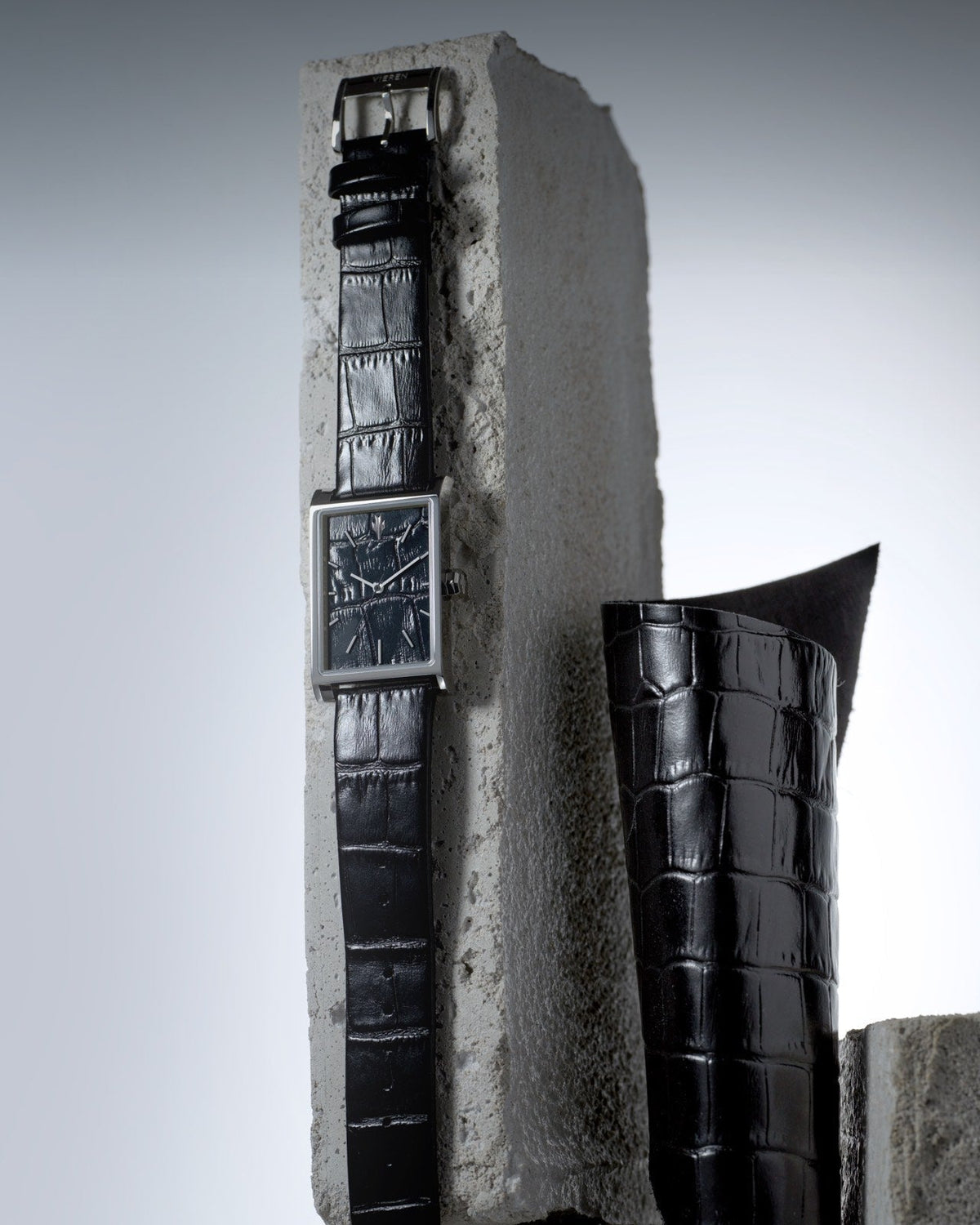
Discover VIEREN leather rectangular watches for men and women, with Swiss Made automatic movements, leather dials and limited edition designs.
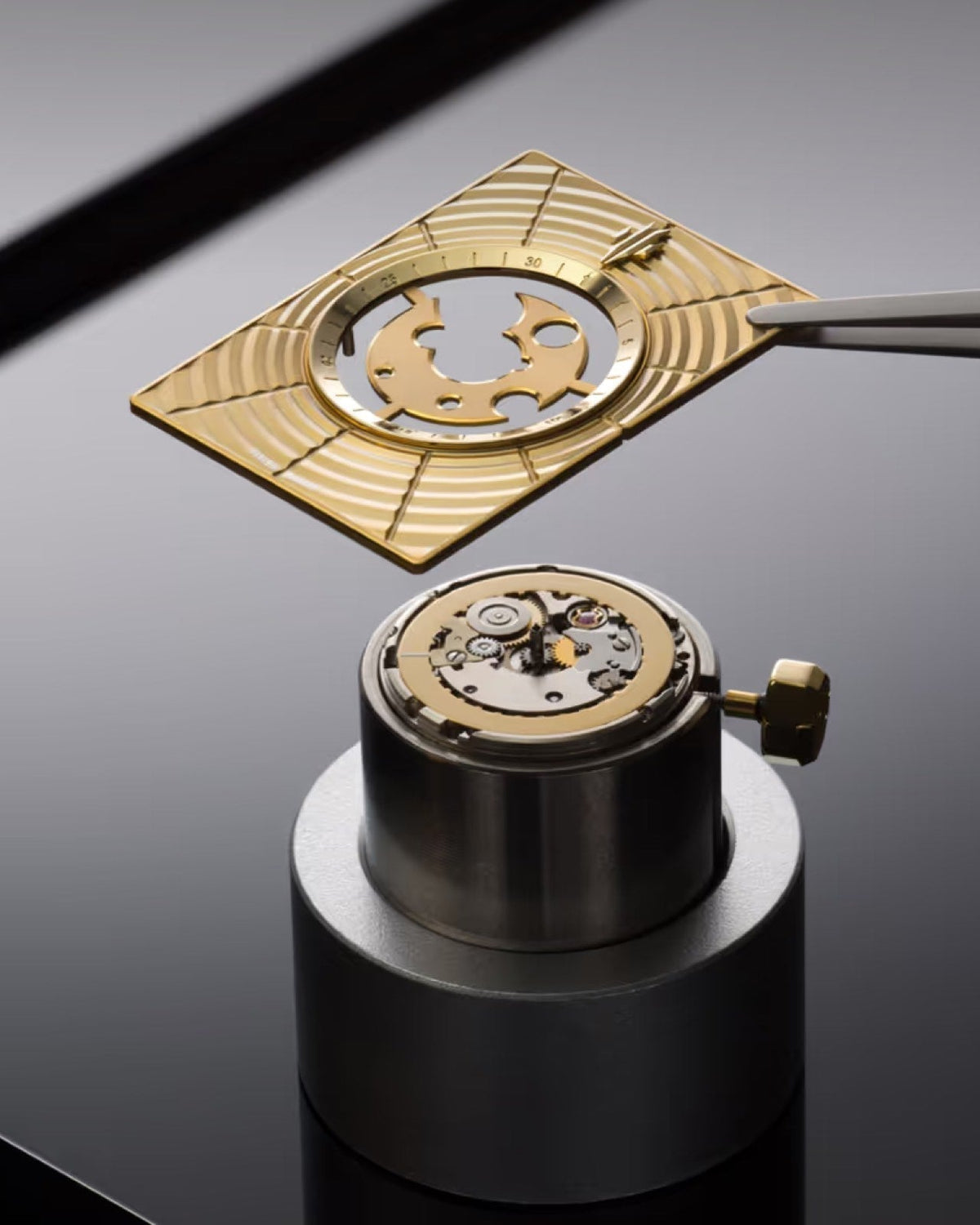
Discover what Swiss Made means for VIEREN luxury watches, from ETA automatic movements to craftsmanship in La Chaux-de-Fonds, Switzerland.
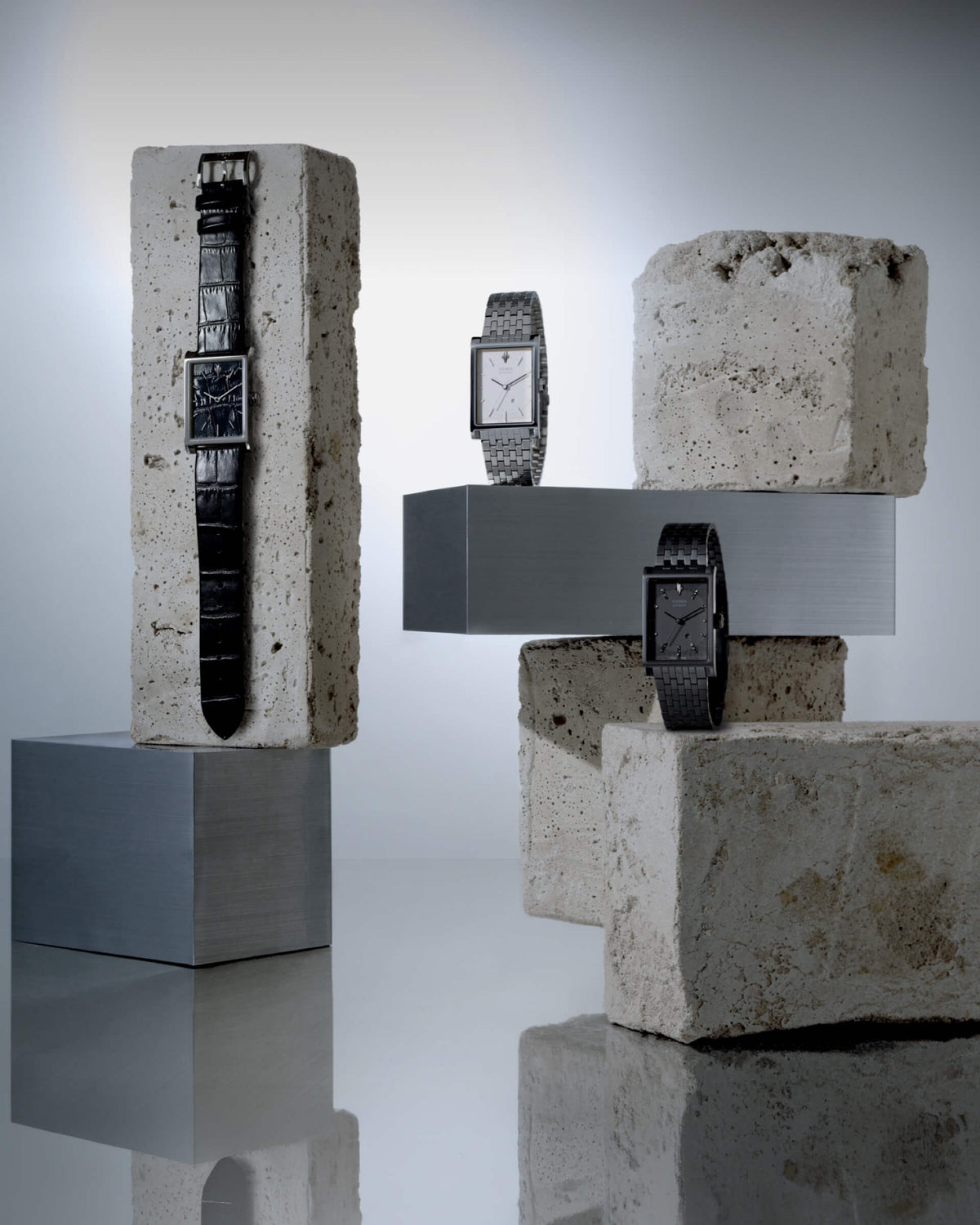
Find out how modern architecture inspires VIEREN’s luxury rectangular watches. Discover sculptural timepieces merging design with Swiss craftsmanship.