


How to Use an Automatic Watch: A Beginner’s Luxury Watch Guide
Operating Your Automatic Watch
An automatic watch is powered by wrist movement — no batteries, no charging required — just the natural rhythm of motion. Wearing, winding, and maintaining a Swiss automatic watch requires a bit of know-how. Whether this is your first automatic timepiece or you’re learning proper watch care, this guide shows you how to keep the self-winding watch movement running beautifully for years.
What You'll Learn
- What to Expect with an Automatic Watch
- Manually Winding Your Automatic Watch
- How to Start an Automatic Watch for the First Time
- How Long Do Automatic Movement Watches Last
- Is It OK If a Self-Winding Watch Stops
- Manual Winding vs. Wrist Power vs. Watch Winder
- When Is an Automatic Watch Fully Wound
- Should You Shake a Self-Winding Watch
- Common Automatic Watch Mistakes
- Getting the Most From Your Automatic Watch
- How to Use Automatic Watches FAQ

1. What to Expect with an Automatic Watch
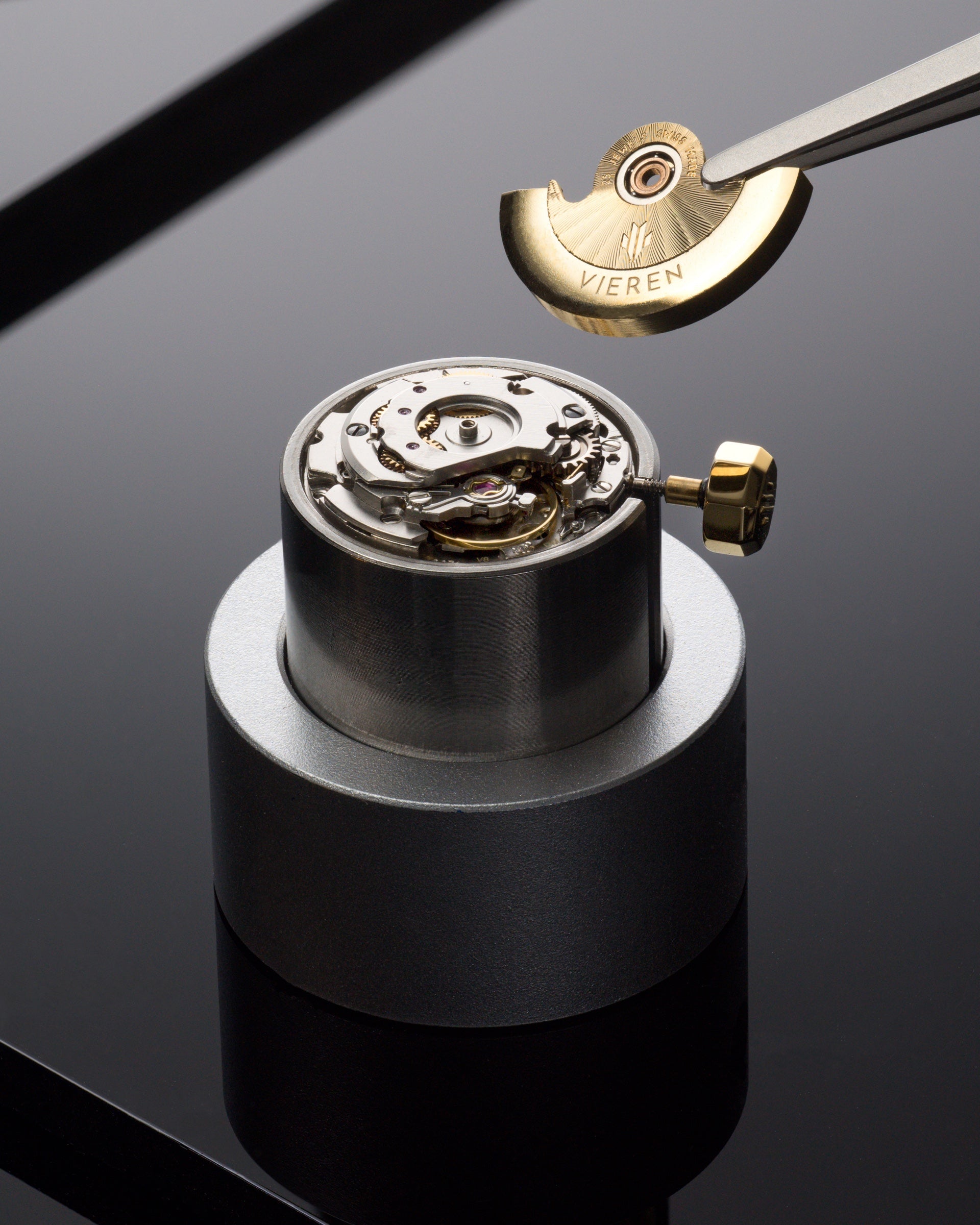
Automatic watch movements are powered by a rotor with daily wear. |
When you first hold an automatic self-winding watch, you’ll feel the difference. The smooth sweep of the second hand, the faint mechanical hum, and the solid weight on your wrist are all signs of the intricate craftsmanship inside.
Unlike battery-powered quartz watches, if an automatic movement is left unworn for too long, the watch will stop. This is completely normal — automatic movements store energy from your motion. When that motion stops, so does the watch.
For a deep dive on different watch movement types, read our article: Automatic vs. Quartz vs. Mechanical: Watch Movements Explained.

2. Manually Winding Your Automatic Watch
Automatic watches are designed to wind themselves through wrist motion, but they sometimes need a manual boost to maintain a full power reserve. This is especially important if the watch hasn’t been worn consistently, or if it’s part of a rotation with other watches. Regular manual winding helps keep the movement active, ensures accurate timekeeping, and prolongs the life of your watch.
Here are some quick tips for regular winding:
-
Remove The Watch From Your Wrist: This avoids pressure on the crown stem.
-
Unscrew The Crown: If applicable, turn it counterclockwise until it releases.
-
Wind The Crown: Turn it clockwise ~30 times. You’ll feel slight resistance as the mainspring tightens. Stop when fully wound—forcing it could damage the mechanism
-
Don’t Pull The Crown Out: Only wind from the first position.
- Screw The Crown Down: Push the crown back in to preserve water resistance.
For a detailed step-by-step guide, read our article on: How To Wind an Automatic Watch.

3. How to Start an Automatic Watch for the First Time
If your automatic watch is brand new or has stopped completely due to inactivity, you’ll need to manually start it before wearing. This initial winding sets the mainspring in motion and gets your timepiece ticking. Once started, wearing your watch regularly will keep it running automatically. For watches not worn daily, occasional manual winding ensures the power reserve stays full.
Curious to dive deeper? Check out our complete guide on: How Do Automatic Watches Work.

4. How Long Do Automatic Movement Watches Last?
Automatic watches are powered by a rotor that spins as your wrist moves. Wearing your watch 8–10 hours daily usually keeps it fully wound, but less wrist motion may cause it to stop overnight. With proper care and regular servicing, a quality automatic watch can last decades, often becoming a long-term heirloom.
Learn ideal service timing, what happens during servicing, and how to protect your luxury timepiece in our guide: How Often Should You Service a Luxury Automatic Watch?

5. Is It OK If a Self-Winding Watch Stops?
An automatic watch will stop if it hasn’t been worn or moved enough. |
Automatic watches rely on the natural motion of your wrist to keep the mainspring wound and the movement running. If your wrist isn’t in motion for extended periods — such as during sedentary activities like working at a desk or sleeping — the watch may stop. This common scenario is sometimes called “desk diving.”
Other factors, like a loose strap or bracelet that doesn’t move enough on your wrist, can also reduce the efficiency of the winding mechanism, making it more likely for the watch to stop. So, if your watch stops, it’s not a sign of a problem — just a reminder to wind it or wear it regularly to maintain its accuracy and functionality.
Learn more in our article: Why Automatic Watches Stop – And How To Fix It.

6. Manual Winding vs. Wrist Power vs. Watch Winder
Automatic movements rely on the motion of your wrist to stay powered, but manual winding offers several advantages. It’s a great way to get your watch started after downtime or to ensure a full wind for optimal accuracy. Watch winders offer a third option, keeping your watch running even when it’s off your wrist.
The best approach? Use a combination. Wind manually when it’s been sitting, wear it throughout the day, and use an automatic watch winder if you rotate between timepieces.
Manual Winding Benefits |
Wrist Power Benefits |
Watch Winder Benefits |
| ✓ Gets the watch started if it’s stopped | ✓ Convenient and hands-free | ✓ Keeps the watch running when not worn |
| ✓ Ensures a full power reserve for accuracy | ✓ Powered by your natural movement | ✓ Preserves date and moon phase features |
| ✓ Helpful if you don’t wear your watch daily | ✓ Maintains its self-winding nature | ✓ Ideal for collectors with multiple watches |

7. When Is an Automatic Watch Fully Wound?
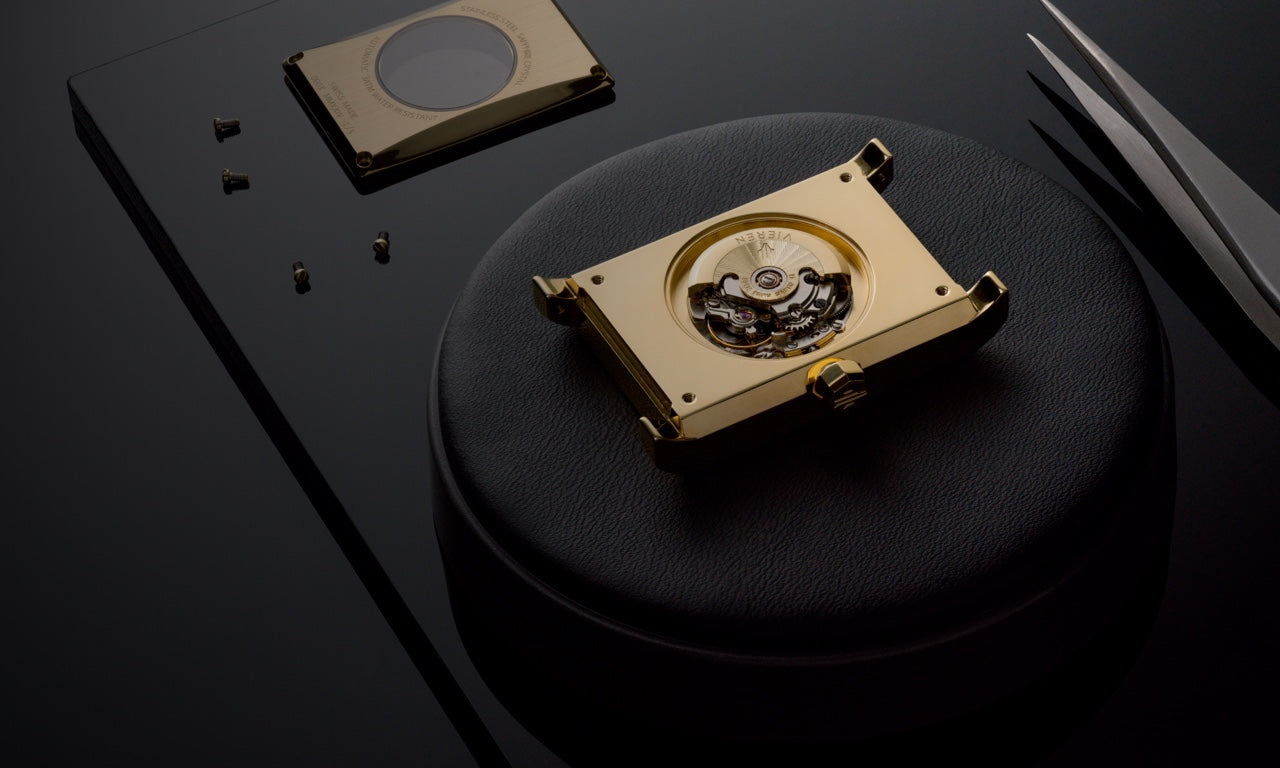
Automatic watch movements have built-in slipping clutches to prevent overwinding, but it's still best to stop winding once you feel increasing resistance — typically after about 30 clockwise turns. If your watch has an open exhibition caseback, you might catch a glimpse of the rotor and other components in action, which is a nice visual cue that the watch is fully functional.
-
Check The Power Reserve:The ETA 2671 automatic movement used in VIEREN timepieces deliver up to 44 hours of power reserve, meaning your watch will maintain accurate timekeeping for nearly two days off the wrist
-
Signs It’s Fully Wound: The crown will become stiffer to turn, and the seconds hand will move smoothly and instantly. These are signs that your watch is fully wound and functioning at its best.
- Continuous Winding: There’s no additional benefit to winding beyond the point of resistance. Overwinding won’t increase the power reserve or accuracy, so stop once you feel resistance.

8. Should You Shake a Self-Winding Watch?
It’s a common myth that shaking your automatic watch will help start it, but this is NOT recommended. The internal rotor is designed to move with natural wrist motion, and sudden or forceful movements can damage the delicate mechanics inside.
✓ Gently rock it from side to side (like turning a doorknob) for 30 seconds, if needed.
✓ Prefer manual winding over shaking for consistent, safe power.
✗ Avoid tapping, flicking, or rapidly spinning the watch — it’s a precision instrument, not a toy.

9. Common Automatic Watch Mistakes
Owning an automatic watch is a rewarding experience, but it does come with a learning curve. To help you protect your timepiece and ensure it performs at its best, here are some of the most common mistakes new owners make and how to avoid them:
✗ Winding on Your Wrist: Always remove the watch before winding to avoid strain on the mechanism.
✗ Overwinding the Movement: Stop winding when you feel increased resistance — this means the mainspring is fully charged.
✗ Setting the Date at Night: Never set the date between 9pm and 3am — this is when the internal gears are active and prone to damage.
✗ Leaving It Unworn Too Long: Wind it every few weeks if stored, as prolonged inactivity can degrade lubricants.
✗ Neglecting Servicing: Service your watch every 3–5 years to keep it running smoothly for decades.
✗ Wearing During Sports or Sleep: Avoid wearing your watch during high-impact activities or sleep unless it’s rated for such conditions.

10. Getting the Most From Your Automatic Watch
With the right habits, an automatic watch becomes more than a timekeeper—it becomes part of your daily rhythm. Owning an automatic watch is about more than function—it’s about connection. With regular wear, occasional winding, and proper care, your watch will deliver reliable performance while developing character over time.
From the smooth sweep of the seconds hand to the craftsmanship visible through the caseback, every detail reflects the artistry behind mechanical watchmaking. Treated well, an automatic watch can last for decades—becoming a personal statement, a daily companion, and even a future heirloom.
Explore our 9 Tips for Buying Your First Automatic Watch to find your perfect timepiece.

|
How to Use Automatic Watches FAQHow long should I wear my automatic watch daily?
|
|
SummaryLearning how to use an automatic watch is more than mastering a few technical steps. It’s about building a connection with a mechanical timepiece designed to last for generations. By understanding how it works, winding it properly, wearing it consistently, and avoiding common mistakes, you can protect its performance while appreciating the craftsmanship and engineering behind every movement. Explore VIEREN Swiss Made automatic watches — where Swiss precision, modern architecture, and timeless mechanical craftsmanship come together.
|
Jess Chow, VIEREN Founder and CEO
Jess Chow is the Founder and CEO of VIEREN, a Swiss Made automatic watch brand creating modern rectangular timepieces. As Canada’s first female founder of a luxury watch brand, she blends her family’s horology heritage with contemporary design and Swiss craftsmanship.

The VIEREN Automatic Watch Guide
By downloading, you agree to our Privacy Policy
explore more
Discover why Swiss Made watches define luxury horology and how VIEREN celebrates Swiss craftsmanship in every limited edition rectangular timepiece.
Find out how modern architecture inspires VIEREN’s luxury rectangular watches. Discover sculptural timepieces merging design with Swiss craftsmanship.

Explore how art, fashion, and culture shape luxury watch design. Discover VIEREN’s Swiss Made rectangular watches and modern approach to horology.
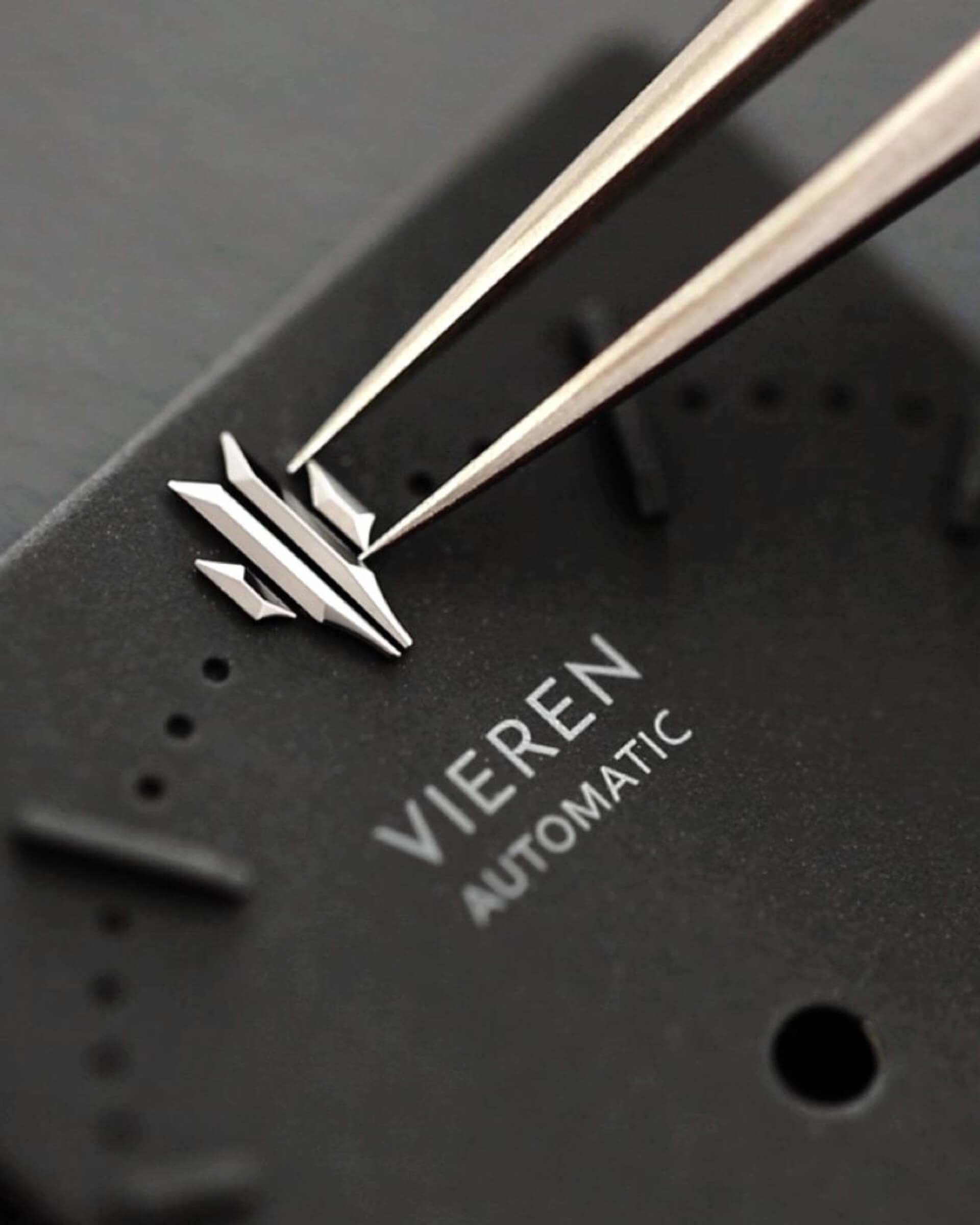
Explore The Making of VIEREN, a five-part series revealing Swiss Made watchmaking, modern design, and craftsmanship behind rectangular timepieces.