

Top 5 Signs Your Automatic Watch Needs Servicing
Protect Your Watch with Professional Servicing
Swiss automatic watches are marvels of precision engineering, designed to keep ticking through decades of wear. But even the best require regular maintenance. Neglecting your self-winding timepiece can lead to loss of accuracy, damage to internal parts, and expensive repairs down the road. In this guide, learn how to spot the key signs that your luxury watch may need professional care and what habits could be causing hidden damage.
What You'll Learn
- Why Servicing Matters for Mechanical Watches
- Top 5 Signs Your Automatic Watch Needs Servicing
- Quick At-Home Tests for Swiss Watch Health
- When to Service Your Automatic Watch
- Five Habits Harming Your Self-Winding Watch
- Tips to Extend Your Watch’s Life Between Servicing
- When Servicing Becomes Repair: Know the Difference
- Automatic Watch Servicing FAQ

1. Why Servicing Matters for Mechanical Watches
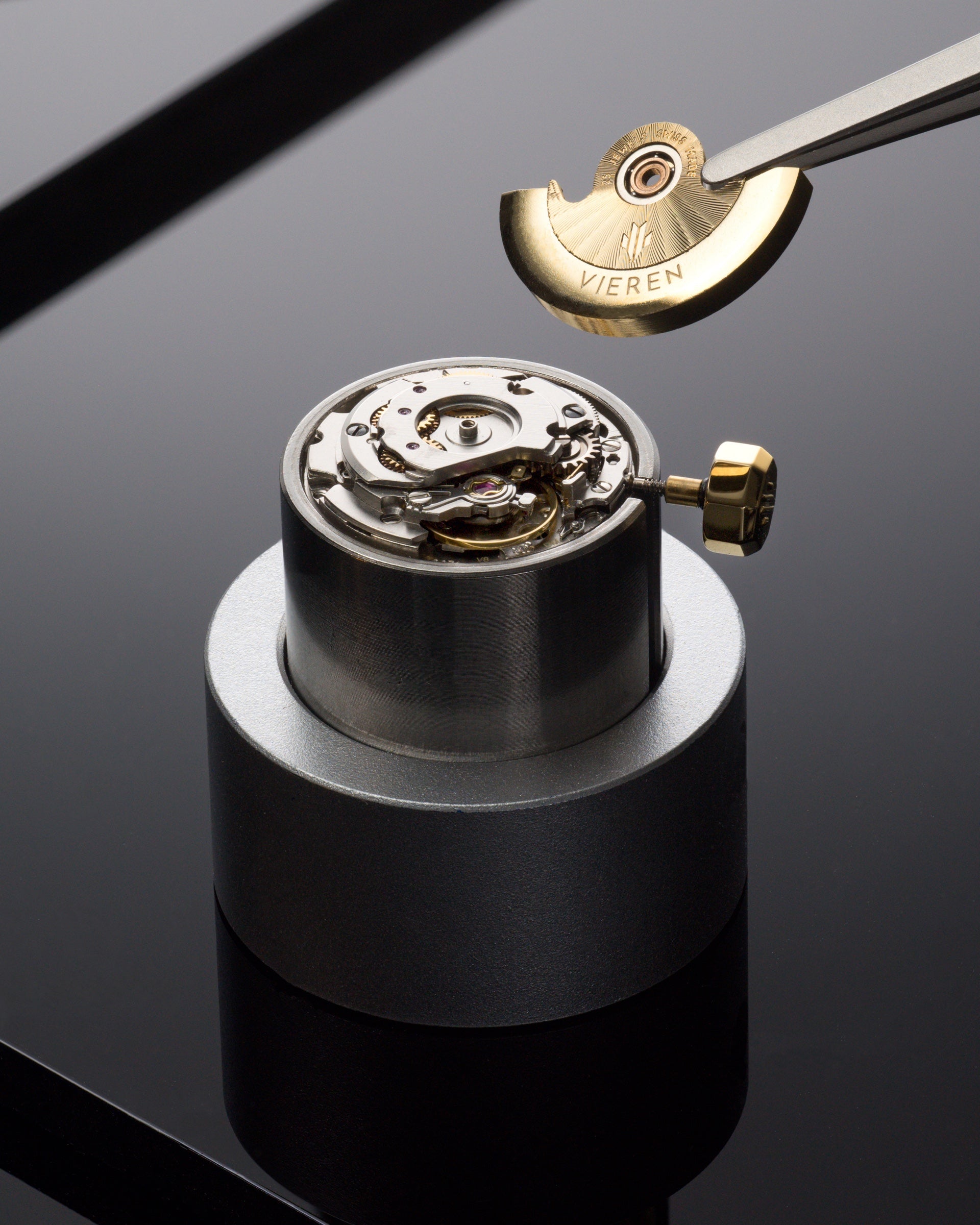
Automatic watches are powered by hundreds of tiny mechanical components working in perfect harmony to tell time. |
Over time, the oils in your automatic watch movement that lubricate these parts degrade, and friction starts to wear them down. Without routine maintenance, the performance of your timepiece suffers—and the risk of permanent damage increases.
Regular servicing ensures:
- Lubrication stays effective, reducing wear
- Gaskets are replaced, keeping water and dust out
- Proper lubricating oil and smooth running of movement parts
- Timekeeping remains accurate and reliable
- The value of your watch is preserved over time
Need a refresher on how automatic watch movements? Explore our article: How Do Automatic Watches Work? The Complete Guide.

2. Top 5 Signs Your Automatic Watch Needs Servicing
While some signs are obvious, others may be subtle and easily missed. The five issues below are the most common indicators that your watch is overdue for service—and catching them early could save your timepiece from more serious damage.
-
It’s Losing or Gaining Significant Time: While a few seconds of variation per day is normal, consistent deviation of over one minute per day signals an issue. This could stem from worn parts, dried lubricants, or magnetization.
-
It Stops Even When Worn Daily: Automatic watches are designed to stay powered through wrist movement. If your watch stops after regular wear, the power reserve may not be functioning properly or the rotor may be misaligned.
-
The Crown Feels Stiff or Sticky: Difficulty in winding your watch or setting the time suggests internal friction or dust buildup. A clean and lubricated movement ensures smooth crown operation.
-
You Hear Unusual Sounds: Clicks, rattles, or grinding noises aren’t normal. These could mean loose parts or debris in the movement—both of which can cause damage if ignored.
- It Hasn’t Been Serviced in 3–5 Years: Even if everything seems fine, professional servicing every 3 to 5 years is recommended to prevent long-term wear and tear. It’s like an oil change for your car—preventative care is key.
Learn more in our article: Why Automatic Watches Stop – And How To Fix It.

3. Quick At-Home Tests for Swiss Watch Health
Not sure if your watch needs servicing yet? These simple tests can help assess its health before sending it in. They won’t replace professional diagnostics, but they’re a great way to identify problems early.
-
Timekeeping Test: Track your watch’s accuracy over 24 hours using an app or atomic clock.
-
Power Reserve Test: Fully wind your watch and let it sit to check if it meets its expected reserve (typically 38–42 hours).
- Magnetism Test: Move a compass around your watch. If the needle jumps, your watch may need demagnetizing.

4. When to Service Your Automatic Watch
Every 3–5 years is the general rule for most high-quality Swiss automatic watches. However, if your watch experiences frequent use, exposure to moisture, extreme temperatures, or shock, you may want to schedule service more frequently.
For an in-depth exploration, discover our article: How Often Should You Service an Automatic Watch.

5. Five Habits Harming Your Self-Winding Watch
You may be unknowingly damaging your timepiece through daily routines. These common habits can speed up wear and reduce lifespan.
-
Setting the Time Backwards: Winding the watch movement in the opposite direction can cause the mainspring to become misaligned.
-
Setting the Date During Mechanism Changes: Changing the date during the mechanism changing window between 9pm and 3am can damage the calendar mechanism.
-
Exposing to Strong Magnets: Electronics like phones, tablets, and speakers can magnetize the movement, affecting timekeeping.
-
Letting It Sit for Too Long: Unused watches can suffer from oil coagulation, leading to increased friction.
- Getting It Wet Without Testing: Water resistance fades over time. Always check seals annually if your watch comes into contact with moisture.
Learn more tips in: Essential Dos and Don’ts for Automatic Watch Care.

6. Tips to Extend Your Watch’s Life Between Servicing
With a few proactive steps, you can extend the lifespan of your watch and reduce how often it needs professional servicing. These habits support long-term performance and preserve the internal movement.
✓ Wind it regularly—even if not worn daily
✓ Avoid strong magnetic fields (phones, speakers, laptops)
✓ Store in a watch box or automatic watch winder >when not in use
✓ Keep it away from water unless rated for waterproofing
✓ Clean the case and bracelet gently with a microfibre cloth
For everyday maintenance tips, read our guide: How To Care For Your Luxury Automatic Watch: 10 Essential Tips.

7. When Servicing Becomes Repair: Know the Difference
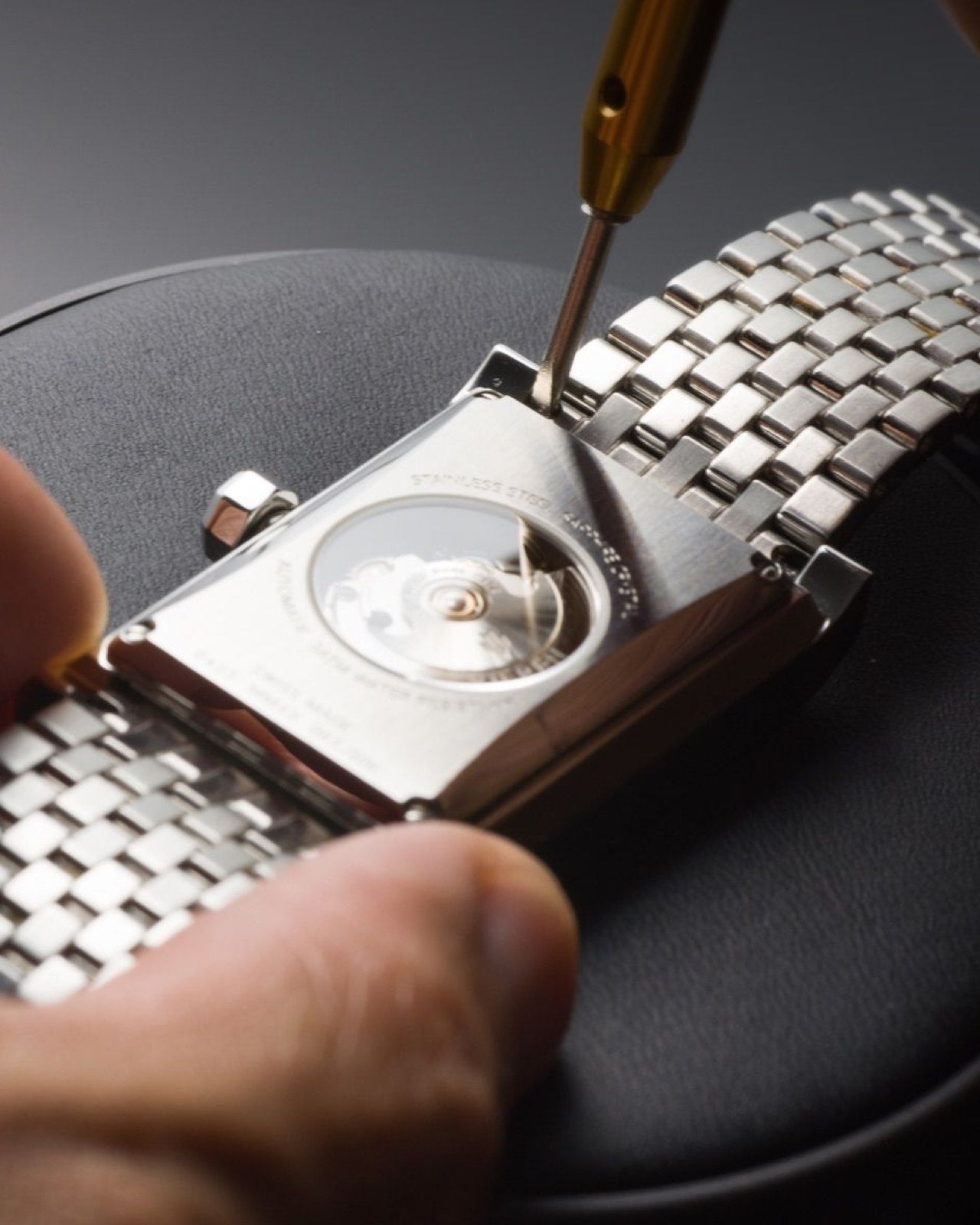
Even with regular care, accidents happen, and sometimes your watch needs more than a routine service. Professional watch repair differs from standard servicing in that it addresses specific damage or mechanical failures. If your automatic watch suddenly stops, runs unusually fast or slow, or experiences mechanical issues despite recent servicing, it may need diagnostic repair by a certified watchmaker.
Early detection saves you from more expensive complications down the line. Common reasons for watch repair include:
- Impact damage from drops or hard knocks
- Water intrusion after gasket failure
- Magnetized movement causing erratic timekeeping
- Broken rotor or worn gears
- Power reserve no longer holding a charge

|
Automatic Watch Servicing FAQWhy does my automatic watch stop even when I wear it daily? Is it normal for my automatic watch to gain or lose time? Can I delay servicing if my self-winding watch seems fine? Will servicing affect the value of my luxury watch? How long does professional watch servicing take?
|
SummaryIf your automatic watch is losing time, stopping intermittently, or hasn’t been serviced in years, it may be time for professional care. Servicing is more than maintenance—it is preservation. By recognizing early signs of wear and caring for your timepiece proactively, you can protect its performance, value, and beauty for generations. At VIEREN, every Swiss Made timepiece is crafted to endure, reflecting the precision, craftsmanship, and lasting legacy of true luxury watchmaking.
|
Jess Chow, VIEREN Founder and CEO
Jess Chow is the Founder and CEO of VIEREN, a Swiss Made automatic watch brand creating modern rectangular timepieces. As Canada’s first female founder of a luxury watch brand, she blends her family’s horology heritage with contemporary design and Swiss craftsmanship.

The VIEREN Automatic Watch Guide
By downloading, you agree to our Privacy Policy
explore more
Discover why Swiss Made watches define luxury horology and how VIEREN celebrates Swiss craftsmanship in every limited edition rectangular timepiece.
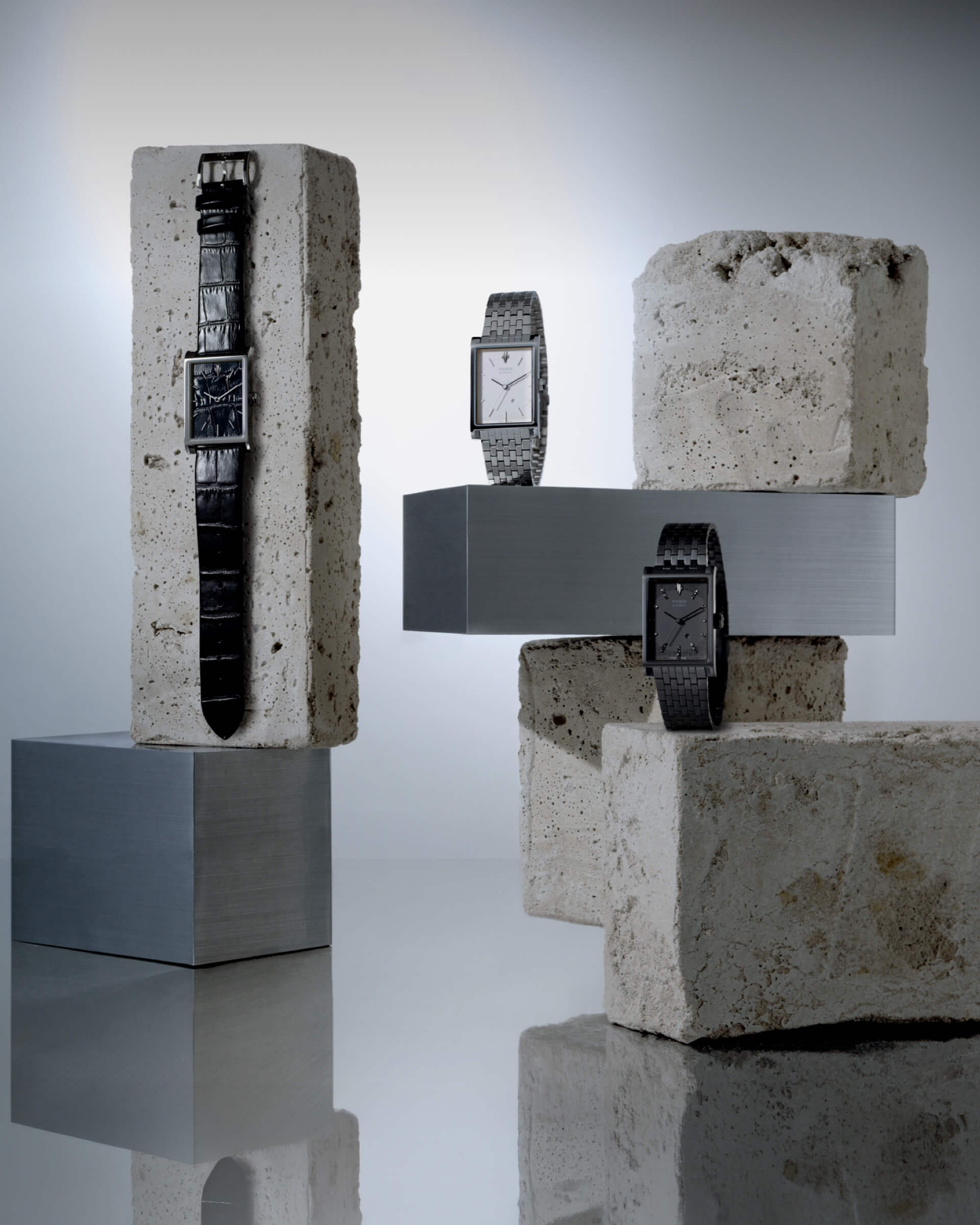
Find out how modern architecture inspires VIEREN’s luxury rectangular watches. Discover sculptural timepieces merging design with Swiss craftsmanship.

Explore how art, fashion, and culture shape luxury watch design. Discover VIEREN’s Swiss Made rectangular watches and modern approach to horology.
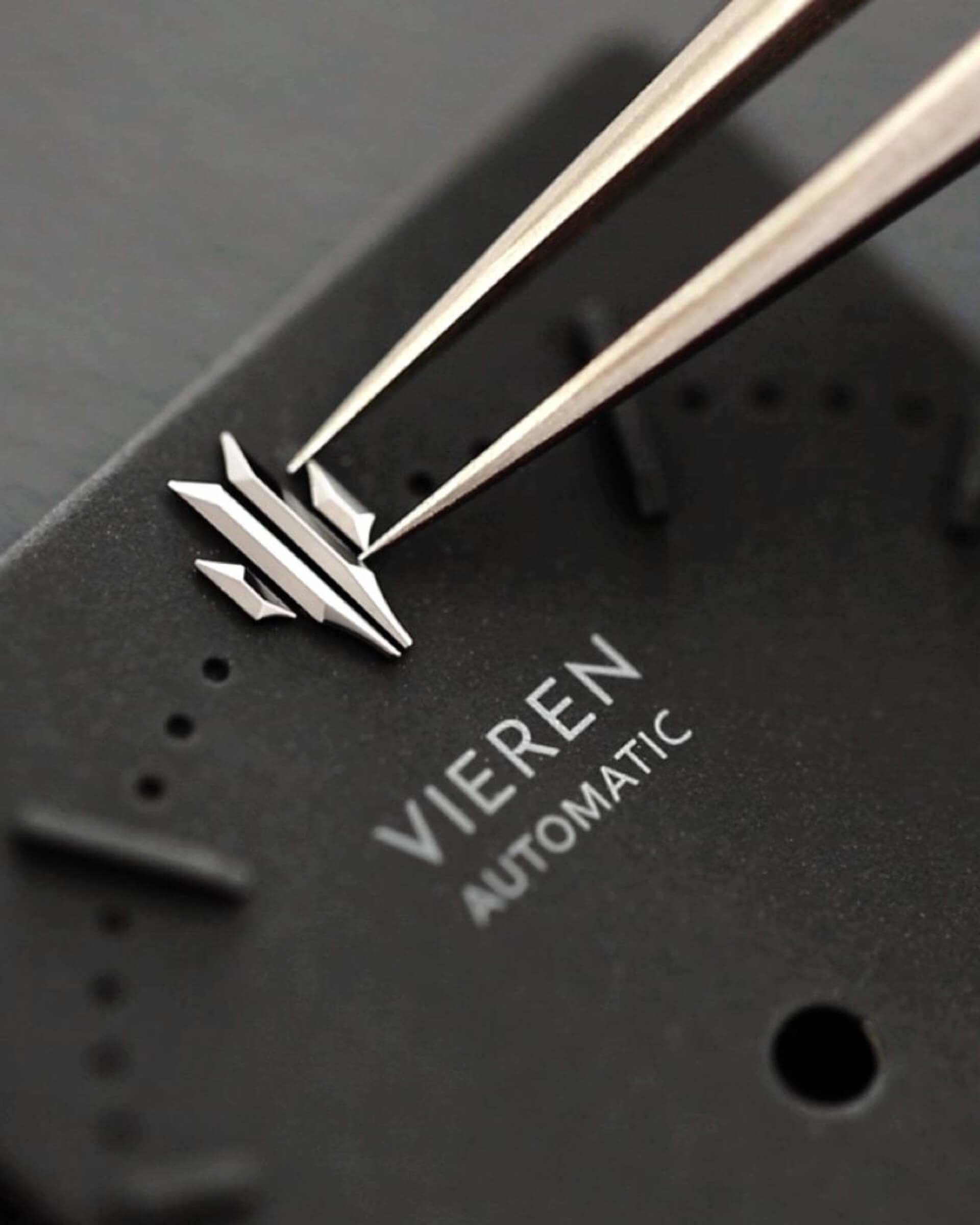
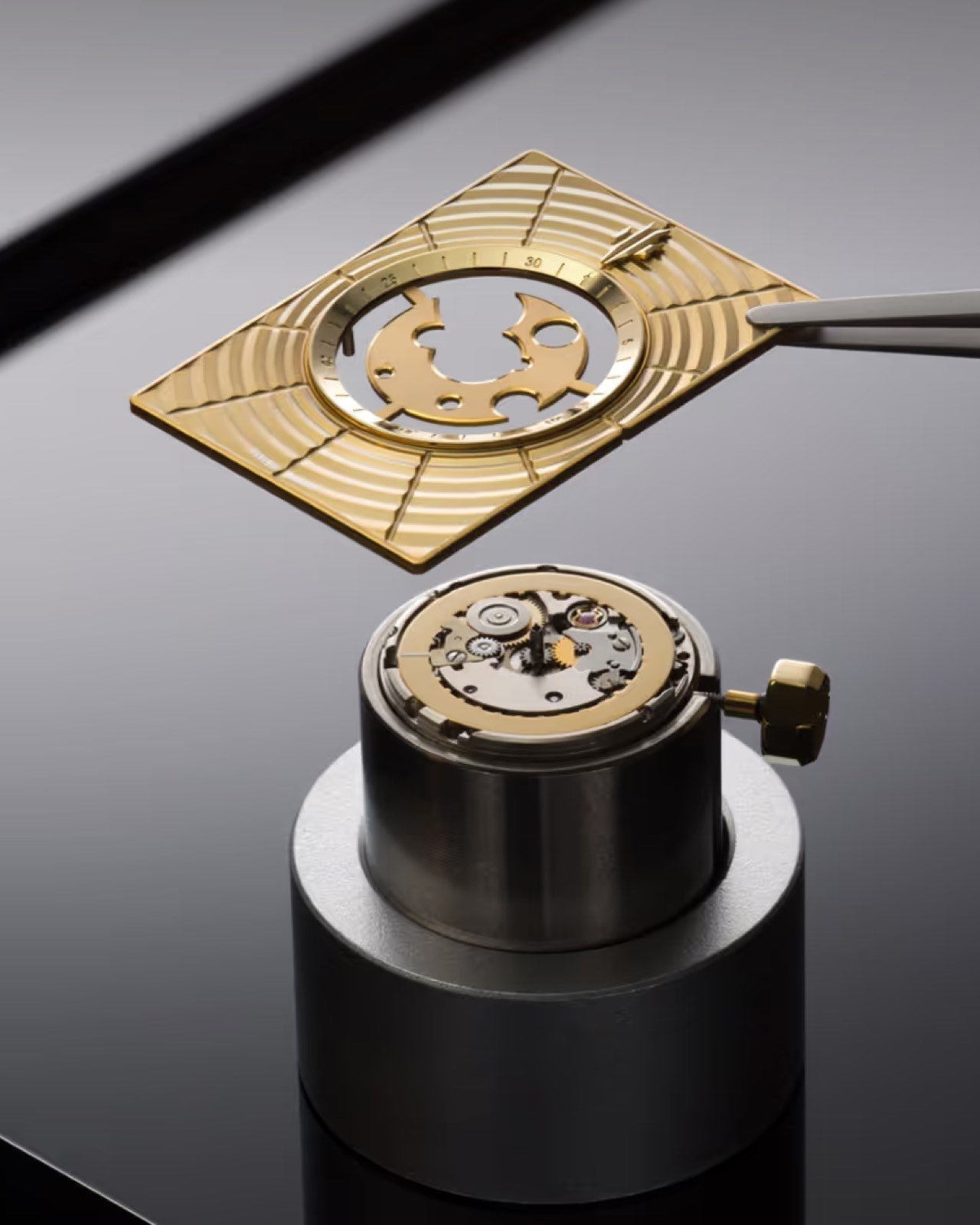
Explore The Making of VIEREN, a five-part series revealing Swiss Made watchmaking, modern design, and craftsmanship behind rectangular timepieces.