

Why Your Automatic Watch Stops — And How to Fix It Fast
What Causes Automatic Watches to Stop
Automatic watches are powered by the movement of your wrist, but even a finely tuned Swiss Made timepiece can stop when its power reserve runs out or requires maintenance. In this guide, you’ll learn why automatic watches stop, how to restart them, and how to keep your self-winding movement running accurately.
What You'll Learn
- Top Reasons Your Automatic Watch May Stop
- Why Self-Winding Watches Stop at Night
- How to Prevent Power Reserve Drain
- How Accurate Should an Automatic Watch Be
- When It's Time for Professional Servicing
- What Happens During Professional Servicing
- Automatic Watch Accuracy FAQ

1. Top Reasons Your Automatic Watch May Stop
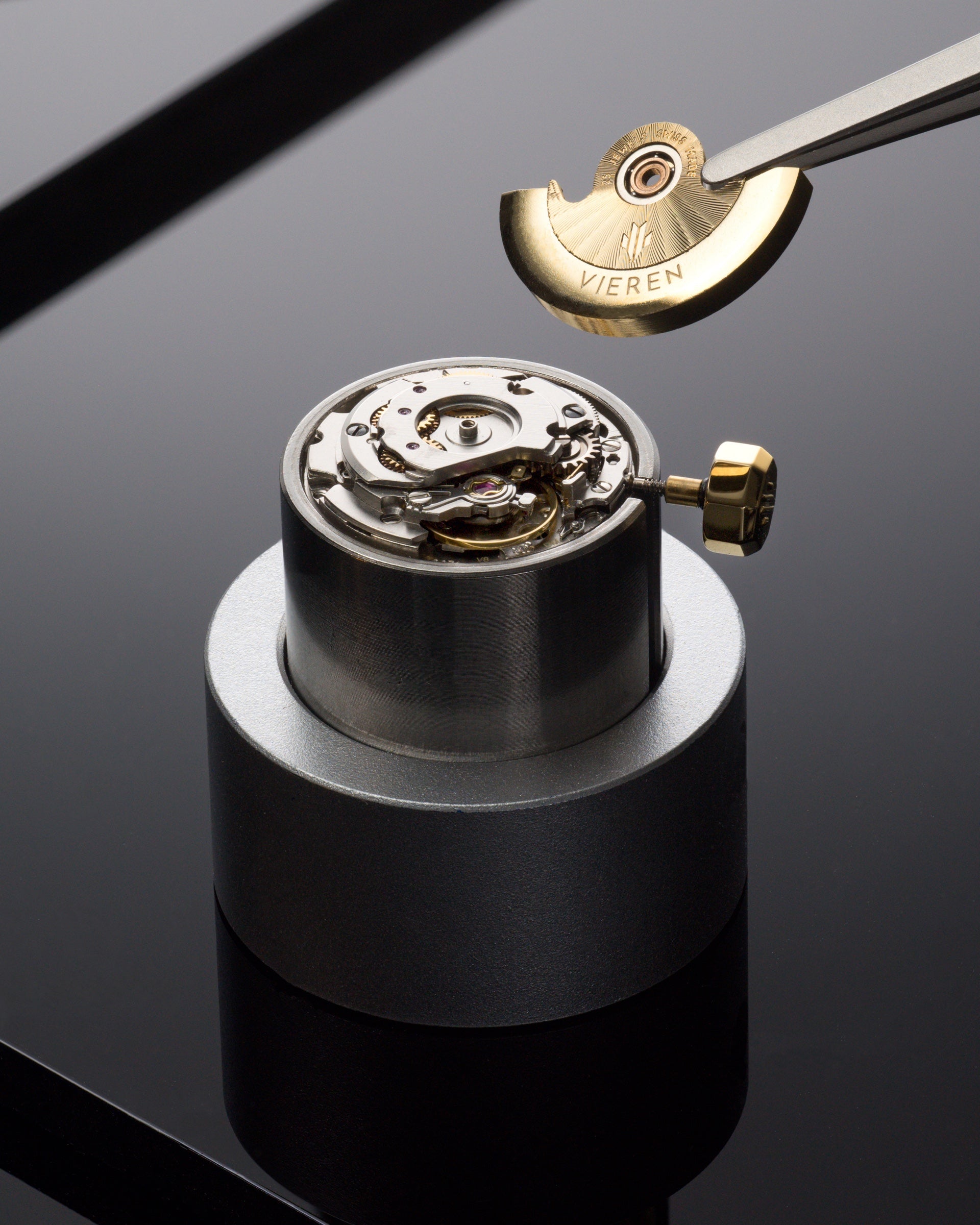
Automatic watch movements will stop when they run out of power. |
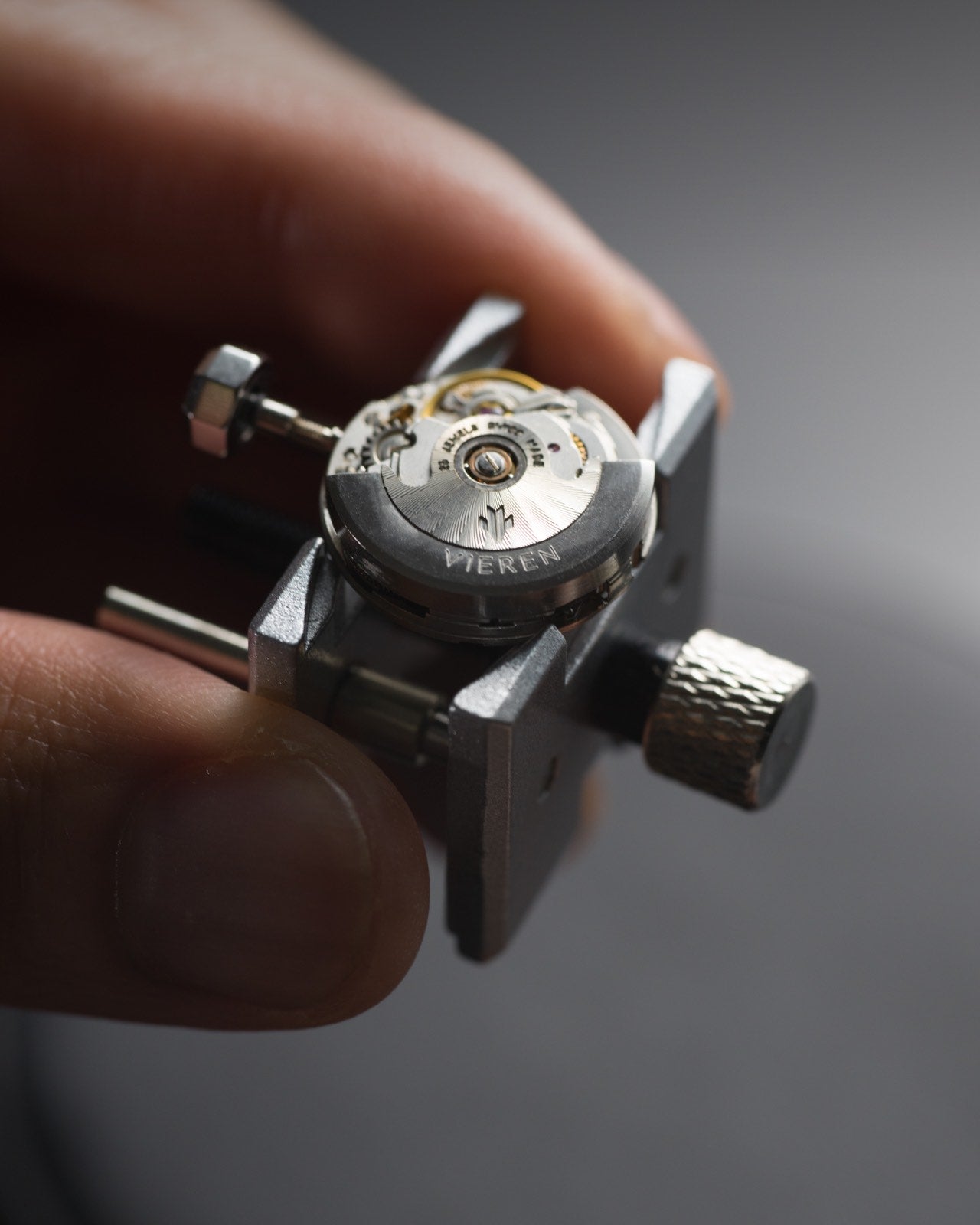
If your automatic watch has stopped, there is no need to panic. Most issues are easy to fix with a few simple steps. Self-winding movements rely on motion to stay powered, using a mechanical rotor that winds as your wrist moves. If movement slows or stops, so does the watch.
Here are some common reasons and fixes:
-
Not Enough Wrist Movement: Wearing your watch too loosely or not moving much, like when working at a desk or relaxing, may prevent the rotor from winding fully.
-
Low Power Reserve: Most automatic watches offer around 38 to 42 hours of power reserve, although some modern movements provide longer reserves. If you have not worn yours consistently, or if it was sitting idle, it might just be out of juice.
-
Watch Not Fully Wound: After a period of disuse, even a short wrist-wear session might not fully wind the mainspring. A manual wind jumpstarts the movement faster.
-
Magnetism or Shock: Strong magnetic fields, from speakers, phones, etc., or physical shock can interfere with the delicate internal components, causing poor timekeeping or full stoppage.
-
Lack of Regular Maintenance: Like any precision machine, a mechanical watch needs regular cleaning and oiling. Worn or dry parts can slow the movement or cause it to seize.
- w the movement or cause it to seize.
Pro Tip: If you rotate between watches, manually wind them with ~30 turns daily to keep the mechanism active.

2. Why Self-Winding Watches Stop at Night
Many automatic watches stop overnight, especially if not worn consistently during the day. These watches rely on wrist movement to stay powered, so periods of inactivity can cause them to run down. Regular daily wear or using a watch winder helps keep them running smoothly.
Here is why it happens:
-
Limited Movement During Sleep: Your wrist is mostly still while you sleep, which may not generate enough energy for the rotor.
-
Low Power Reserve Before Bed: If the watch was not charged enough during the day, the stored energy may run out before morning.
What To Do: Give your watch a manual wind before bed approximately 30 turns of the crown, particularly if you had a low-activity day or did not wear it long.

3. How to Prevent Power Reserve Drain
Keeping your automatic watch running smoothly requires preserving its power reserve by ensuring consistent energy input to the mainspring. Regular wear, gentle movement, and using a watch winder when not worn can help maintain your self-winding movement for optimal performance and accuracy.
Here are some best practices:
-
Wear Your Watch 8-10 Hours a Day: This ensures enough movement for full winding.
-
Manual Wind as Needed: Especially if you do not wear your watch daily or rotate among several timepieces.
-
Avoid “Desk Diving”: Sitting still all day? Your wrist may not move enough. Wind manually before or after work.
- Use a Watch Winder: Ideal for collectors; it keeps your automatic watch in motion when not on your wrist, preventing stoppage and protecting the mechanism.
Explore our 9 Tips for Buying Your First Automatic Watch to find your perfect timepiece.

4. How Accurate Should an Automatic Watch Be?
Even when functioning properly, automatic watches naturally experience slight time variations due to their mechanical nature. Environmental factors like temperature, wrist movement, and position can all affect accuracy. If your watch is gaining or losing more than a minute per day, it may need a manual wind or a professional check-up to ensure everything’s in working order.
A typical accuracy range is:
- A deviation of ±5 to ±20 seconds per day is standard for most premium Swiss movements.
- COSC-certified chronometers offer even tighter tolerances at -4/+6 seconds per day, thanks to stricter testing standards.
Pro Tip: Always set your watch using a precise reference (like your phone’s time) and track performance over a few days to get a true sense of its accuracy.
Learn more about automatic watch movements in our article: How Do Automatic Watches Work? The Complete Guide.

5. When It's Time for Professional Servicing
If your automatic watch frequently stops, loses significant time, or behaves irregularly despite proper winding, it may be time for professional servicing. Regular maintenance ensures accuracy, preserves the movement, and extends the lifespan of your Swiss luxury timepiece.
Look for these signs:
- Significant time loss or gain (+/- several minutes daily)
- Watch stops even with daily wear
- Stiff crown or rotor movement
- Watch hasn’t been serviced in 3–5 years
For a deeper look at what these symptoms mean, explore the Top 5 Signs Your Automatic Watch Needs Servicing.

6. What Happens During Professional Servicing
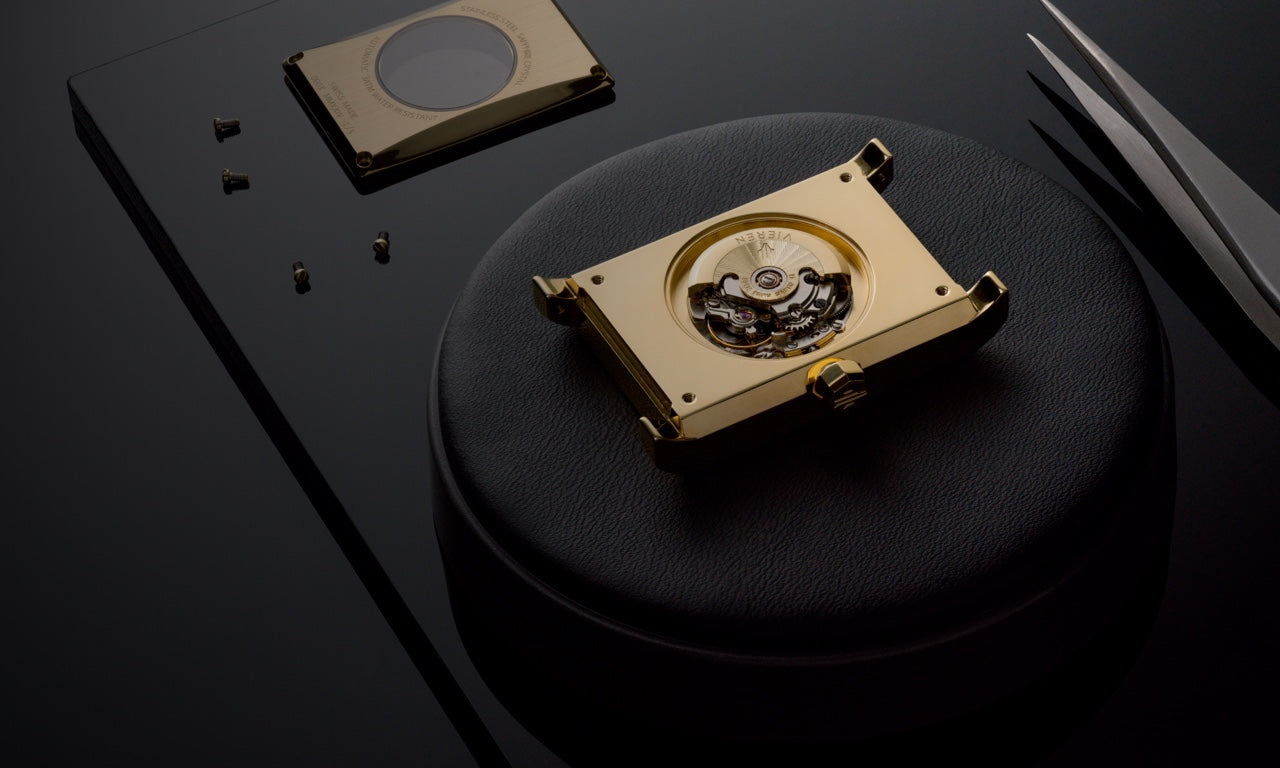
Professional servicing is essential to keep your automatic watch running smoothly and accurately. During a service, a watchmaker will fully disassemble the movement, clean and lubricate all components, adjust timing, and perform necessary repairs or part replacements. Pressure testing and waterproofing checks may also be included to ensure durability. Regular servicing helps prevent wear and prolongs the life of your timepiece.
Looking for a trusted professional servicing? Explore our guide on: How Often Should You Service an Automatic Watch?

|
Automatic Watch Accuracy FAQWhy does my automatic watch stop overnight?
|
SummaryIf your automatic watch stops or loses time, it’s rarely cause for alarm. In most cases, a simple manual wind or lifestyle adjustment is all it takes. Understanding your self-winding watch ensures long-term care and reliable performance for years to come. Explore VIEREN Swiss Made automatic watches to celebrate the artistry of every movement and find your next timepiece.
|
Jess Chow, VIEREN Founder and CEO
Jess Chow is the Founder and CEO of VIEREN, a Swiss Made automatic watch brand creating modern rectangular timepieces. As Canada’s first female founder of a luxury watch brand, she blends her family’s horology heritage with contemporary design and Swiss craftsmanship.

The VIEREN Automatic Watch Guide
By downloading, you agree to our Privacy Policy
explore more
Discover why Swiss Made watches define luxury horology and how VIEREN celebrates Swiss craftsmanship in every limited edition rectangular timepiece.
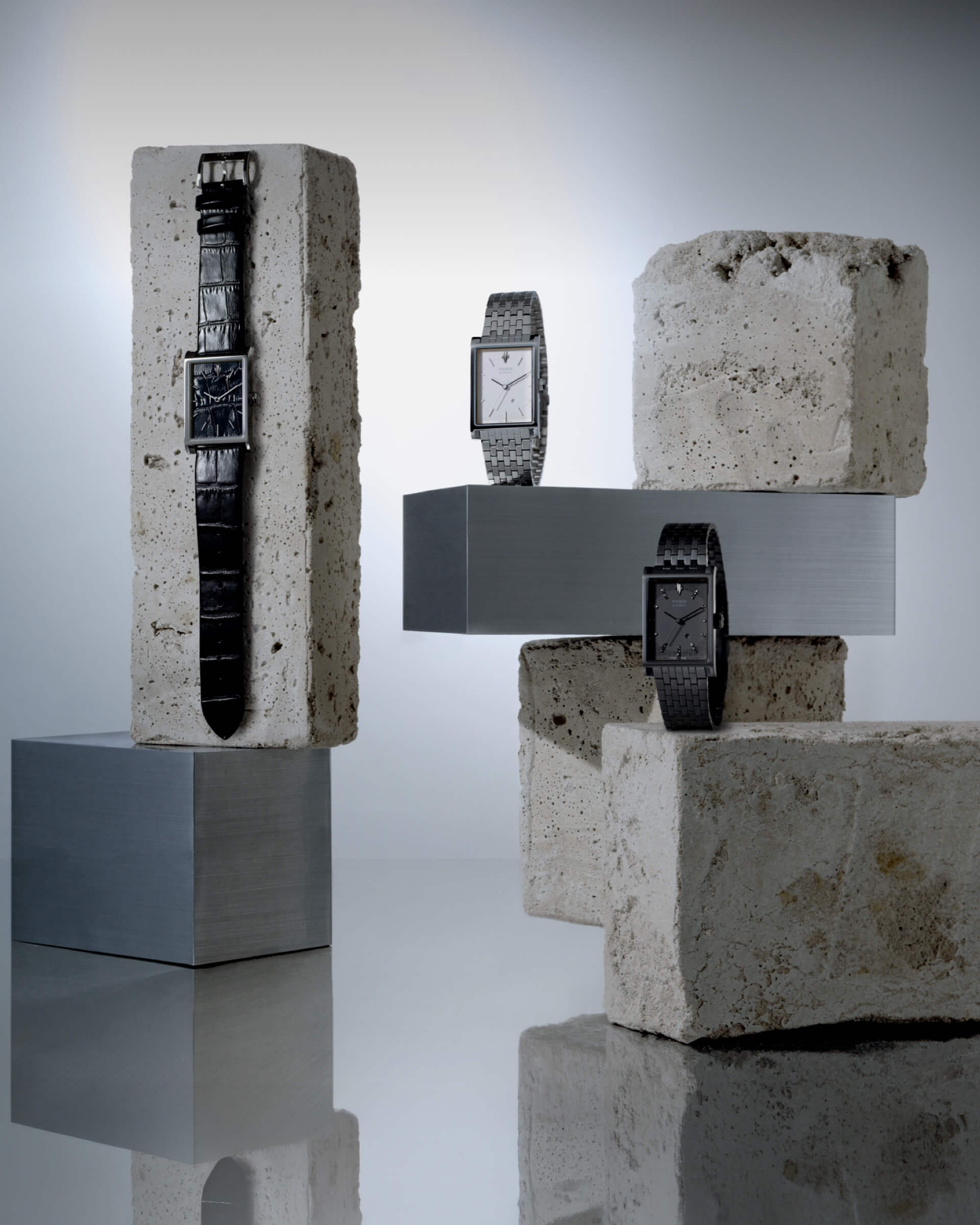
Find out how modern architecture inspires VIEREN’s luxury rectangular watches. Discover sculptural timepieces merging design with Swiss craftsmanship.

Explore how art, fashion, and culture shape luxury watch design. Discover VIEREN’s Swiss Made rectangular watches and modern approach to horology.
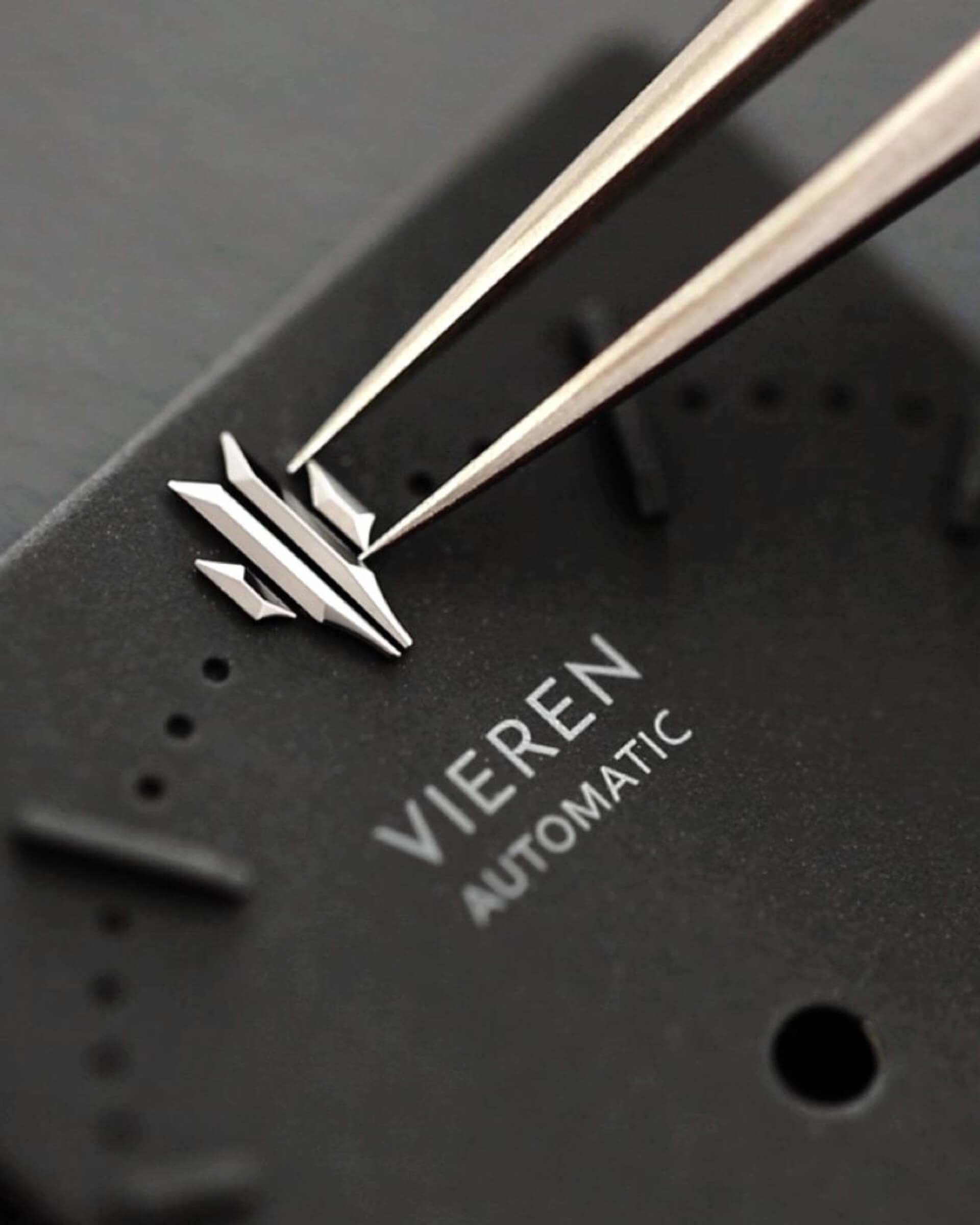
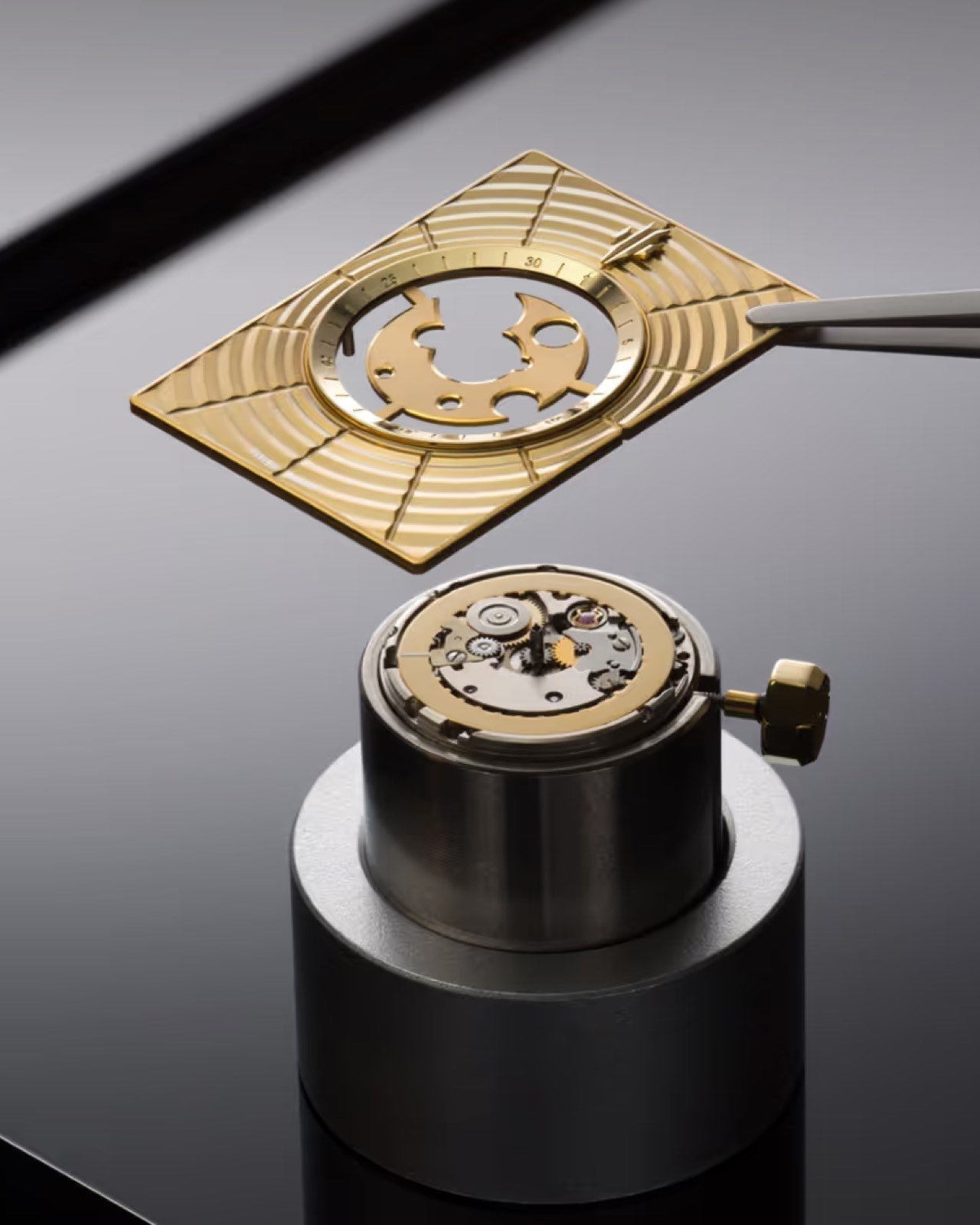
Explore The Making of VIEREN, a five-part series revealing Swiss Made watchmaking, modern design, and craftsmanship behind rectangular timepieces.