

How to Wind an Automatic Watch: A Step-by-Step Guide
Winding Your Automatic Watch
Whether you’re brand new to mechanical watches or refining your routine, learning how to wind an automatic watch safely is essential for keeping it accurate and extending its life. Automatic watches are powered by your movement, and when they stop, it’s up to you to get them running again. Let’s walk through the safest and most effective way to wind your watch, along with answers to the most common questions.
What You'll Learn
- How to Wind an Automatic Watch
- Can You Overwind an Automatic Watch
- Do I Need to Wind My Automatic Watch Every Day
- Is It OK to Wear a Self-Winding Watch Every Day
- Do Swiss Automatic Watches Need Batteries
- Do You Have to Shake an Automatic Watch
- How Long Do You Have to Wear an Automatic Watch
- Do You Have to Set an Automatic Watch Every Time
- Winding an Automatic Watch FAQ

1. How to Wind an Automatic Watch?
Wind your automatic watch with daily wear or manually using the crown. |
Manually winding your automatic watch protects the mechanism and ensures accurate timekeeping. Unlike quartz watches, self-winding watch movements rely on the mainspring for energy, so winding is the quickest way to get them running if they’ve stopped or are low.
Always wind your watch off your wrist to avoid putting pressure on the crown stem, and turn the crown slowly and smoothly. Rapid or aggressive winding isn’t just unnecessary, but it can wear down components and cause damage over time.
Follow this step-by-step guide to wind your automatic watch:
-
Remove The Watch from Your Wrist: This avoids putting pressure on the stem.
-
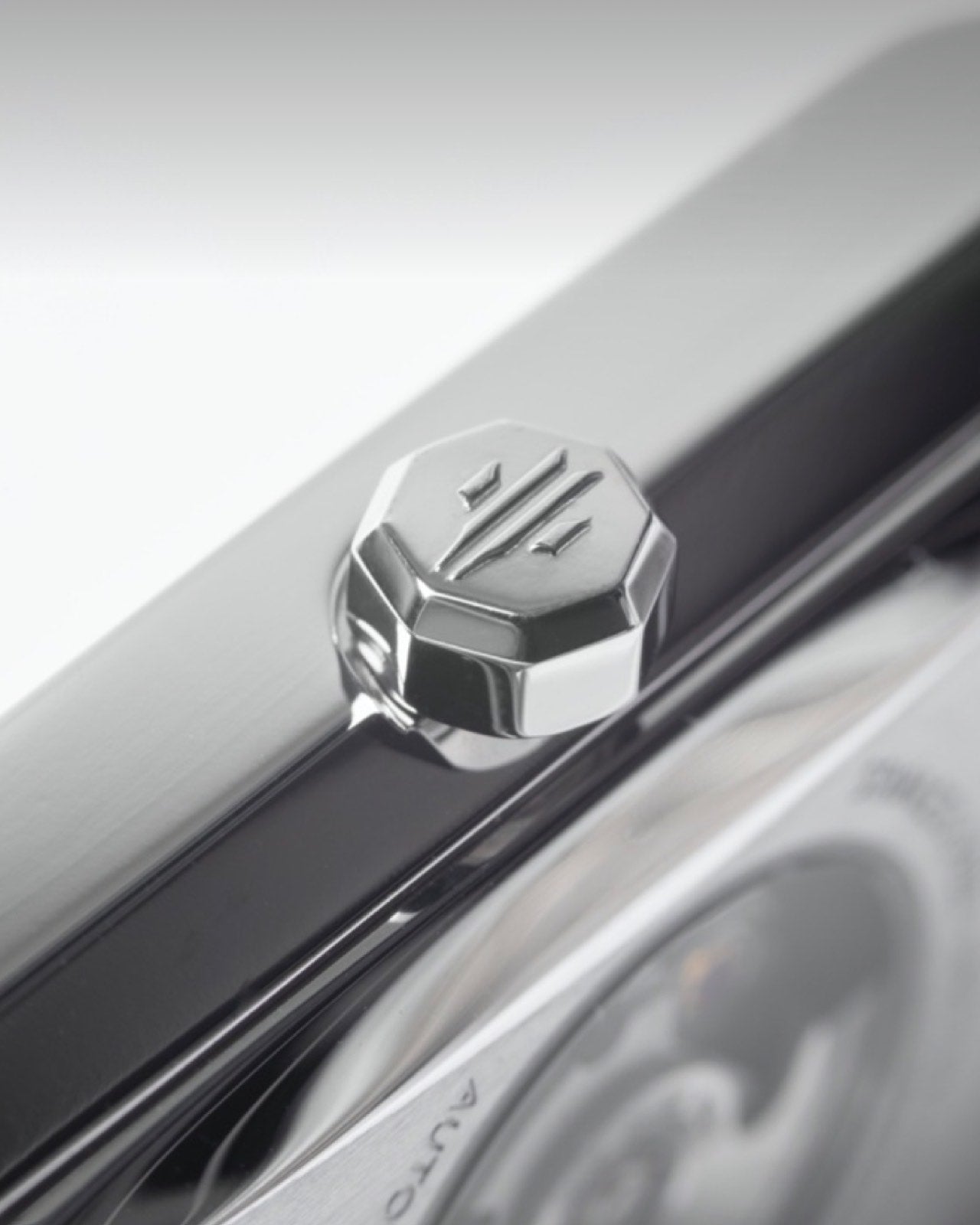
Locate The Crown: It is usually on the right side of the case. If it's a screw-down crown, gently unscrew it by turning it away from you.
-
Turn The Crown: Rotate it clockwise ~30 times. You’ll feel some resistance build, but that’s normal. If it’s a hacking movement, the second hand may stop while winding, but it will resume after you're done.
- Push The Crown Back: Always return the crown to its original position and screw it down if needed.
For a deep dive, read our article on: How To Use an Automatic Watch.

2. Can You Overwind an Automatic Watch?
Short answer: no — but there’s a caveat. Many modern automatic watches include a slipping clutch that prevents overwinding. When the mainspring is fully wound, the mechanism disengages, protecting the self-winding movement from damage while keeping your luxury timepiece running safely.
A few things to keep in mind:
-
Difficulty Turning: If you feel a sudden change in resistance or grinding, stop winding immediately.
-
Beware Of Older Models: Older or vintage watches may not have this clutch, so check your model’s specs if unsure.
- Rule Of Thumb: ~30 full turns is enough for most automatic watches.

3. Do I Need to Wind My Automatic Watch Every Day?
You don’t need to wind your automatic watch every day—unless it has stopped or is running low on power and you aren’t wearing it consistently. Automatic watches keep themselves powered through the natural movement of your wrist, so daily manual winding is usually unnecessary.
However, daily winding can be beneficial in certain situations:
-
Multiple Watches In Your Collection: Watches left unworn for several days can run out of power, so giving them a manual wind helps keep them ready to wear.
-
Desk Job Or Limited Wrist Movement: If your daily activity doesn’t provide enough motion to fully wind the watch, manual winding ensures it maintains accurate time.
- Keep Precise Timekeeping: Especially for watches with complications (such as moon phase or perpetual calendar), where consistent power is essential for proper function.
Explore our 9 Tips for Buying Your First Automatic Watch to find your perfect timepiece.

4. Is It OK to Wear a Self-Winding Watch Every Day?
Absolutely! Wearing your automatic watch every day is not only perfectly fine but often recommended to keep it running smoothly. Since automatic watches are powered by the natural motion of your wrist, daily wear ensures the mainspring remains wound and the watch maintains accurate timekeeping without needing manual winding.

5. Do Swiss Automatic Watches Need Batteries?
Automatic watches are powered by a mechanical rotor that spins with the motion of your wrist, transferring energy to a mainspring. This means they don’t require batteries or recharging. Instead, they rely on classic, self-sustaining engineering. If your automatic watch stops, all it needs is a wind to get it going again — no battery swap necessary.
Want to learn more? Discover our complete guide on: How Do Automatic Watches Work.
6. Do You Have to Shake an Automatic Watch?
Do not vigorously shake your automatic watch. |
Light wrist movements or gently rocking a stopped automatic watch can help get it running again, but it’s crucial to avoid aggressive shaking. While mild motion maintains operation, excessive force can harm the delicate movement, potentially causing serious damage to the mechanism.
Risks of Shaking Your Watch:
✘ Damage internal components
✘ Affect timekeeping
✘ Loosen screws or parts
Safe Alternatives:
✓ Manual winding with the crown
✓ Wearing it consistently for several hours
✓ Using a watch winder (if appropriate)

7. How Long Do You Have to Wear an Automatic Watch?
On average, wearing an automatic watch for 6 to 8 hours of active movement can fully wind the mainspring. However, factors like your level of activity (e.g., desk work vs. walking), the efficiency of the rotor system, and the watch’s power reserve capacity can affect how quickly it winds.
More active movement typically results in a faster wind, while less movement may require additional manual winding to keep the watch running smoothly. If you’re inactive for most of the day, consider giving it a few manual winds in the morning.

8. Do You Have to Set an Automatic Watch Every Time?
Not necessarily. If your automatic watch has enough power reserve (typically 38 to 42 hours, sometimes longer), it will keep running even if you don’t wear it for a day or two. If the watch has stopped because it was unworn for longer than the power reserve, then yes — you will need to set the time before wearing it again.
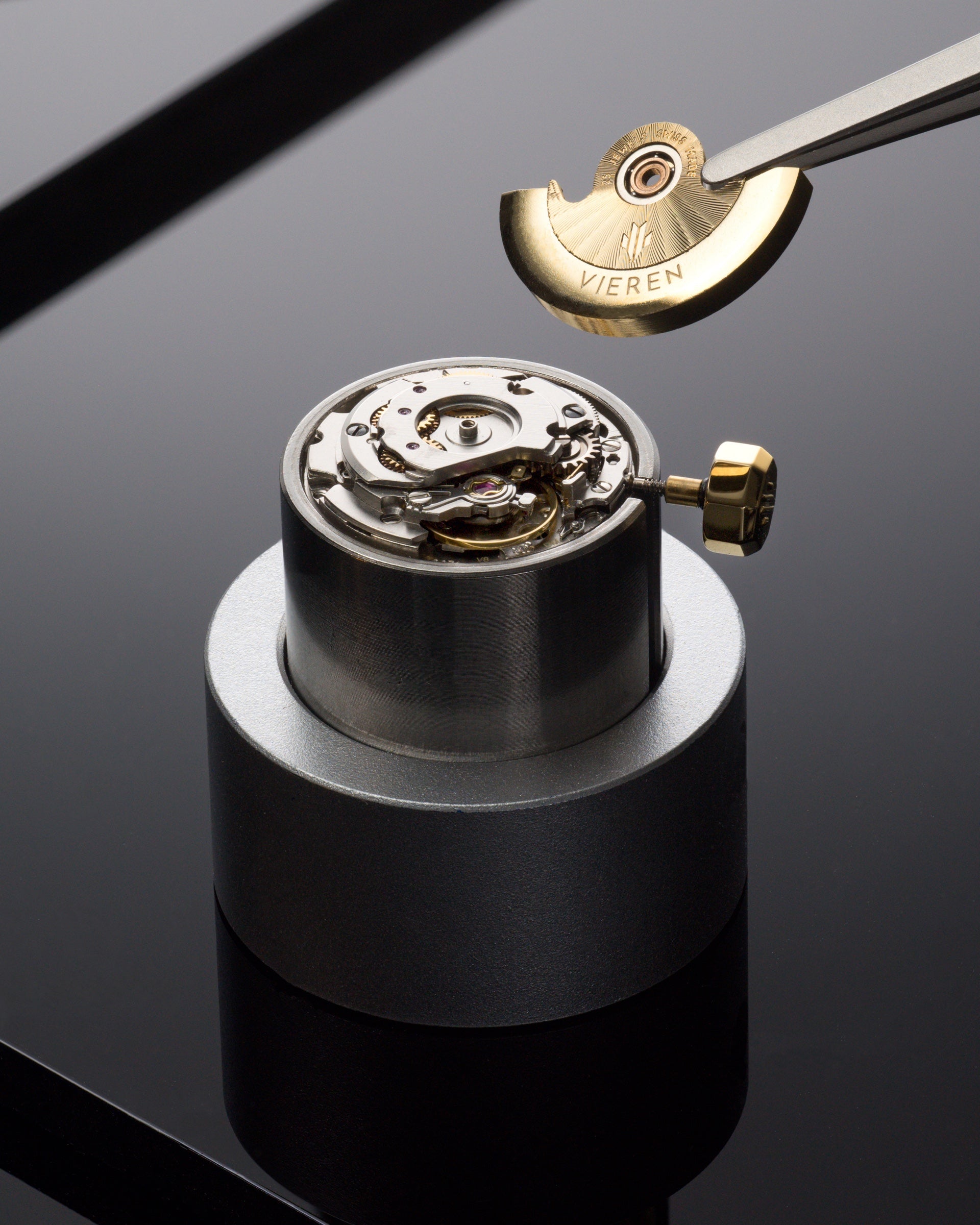
Most modern automatic watches have a power reserve that allows continuous operation for up to two days or more. For example, the bespoke ETA 2671 automatic movement in VIEREN Luxury Watches offers a 44-hour power reserve, letting it run accurately without winding or setting for nearly two days

|
Winding an Automatic Watch FAQHow do I wind my automatic watch safely?
|
SummaryWinding an automatic watch is a simple ritual that helps keep your timepiece running accurately and reliably. Whether you rely on daily wrist movement or enjoy the tradition of manual winding, understanding the right technique helps protect your watch and maximize its performance. Discover VIEREN Swiss Made automatic watches, where Swiss craftsmanship, precision engineering, and modern architectural design come together.
|
Jess Chow, VIEREN Founder and CEO
Jess Chow is the Founder and CEO of VIEREN, a Swiss Made automatic watch brand creating modern rectangular timepieces. As Canada’s first female founder of a luxury watch brand, she blends her family’s horology heritage with contemporary design and Swiss craftsmanship.

The VIEREN Automatic Watch Guide
By downloading, you agree to our Privacy Policy
explore more
Discover why Swiss Made watches define luxury horology and how VIEREN celebrates Swiss craftsmanship in every limited edition rectangular timepiece.
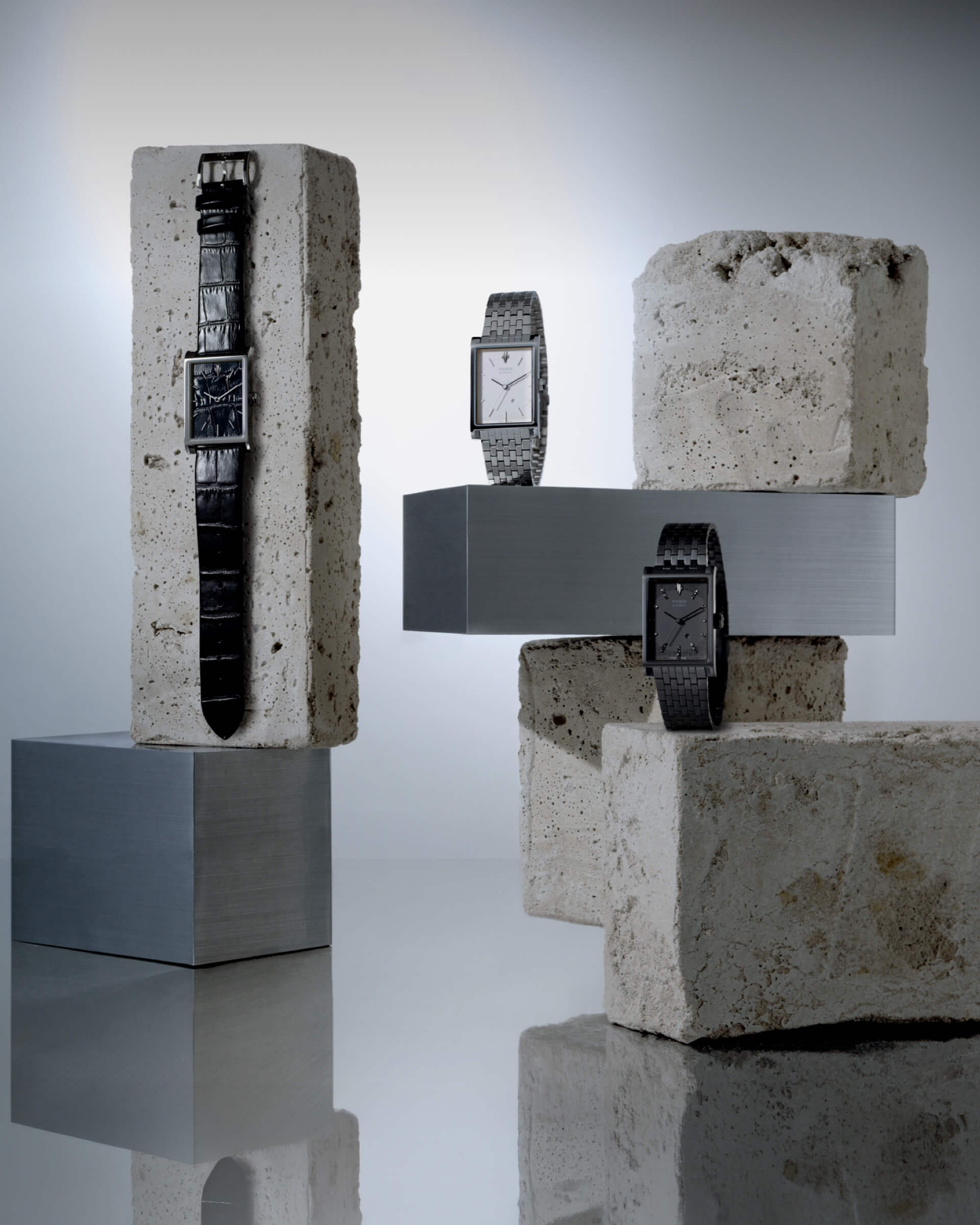
Find out how modern architecture inspires VIEREN’s luxury rectangular watches. Discover sculptural timepieces merging design with Swiss craftsmanship.

Explore how art, fashion, and culture shape luxury watch design. Discover VIEREN’s Swiss Made rectangular watches and modern approach to horology.
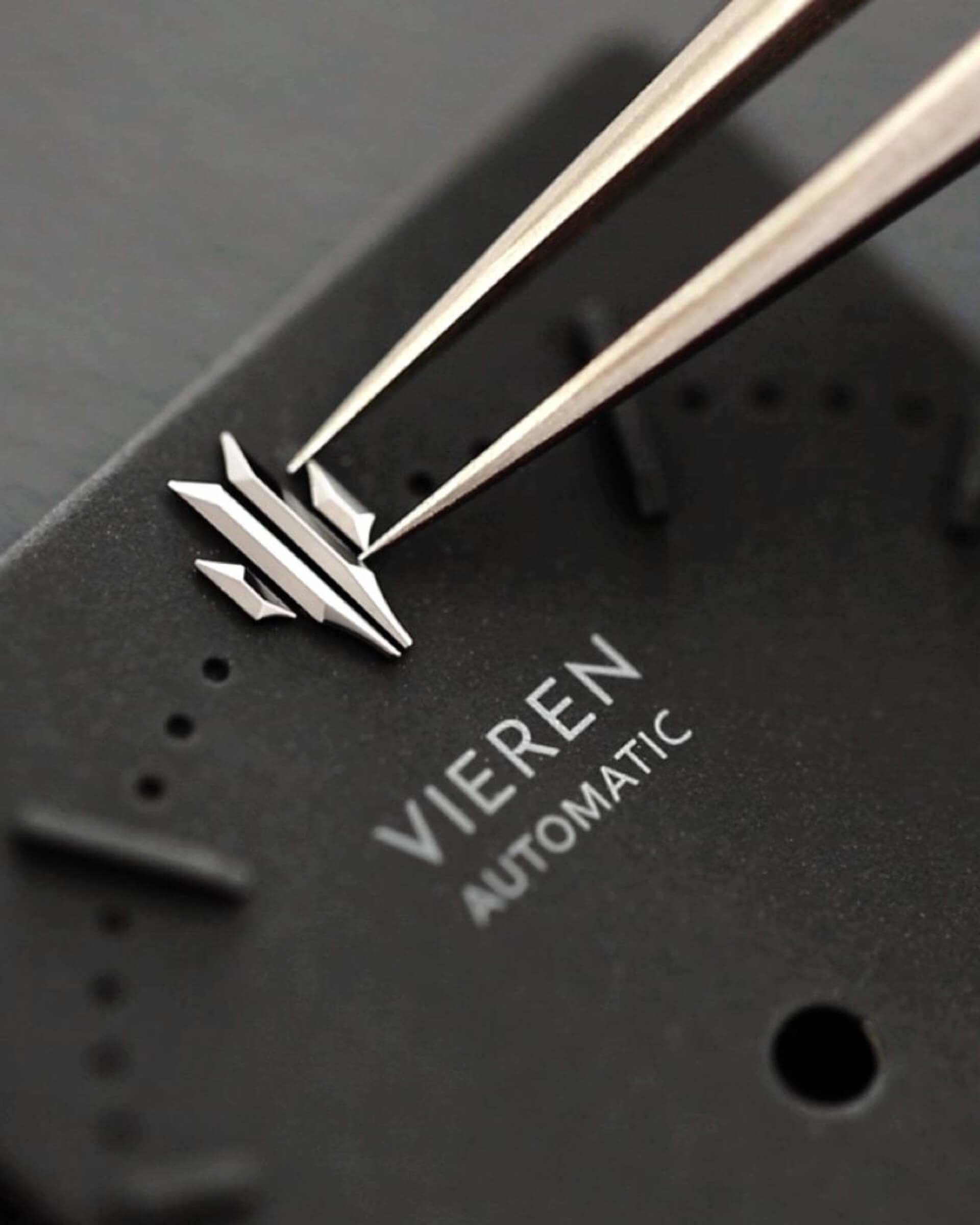
Explore The Making of VIEREN, a five-part series revealing Swiss Made watchmaking, modern design, and craftsmanship behind rectangular timepieces.